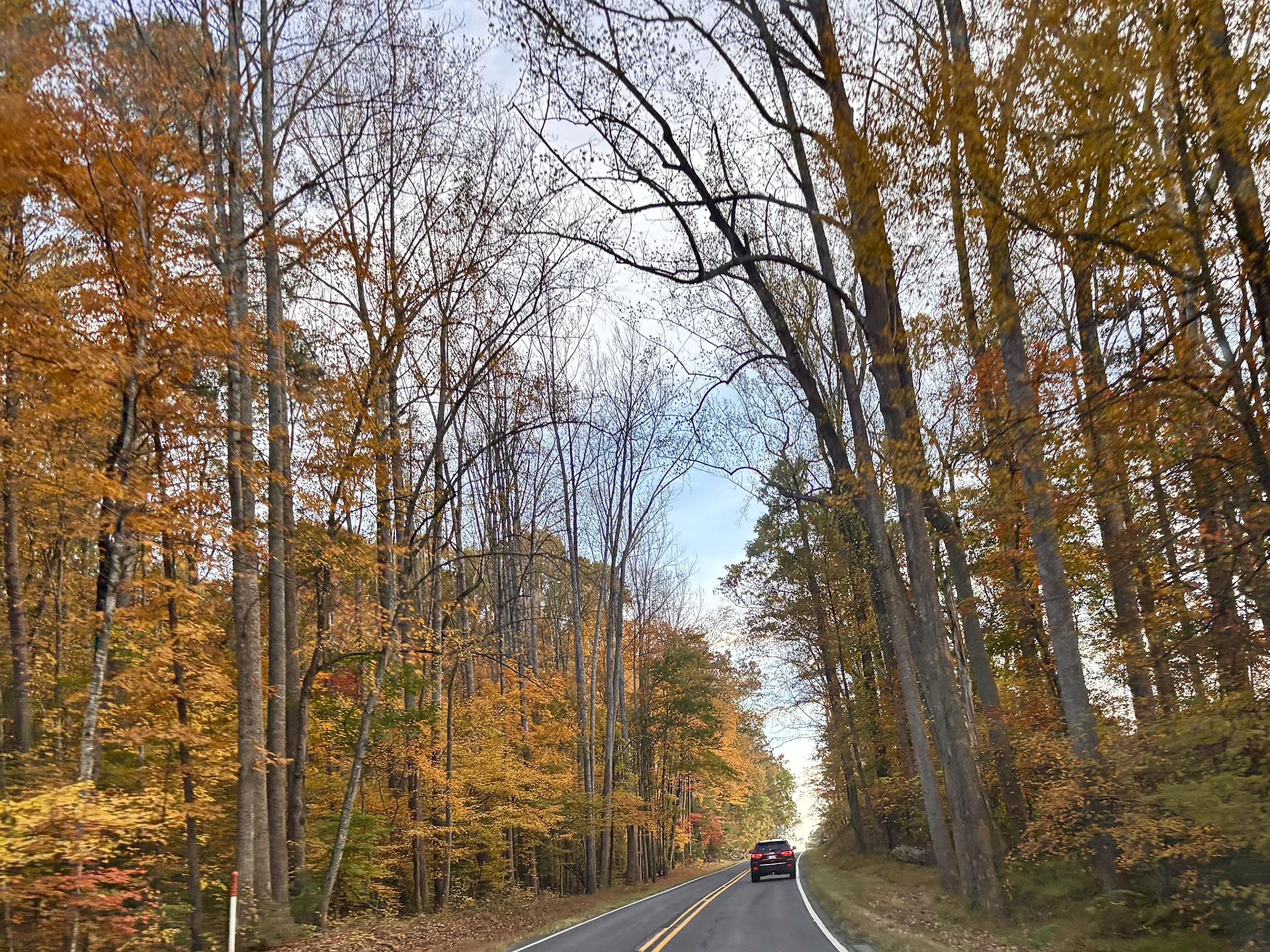
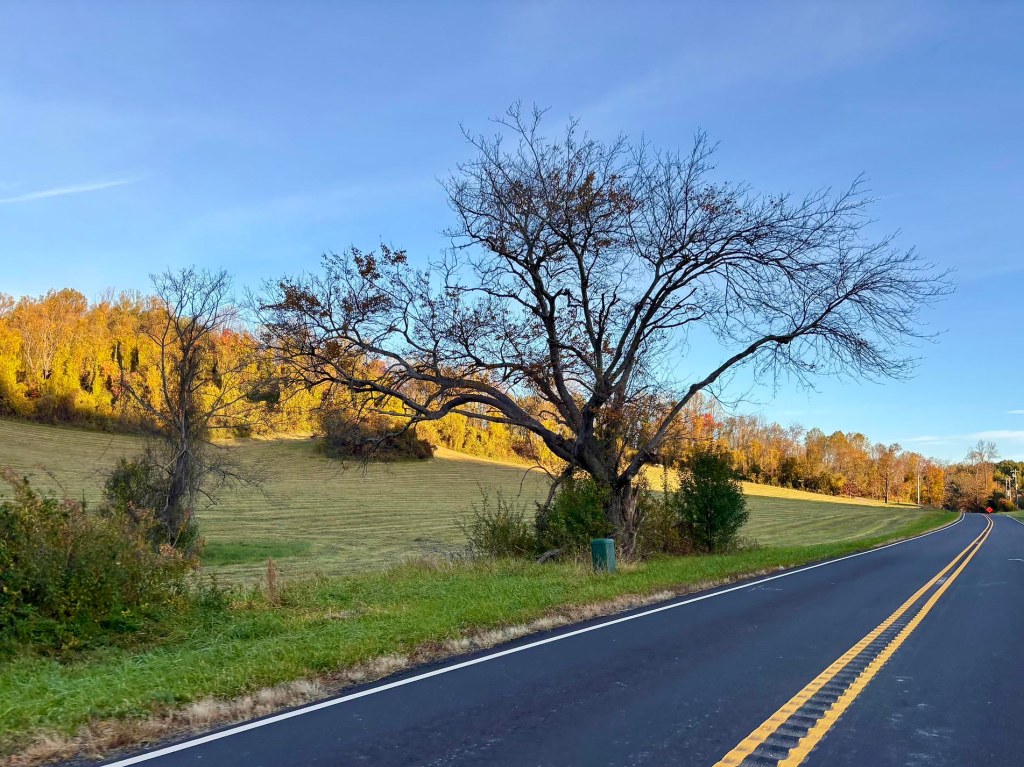
There are days when the best thing you can do is get in the car, find a country road, and see where it takes you. This past weekend, I found myself traveling Virginia’s Route 231, the old Blue Ridge Turnpike. It was one of those beautiful autumn mornings when the golden leaves seemed to catch every bit of sunlight, the hills rolled gently toward the mountains, and the countryside looked like something out of a painting.
Some roads are worth traveling simply for where they take you. Others are worth traveling for what they allow you to see along the way. Route 231 is certainly one of the latter. The Blue Ridge Turnpike is a road whose origins go back more than 170 years, through communities that grew up around farming, railroads, timber, and commerce. Before railroads became dominant, moving agricultural products across the mountains was difficult and expensive. The turnpike was an effort to connect the farms and markets of the Shenandoah Valley with the eastern part of Virginia.
The road was completed in 1853 and covered 53 miles. While today’s road is not precisely the original turnpike, it follow portions of the old corridor. And the name? it dates to the road company and its construction in the early 1850s. It winds through five counties here in Virginia with the beginning at Cismont in Albemarle County. The north end terminates at Sperryville in Rappahannock County. I’ve driven the route between Somerset (approximately the midpoint) and Cismount many times on my way down to I64. But I hadn’t recalled ever driving the upper portion, from Madison to Sperryville, until this past Saturday, the last weekend in October.
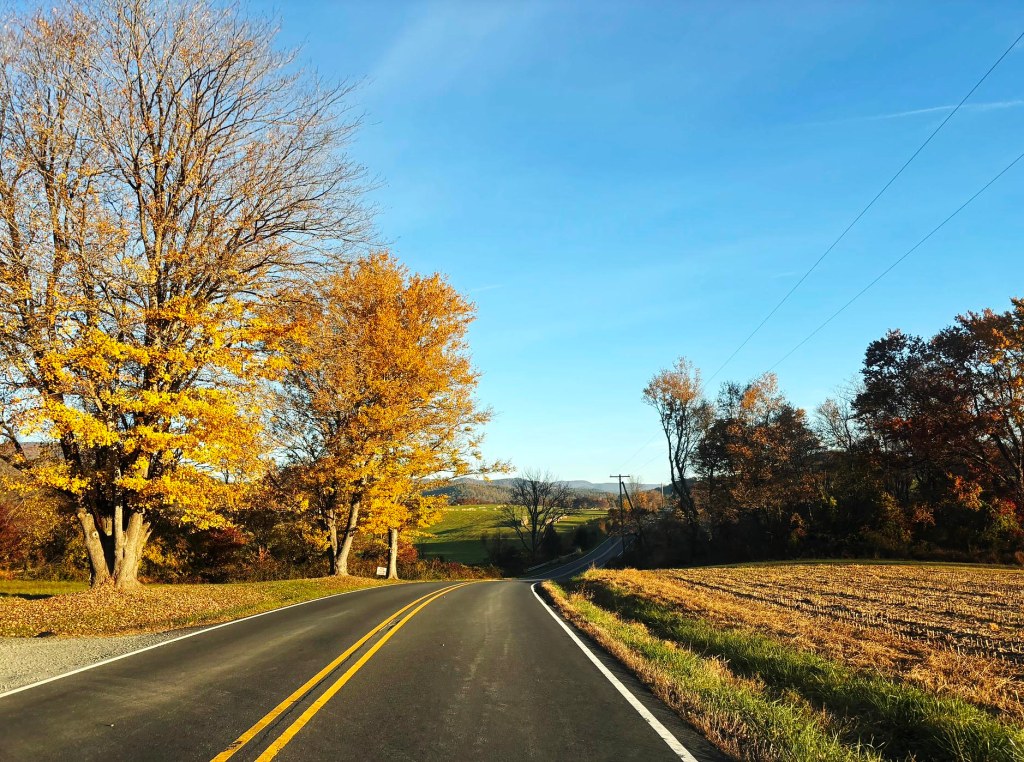
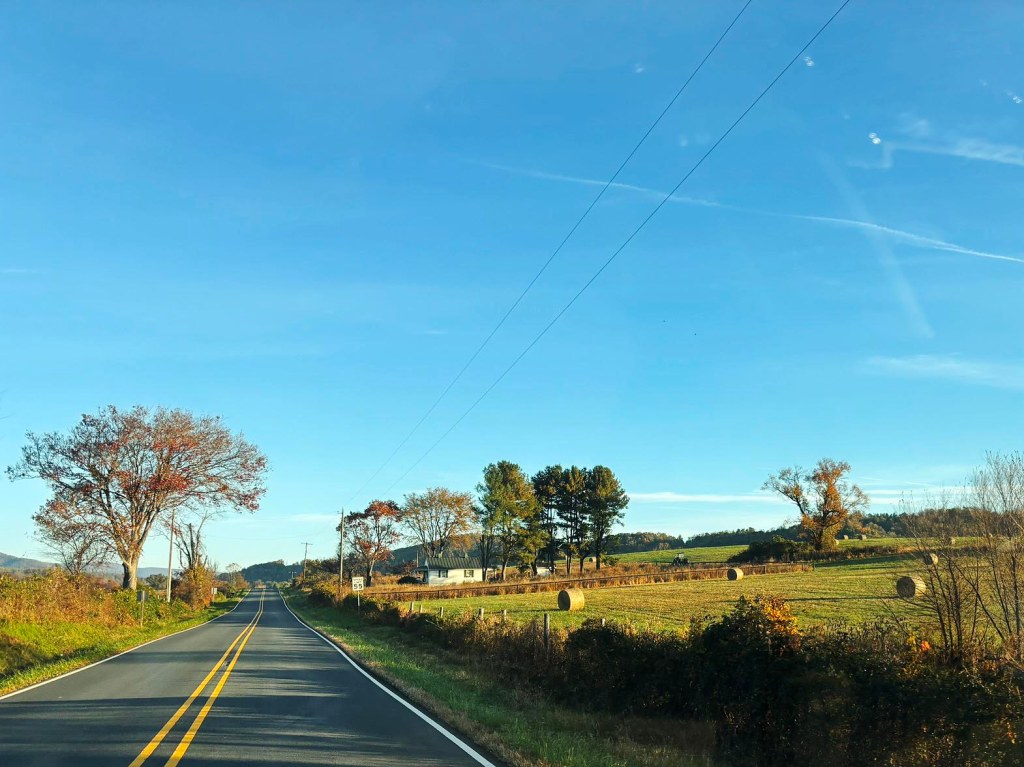
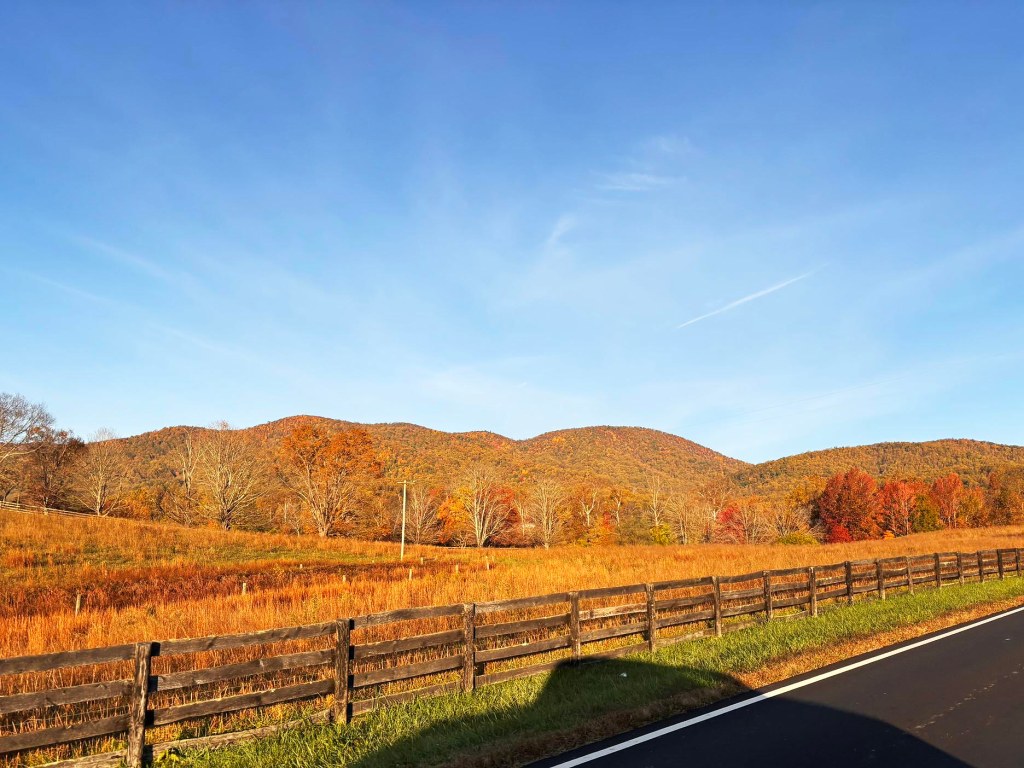
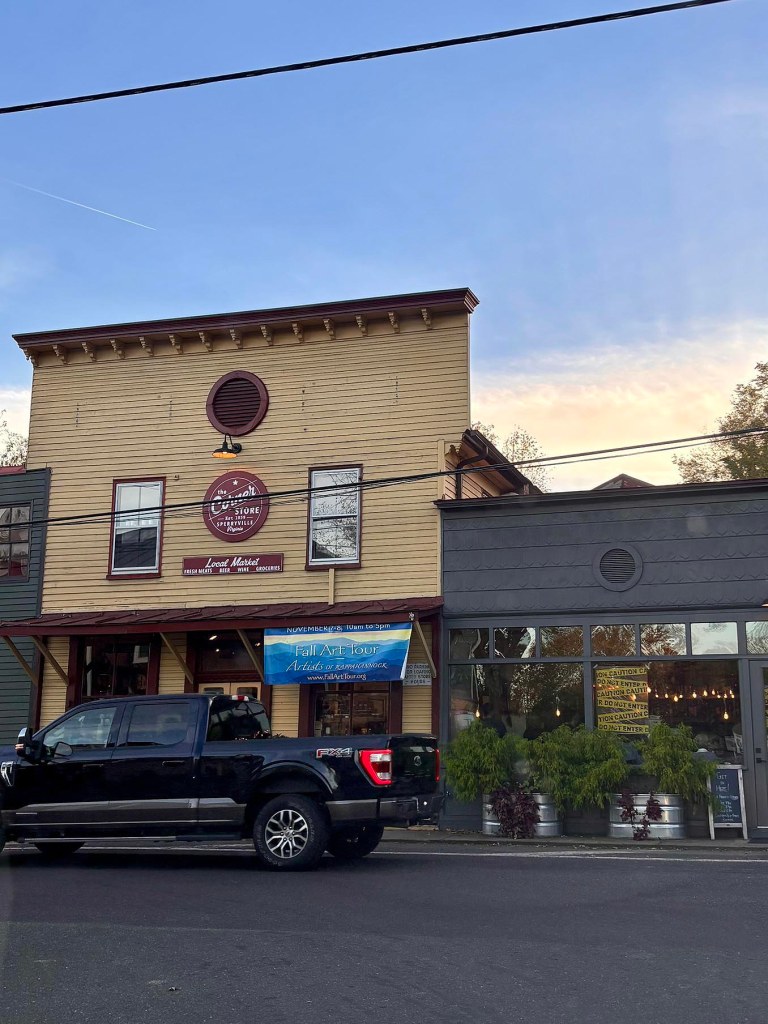
Sidenote about Somerset: Somerset was once an important crossroads and railhead for the timber industry. Logging operations in the mountains to the west brought activity to this otherwise quiet rural community. Somerset Christian Church, dating to approximately 1857, is another historic landmark. And Sperryville is another historic village at the foot of the Blue Ridge, known for its small shops, galleries, restaurants, and proximity to Shenandoah National Park.
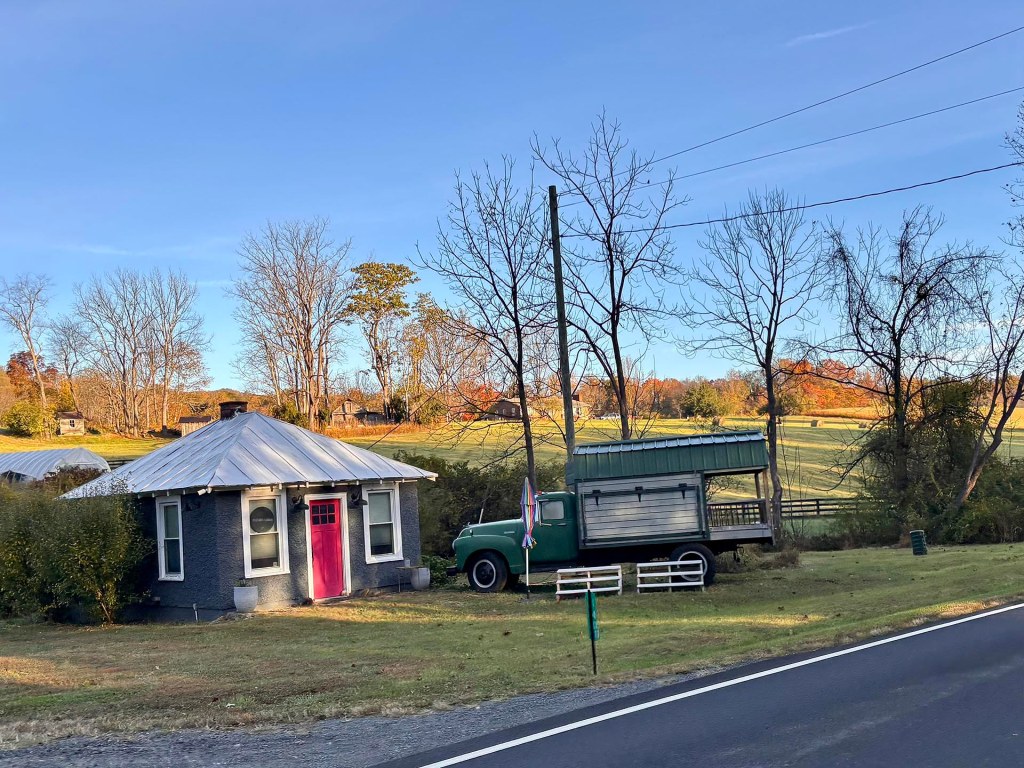
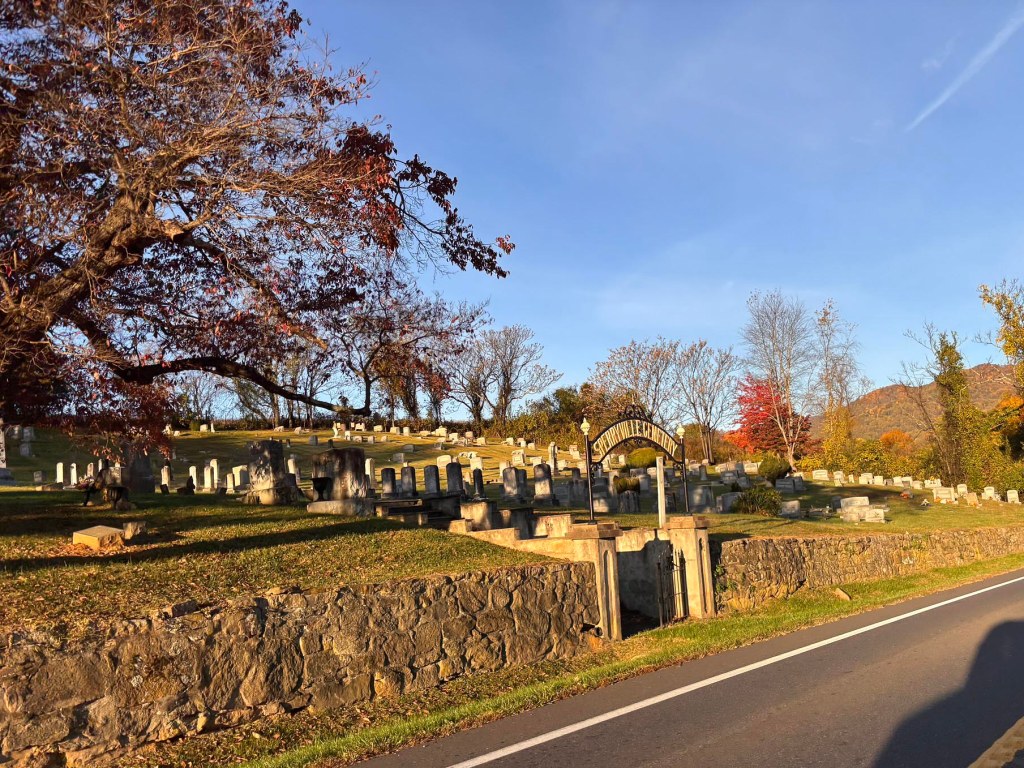
A particularly memorable portion of the journey traveled through F.T. Falley, named for Francis Thornton, an early settler and large landowner. It is a beautiful stretch of Virginia, with views toward the Blue Ridge and Shenandoah National Park. The road winds through farmland and small communities with the mountains providing a backdrop and I took several photos as we traveled through it.
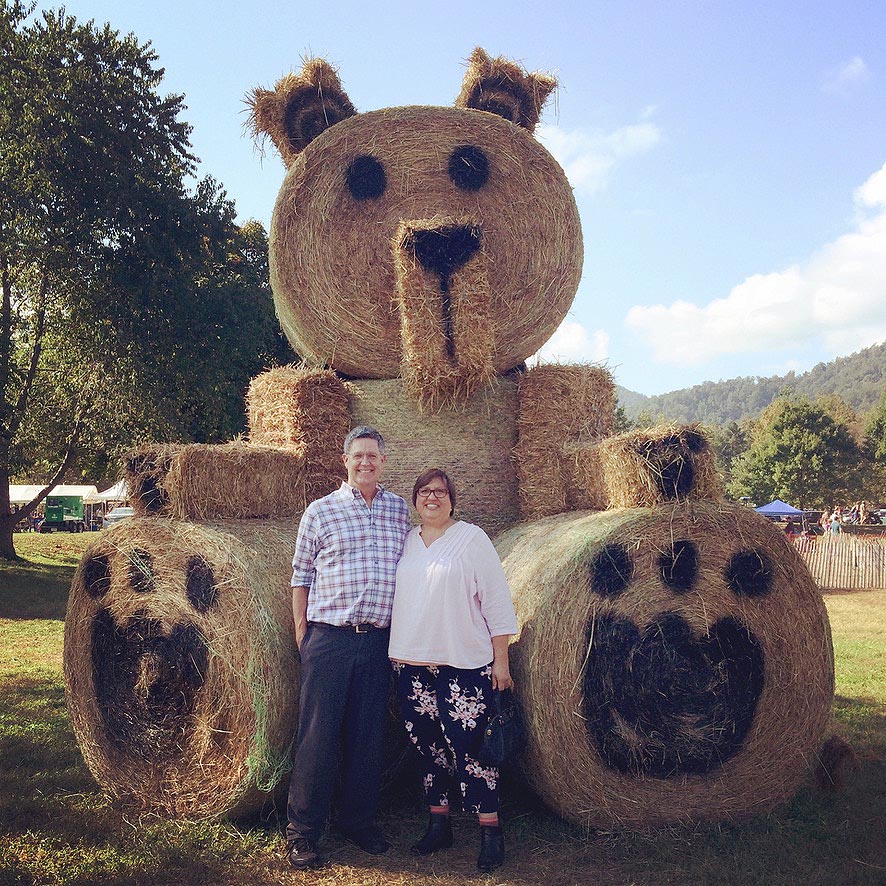
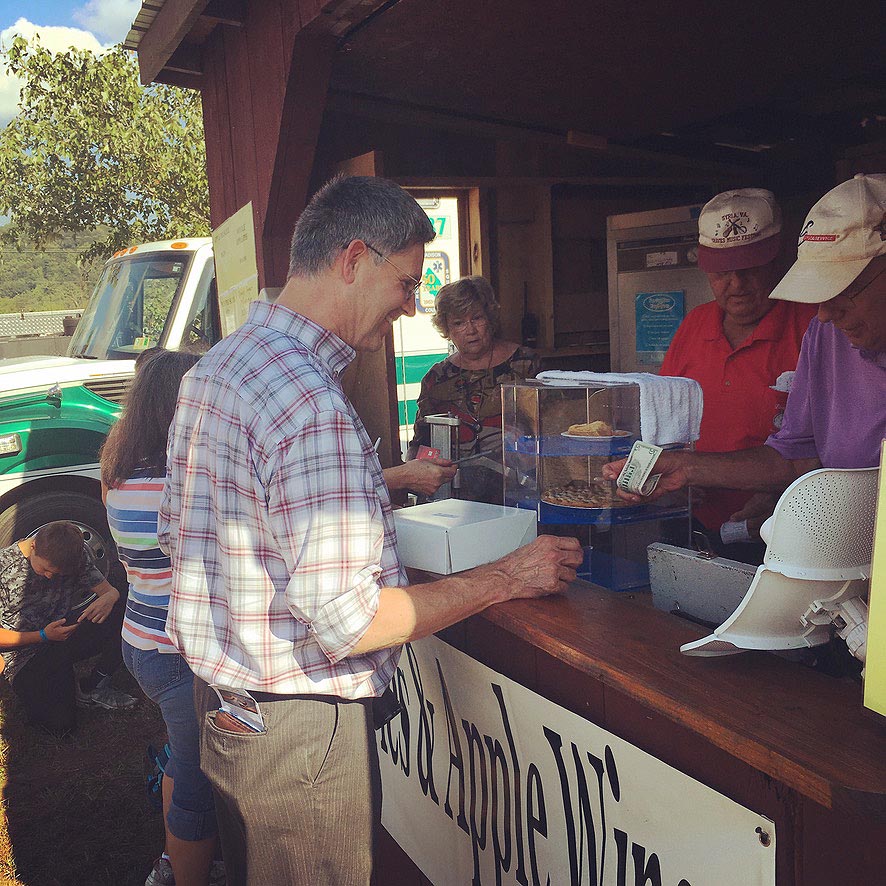
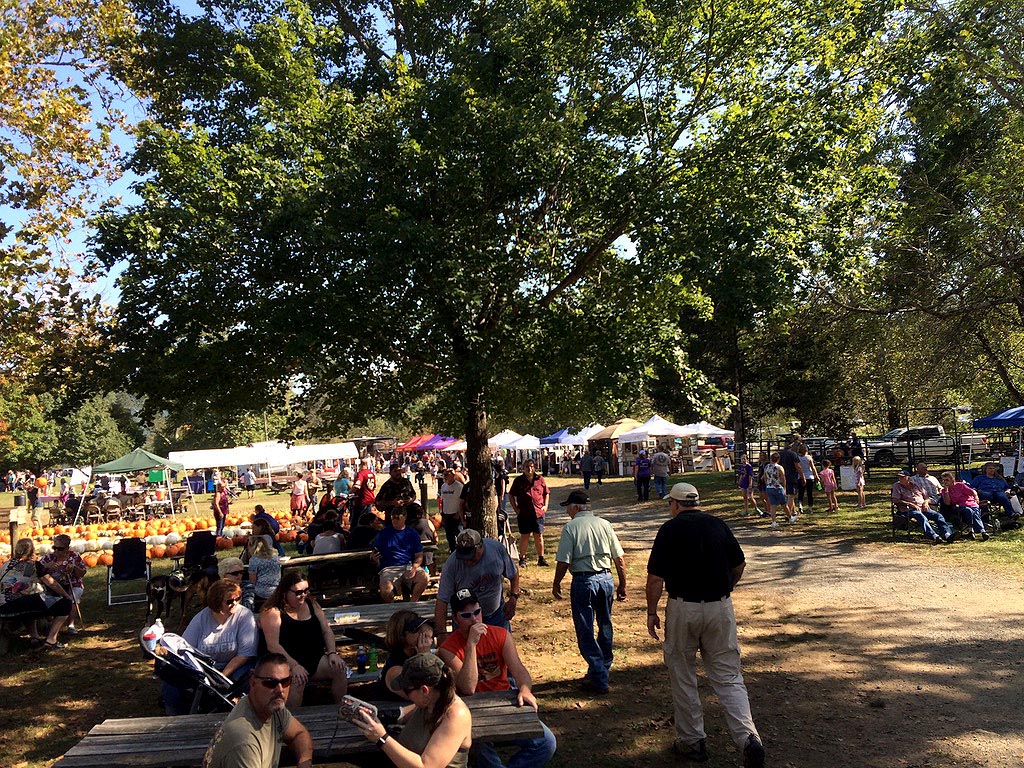
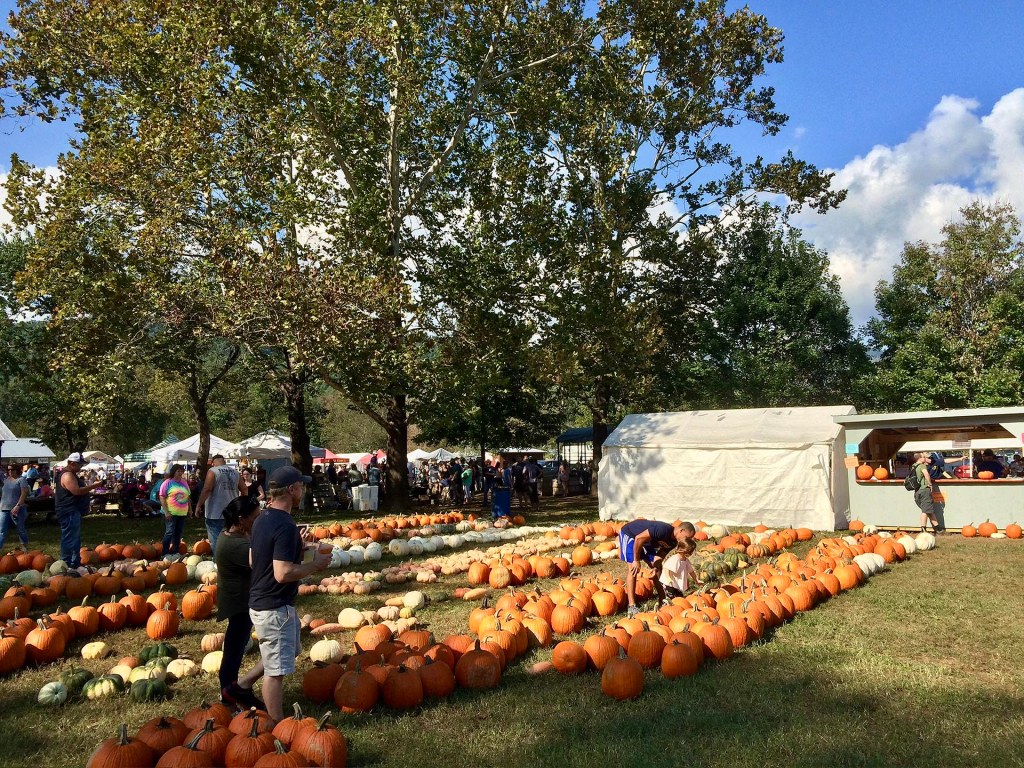
As I drove north that morning, bright golden sun painting every leaf of every tree along the road in glowing shades of reds, oranges, and brilliant yellows, it wasn’t until I came to Banco and Rt 670 (Old Blue Ridge Turnpike) the turnoff to Syria and Graves Mountain Farm and Lodges that I realized I had been along here before, and not all that long ago! Back in 2018 we had gone to the Annual Graves Mountain Apple Harvest Festival for the afternoon and had really enjoyed the drive down from Northern Virginia. But even before that, I had spent a weekend at the lodge with a group of friends on retreat back in the late 1980’s nearly 40 years ago.
So that was my drive on Saturday morning, Halloween 2026. I made the same drive, from Winchester back down to Somerset the following day. While the early evening colors weren’t quite as spectacular as those from the morning sun, they were just as beautiful as I had remembered from the day before. Seems my short-term memory is still working! Hopefully the Fall colors are equally as spectacular as ours where you live. If not, come see them next year; late October is generally our best “peeping” window.

