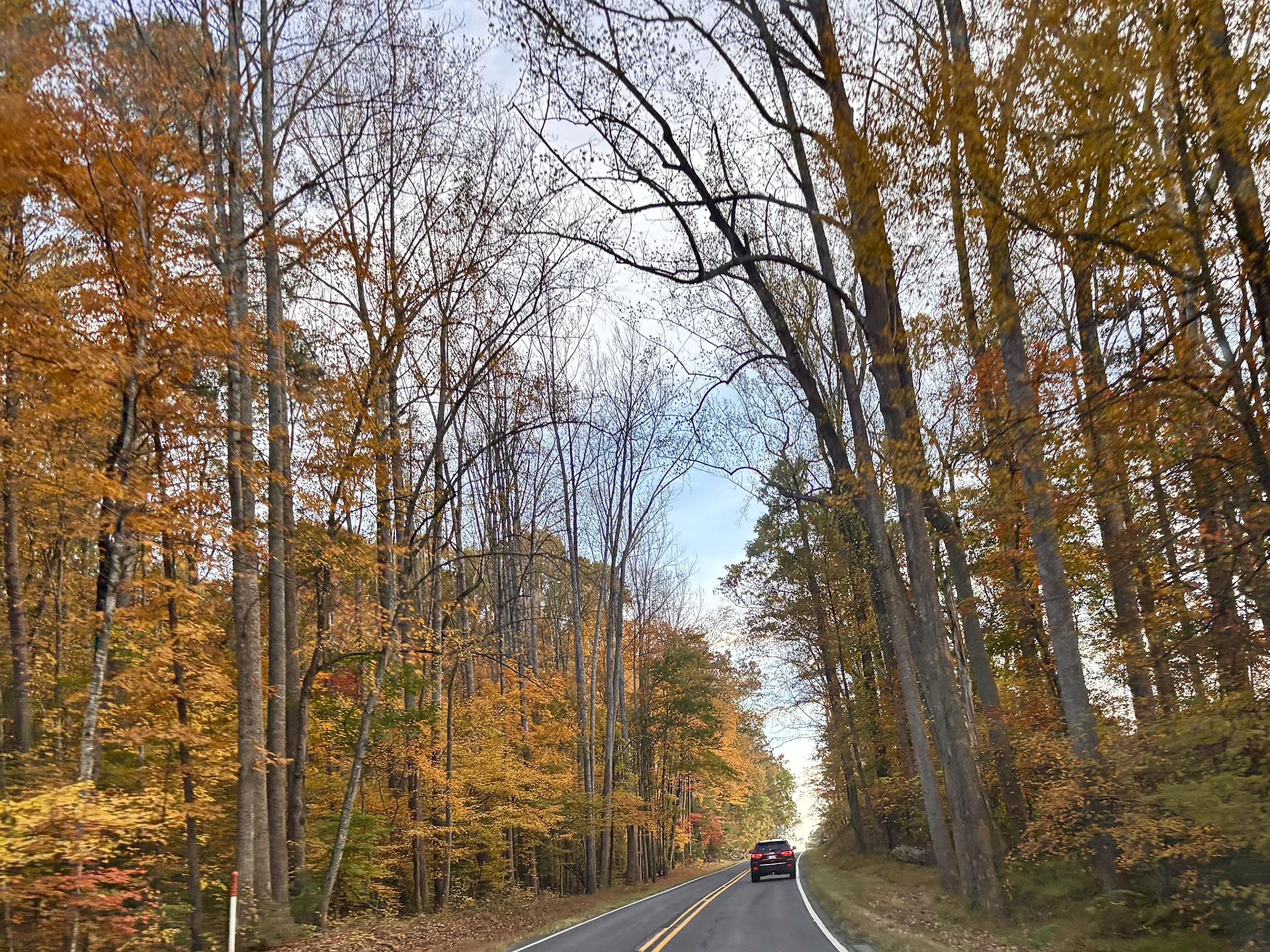
Fall Roads

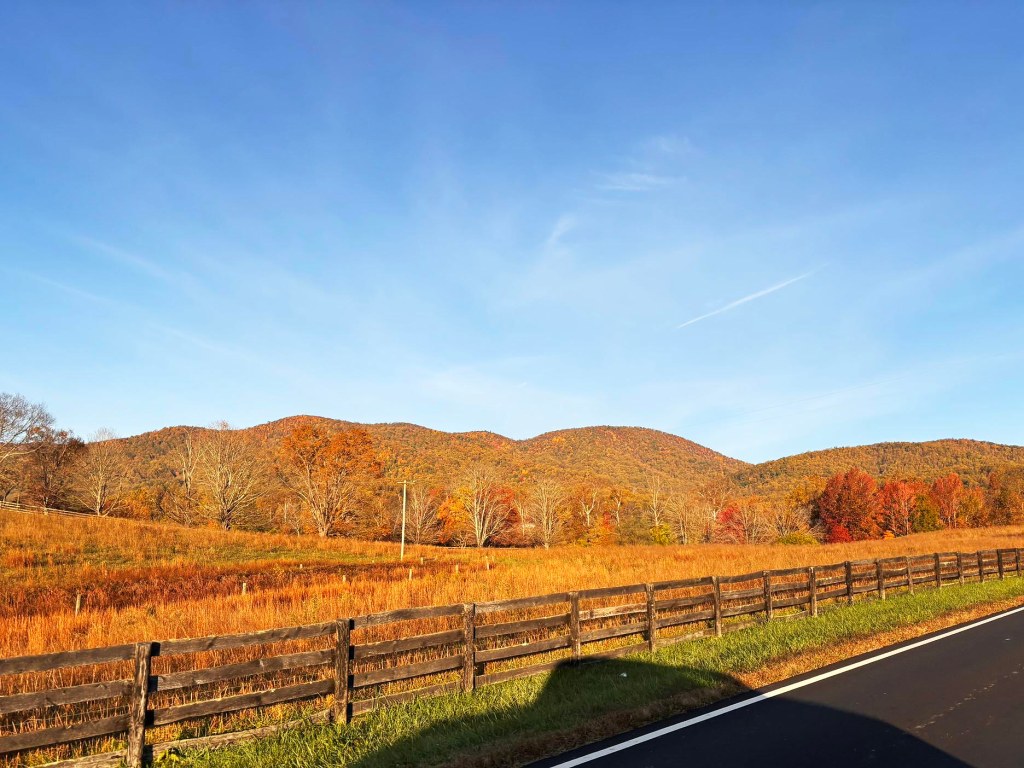
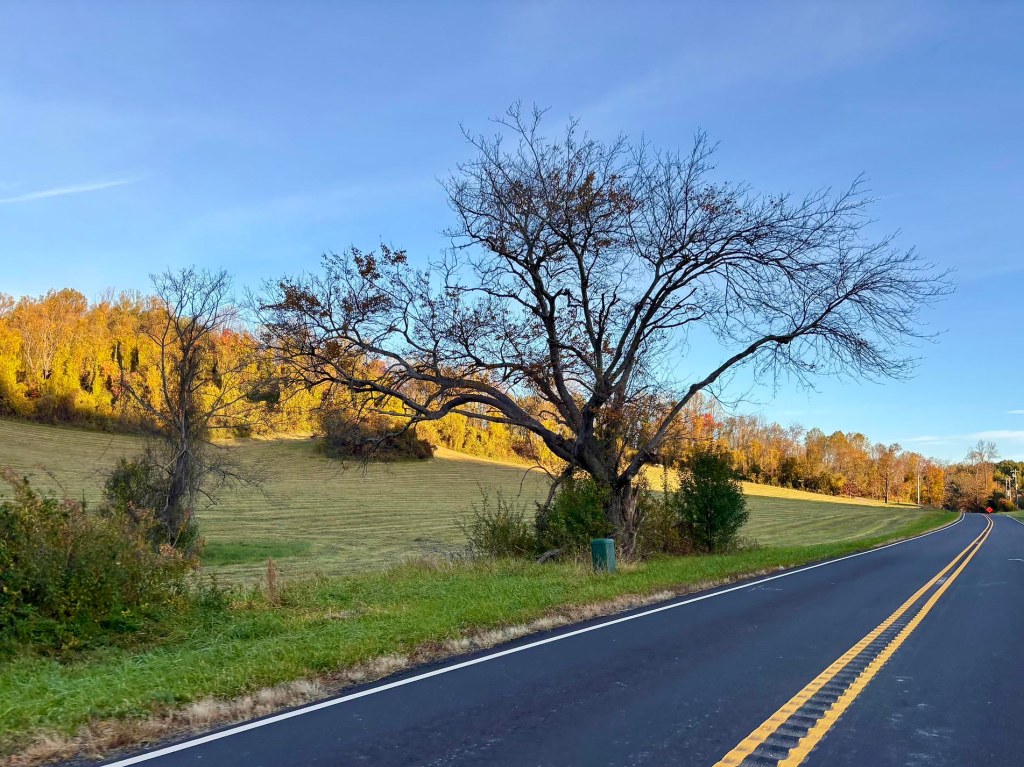
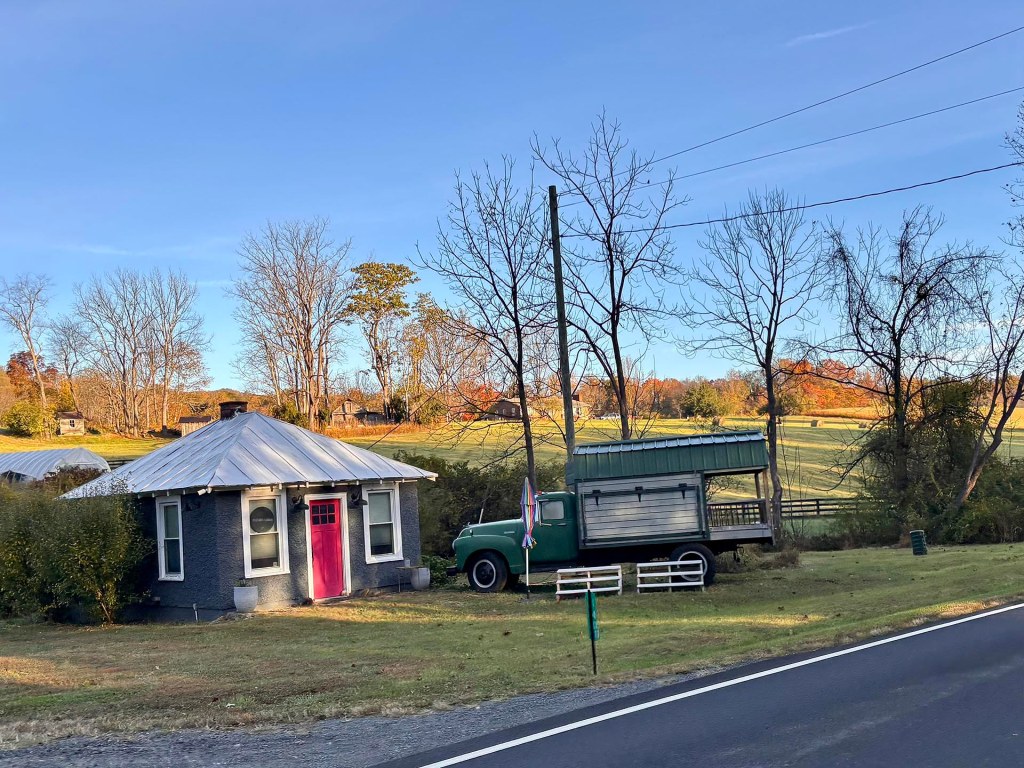
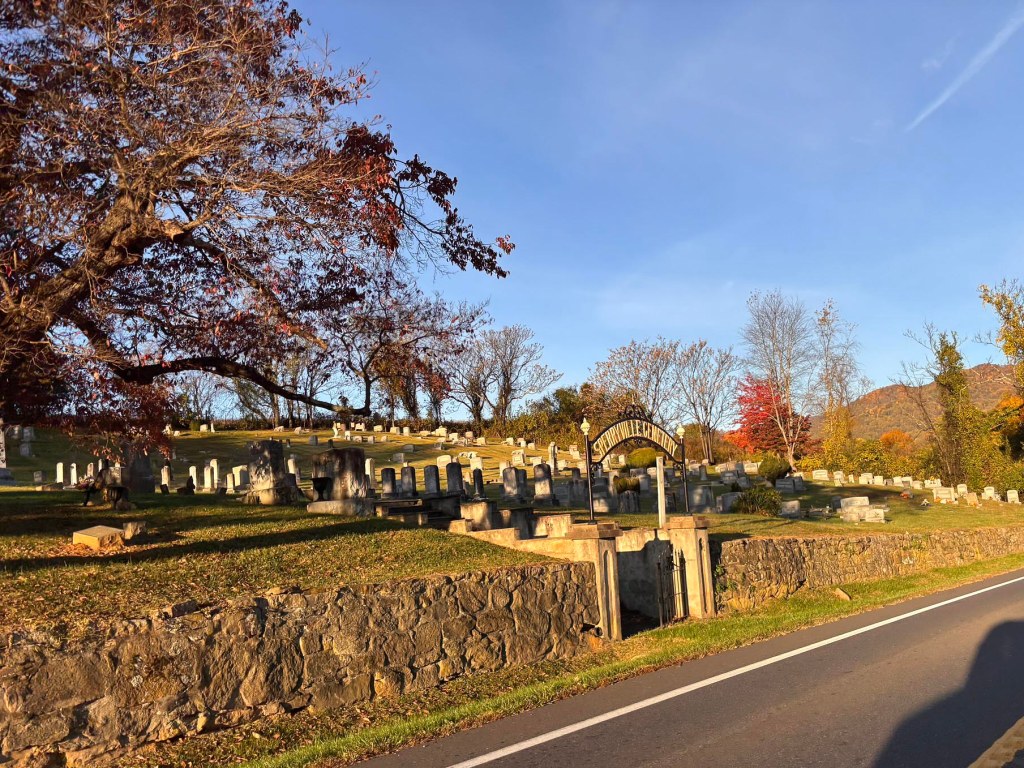
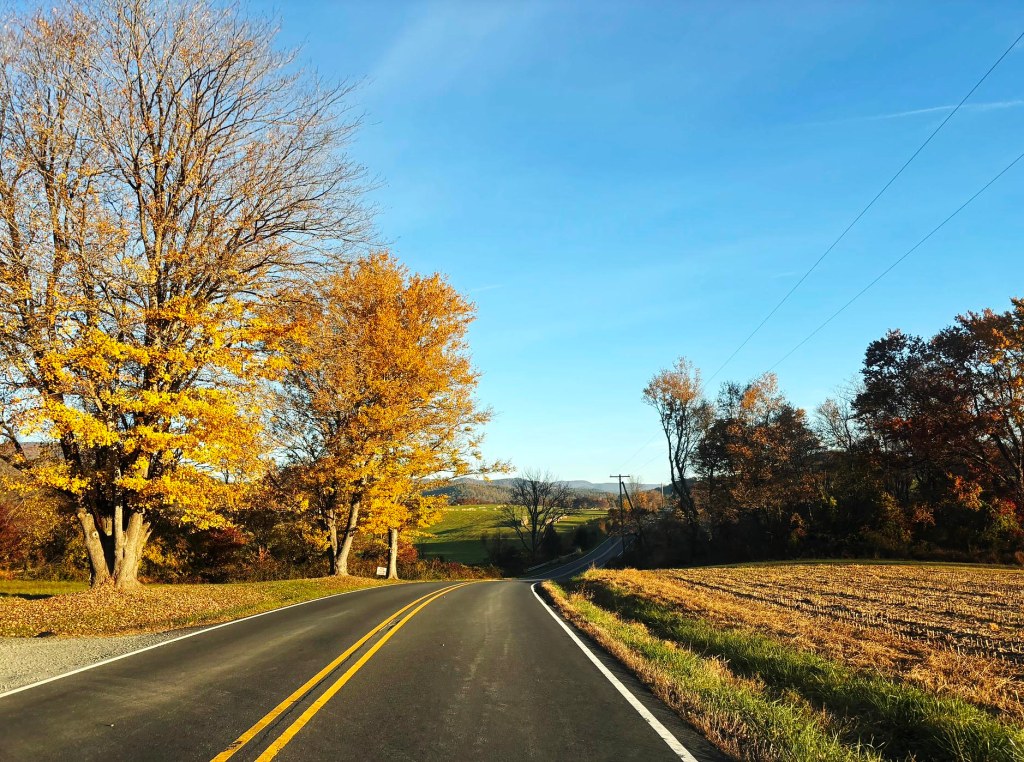
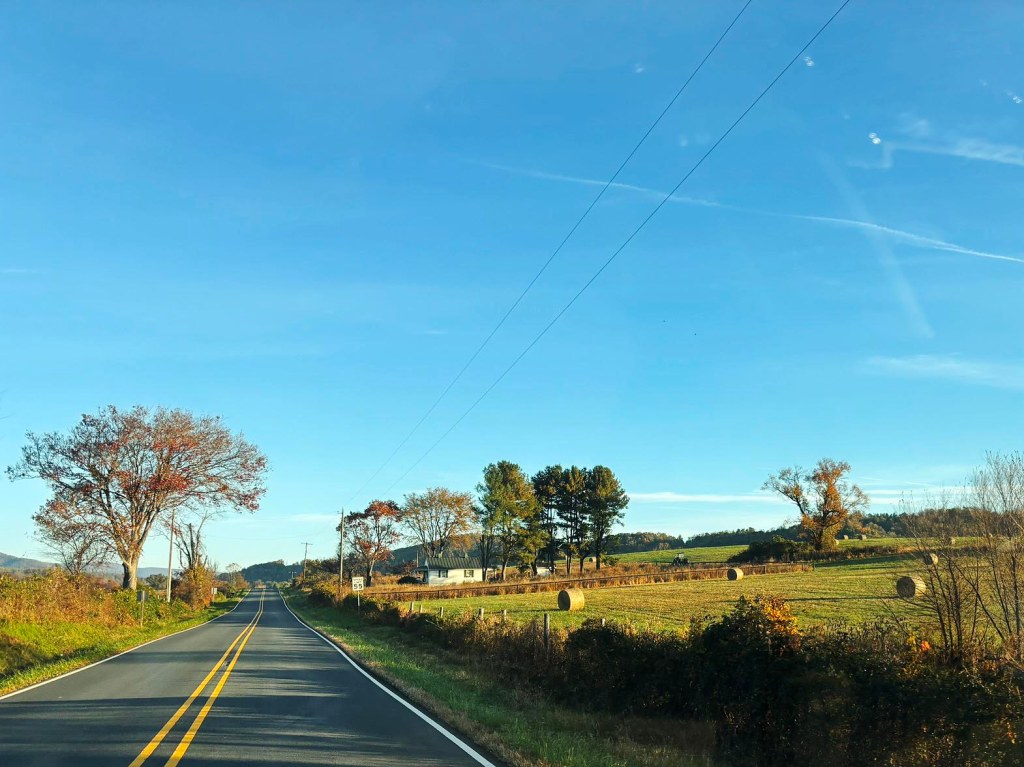
There are days when the best thing you can do is get in the car, find a country road, and see where it takes you. This past weekend, I found myself traveling Virginia’s Route 231, the old Blue Ridge Turnpike. It was one of those beautiful autumn mornings when the golden leaves seemed to catch every bit of sunlight, the hills rolled gently toward the mountains, and the countryside looked like something out of a painting.

Some roads are worth traveling simply for where they take you. Others are worth traveling for what they allow you to see along the way. Route 231 is certainly one of the latter. The Blue Ridge Turnpike is a road whose origins go back more than 170 years, through communities that grew up around farming, railroads, timber, and commerce. Before railroads became dominant, moving agricultural products across the mountains was difficult and expensive. The turnpike was an effort to connect the farms and markets of the Shenandoah Valley with the eastern part of Virginia.

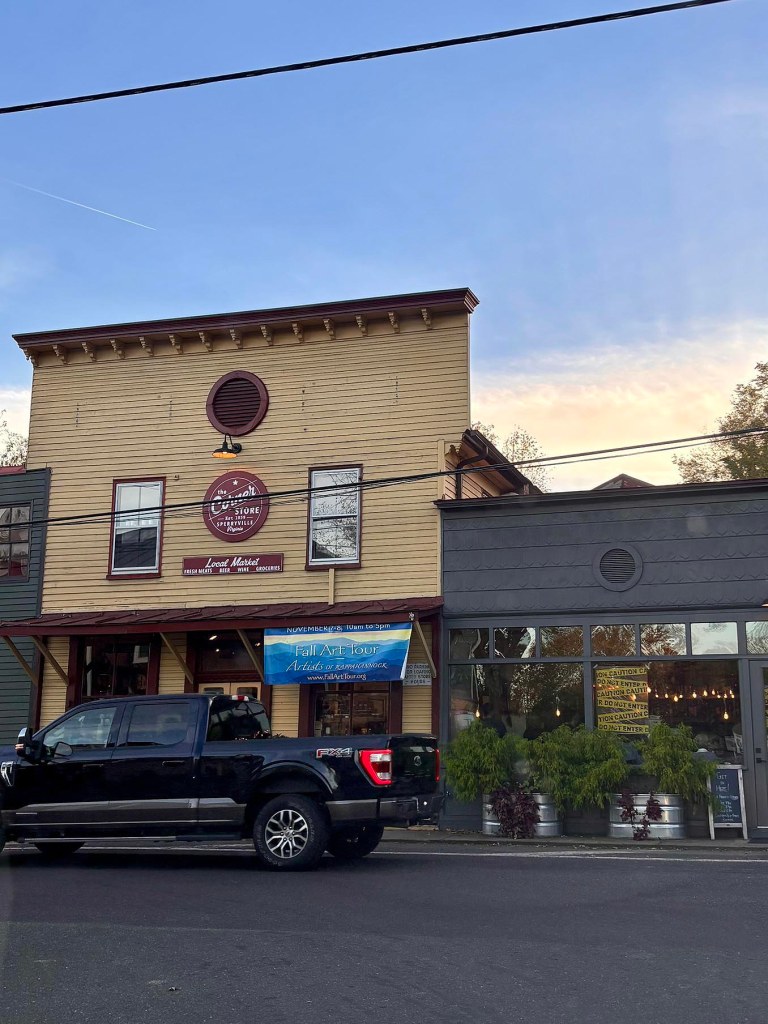
The road was completed in 1853 and covered 53 miles. While today’s road is not precisely the original turnpike, it follow portions of the old corridor. And the name? it dates to the road company and its construction in the early 1850s. It winds through five counties here in Virginia with the beginning at Cismont in Albemarle County. The north end terminates at Sperryville in Rappahannock County. I’ve driven the route between Somerset (approximately the midpoint) and Cismount many times on my way down to I64. But I hadn’t recalled ever driving the upper portion, from Madison to Sperryville, until this past Saturday, the last weekend in October.
Sidenote about Somerset: Somerset was once an important crossroads and railhead for the timber industry. Logging operations in the mountains to the west brought activity to this otherwise quiet rural community. Somerset Christian Church, dating to approximately 1857, is another historic landmark. And Sperryville is another historic village at the foot of the Blue Ridge, known for its small shops, galleries, restaurants, and proximity to Shenandoah National Park.

A particularly memorable portion of the journey traveled through F.T. Falley, named for Francis Thornton, an early settler and large landowner. It is a beautiful stretch of Virginia, with views toward the Blue Ridge and Shenandoah National Park. The road winds through farmland and small communities with the mountains providing a backdrop and I took several photos as we traveled through it.

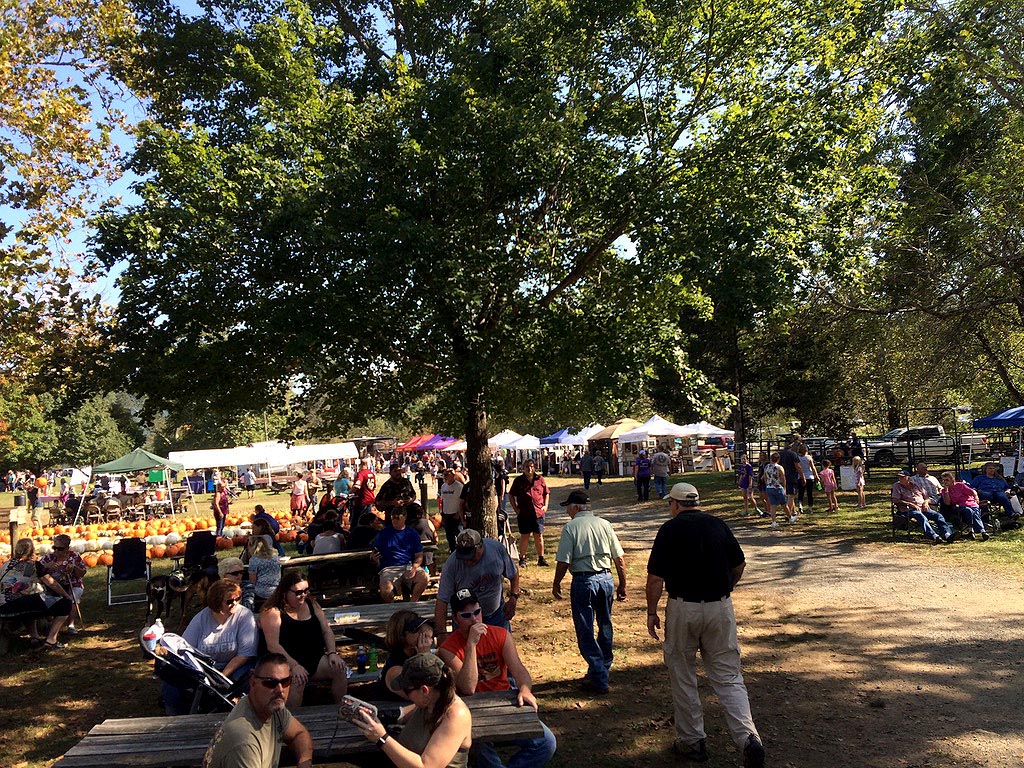
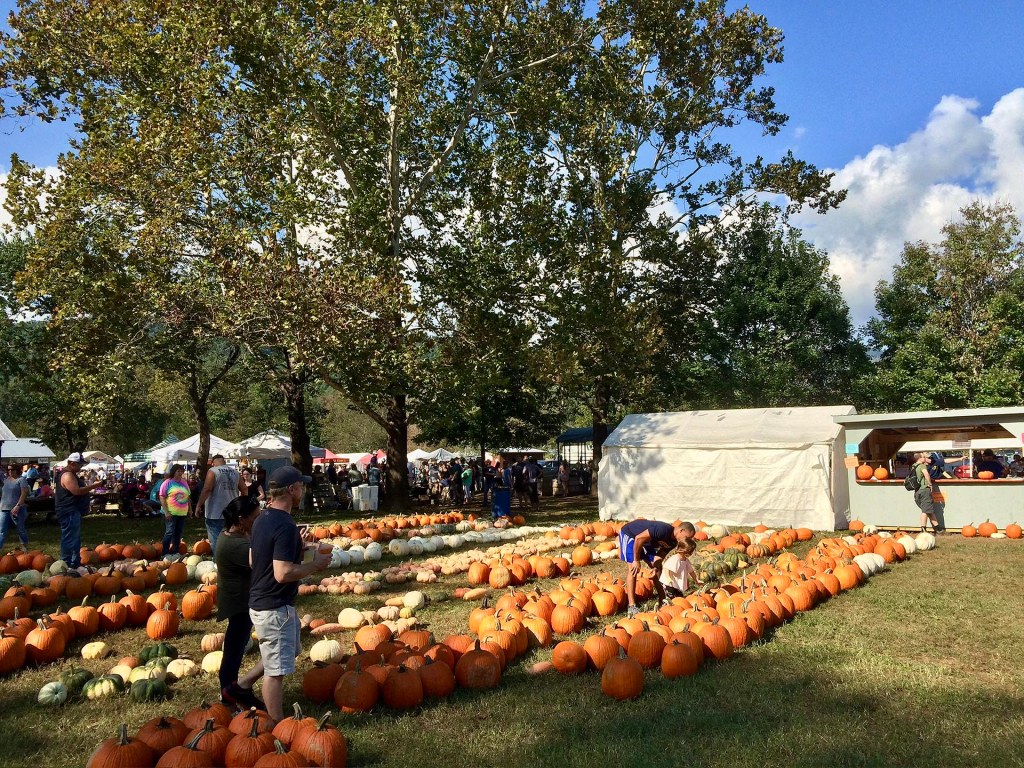
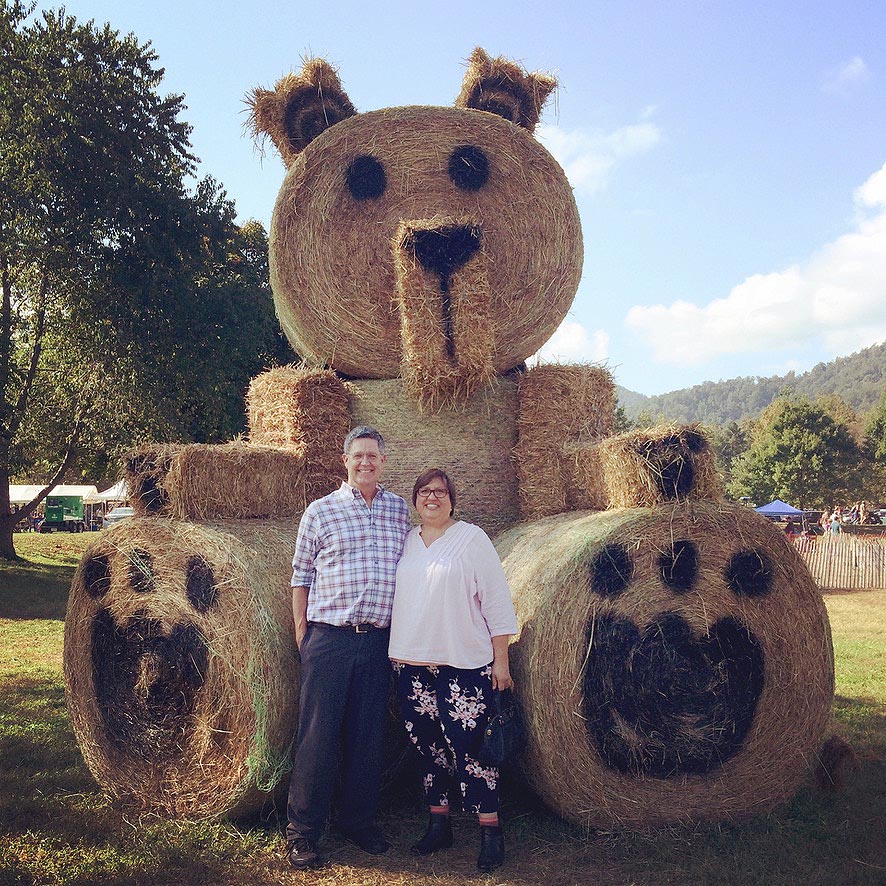
As I drove north that morning, bright golden sun painting every leaf of every tree along the road in glowing shades of reds, oranges, and brilliant yellows, it wasn’t until I came to Banco and Rt 670 (Old Blue Ridge Turnpike) the turnoff to Syria and Graves Mountain Farm and Lodges that I realized I had been along here before, and not all that long ago! Back in 2018 we had gone to the Annual Graves Mountain Apple Harvest Festival for the afternoon and had really enjoyed the drive down from Northern Virginia. But even before that, I had spent a weekend at the lodge with a group of friends on retreat back in the late 1980’s nearly 40 years ago.
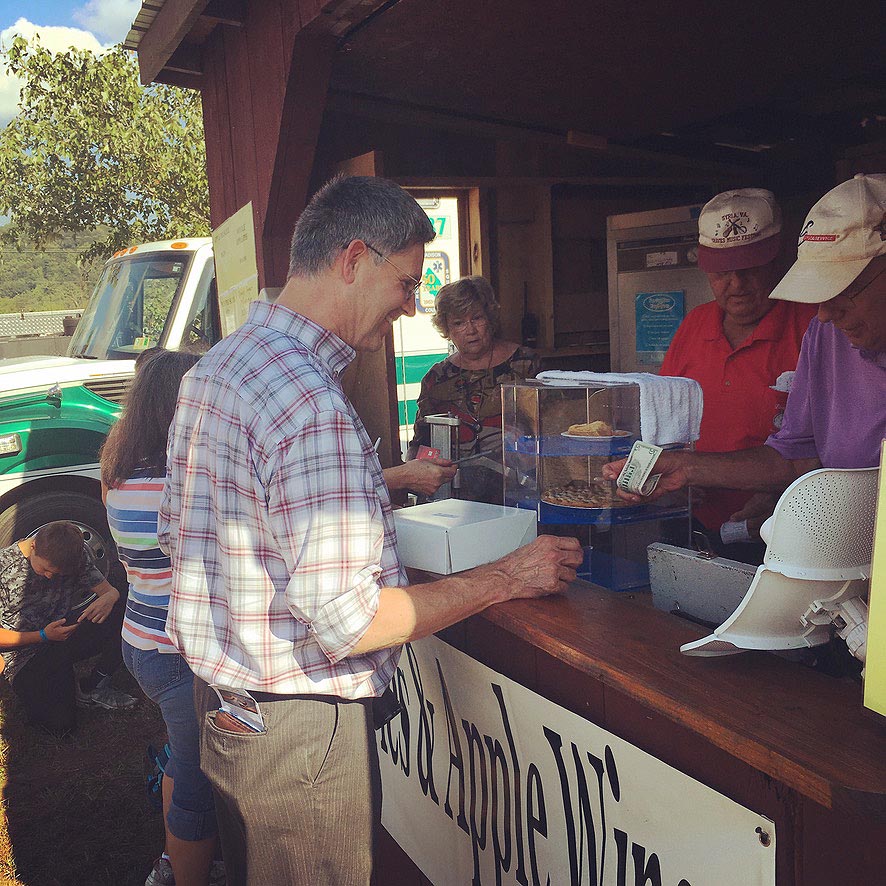
So that was my drive on Saturday morning, Halloween 2026. I made the same drive, from Winchester back down to Somerset the following day. While the early evening colors weren’t quite as spectacular as those from the morning sun, they were just as beautiful as I had remembered from the day before. Seems my short-term memory is still working! Hopefully the Fall colors are equally as spectacular as ours where you live. If not, come see them next year; late October is generally our best “peeping” window.
24 Hours (Rural Life)

The power line to our cottage was scheduled to be turned off on Tuesday morning, sometime after 8 am. An arborist was coming later that morning to take down two trees that I felt were getting a little too close to the power line running to our house.

With the severe weather we’ve been getting these past few years, I decided not to tempt fate. I blinked first: we were taking those trees down before they took us down.

But first, let’s back up a few weeks.

In July, we had the arborist out to remove a small sycamore and a dead ailanthus—better known as the tree of heaven. While he was here, he also removed the lower limbs from several trees growing near our power line. I was comfortable with that, but his inspection turned up another problem: one of the trees had a deep split and hollow as far up as we could reach. So we scheduled the crew to come back two weeks later.

The day before that appointment, a major summer storm had rolled through the area. There was enough storm damage that my arborist was suddenly busy responding to emergency calls.

Could we reschedule? Of course. No problem. We rescheduled for a Tuesday later in the month.

Monday afternoon, I drove down to the cottage early to move some landscaping decorations and ceramic pots out of the expected path of the falling tree. I figured that was about as much preparation as I needed.

At 5 pm. I headed into town for a few things at Food Lion just as the latest round of Sudden Severe Afternoon Thunderstorms arrived.

Torrential rain. High winds. Debris everywhere. Branches hitting my pickup from the trees lining the highway.

I waited a few minutes in the truck, then made a run for the store. I shopped, paid, ran back to the truck and headed home. By then, the worst had passed. We were back to the usual rain, thunder and lightning.

Except something had happened while I was gone.

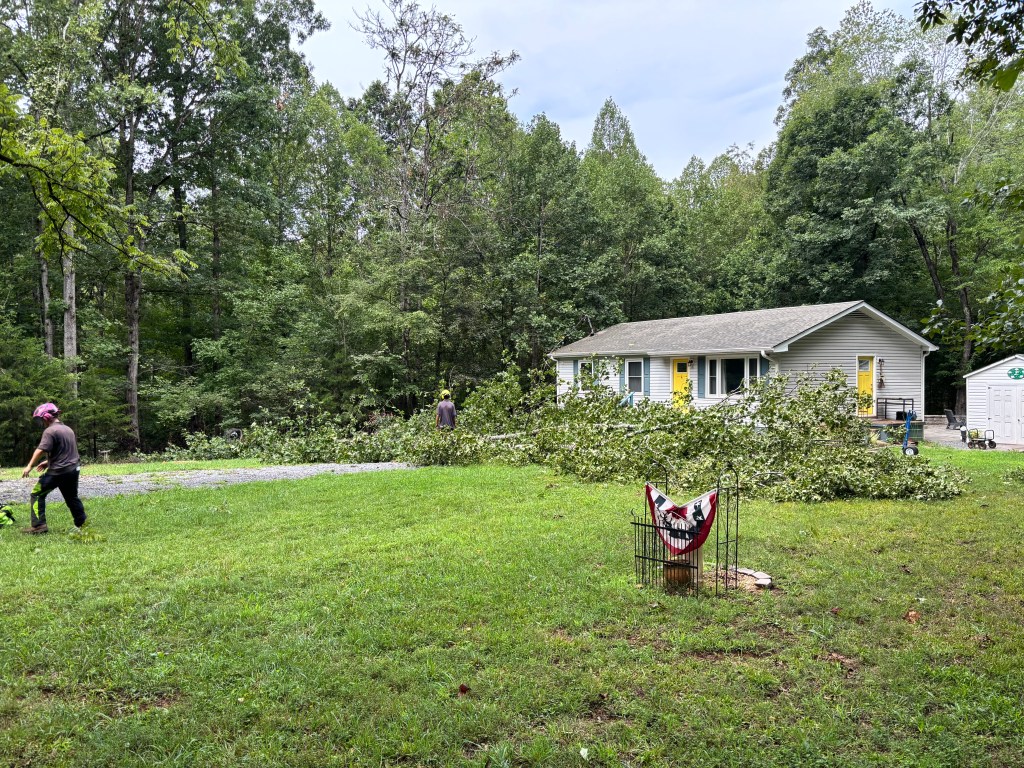
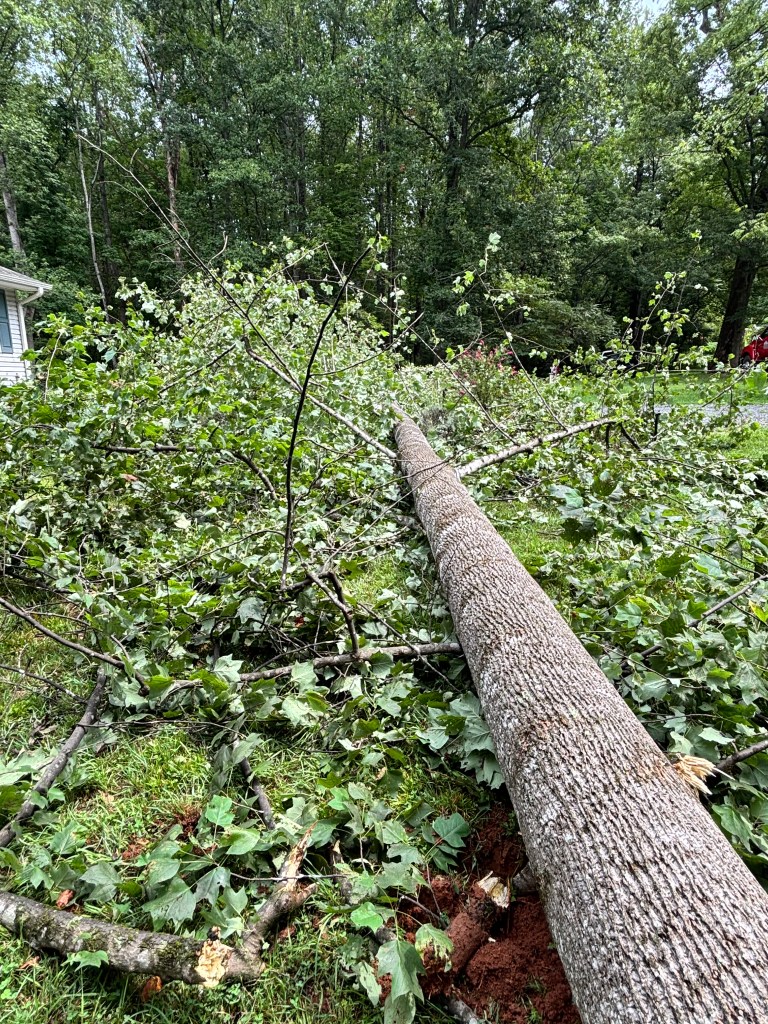
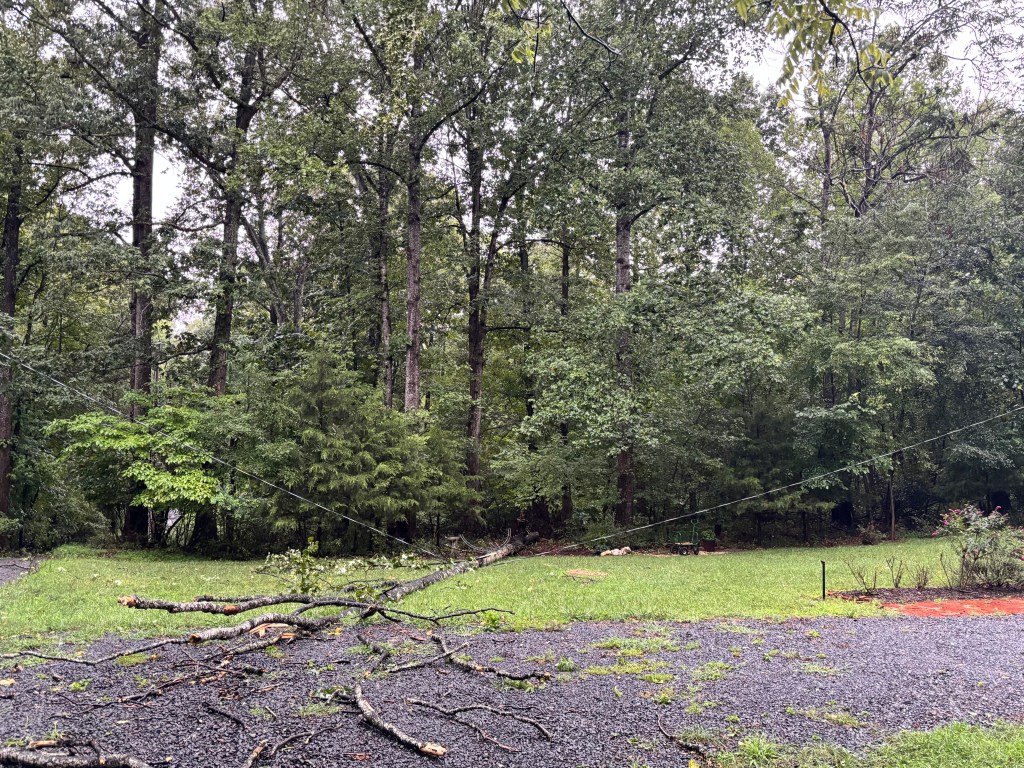
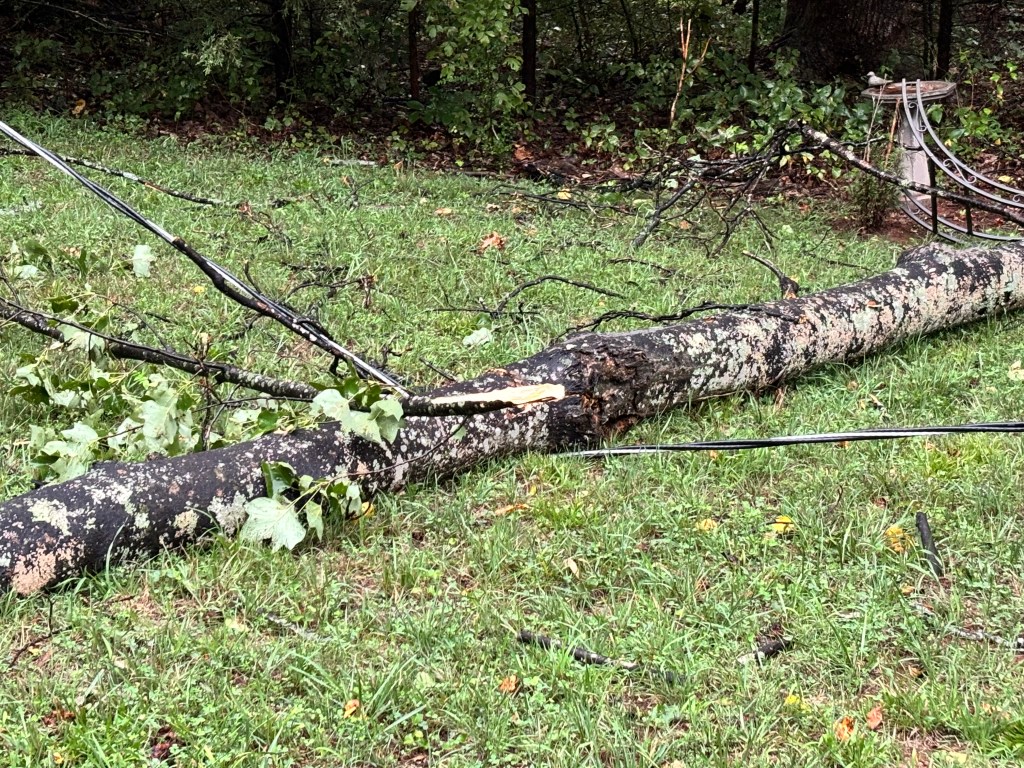
My neighbor had texted to let me know there was a tree down in our yard. When I drove in, I found branches scattered everywhere. Fortunately, the tree had missed the house.

It had not missed the power line. The very power line we had carefully scheduled to disconnect the next morning so we could remove the trees and protect it was now lying on the ground, stretched in a long inverted scalene triangle between the utility pole, the tree trunk pinning it down, and the house.

And we had no power.

I called the power company and joined the other 130 homes reporting outages from the storm. Then I went to bed early, sleeping in the living room with the curtains open so I could watch for the power company trucks.

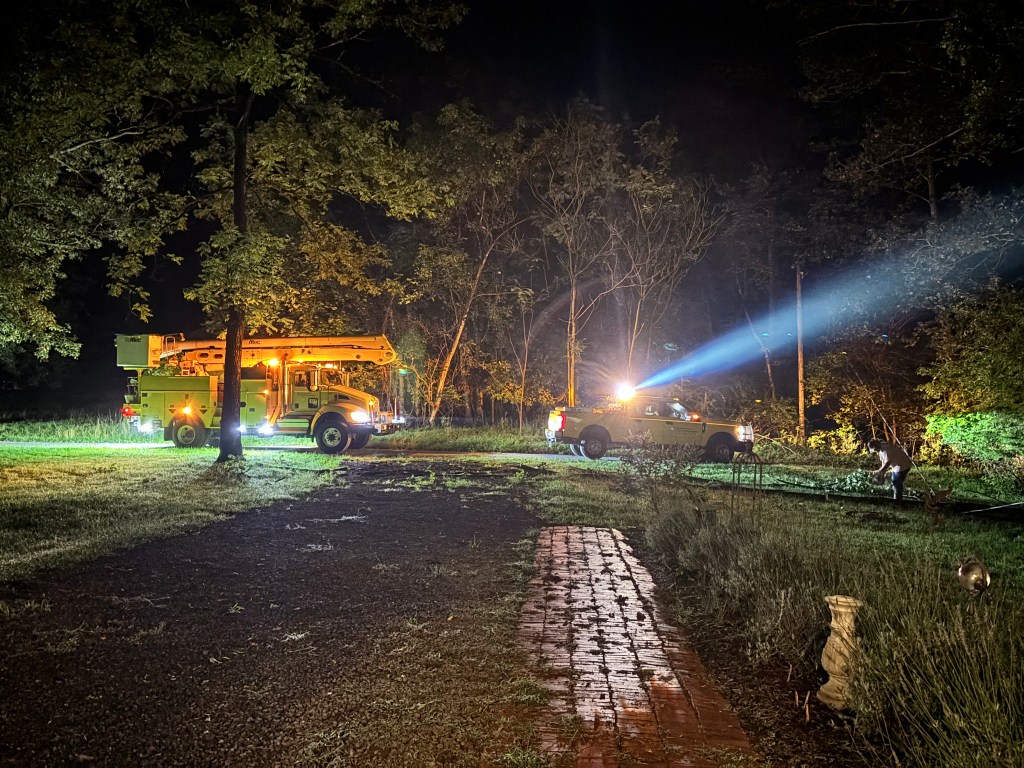
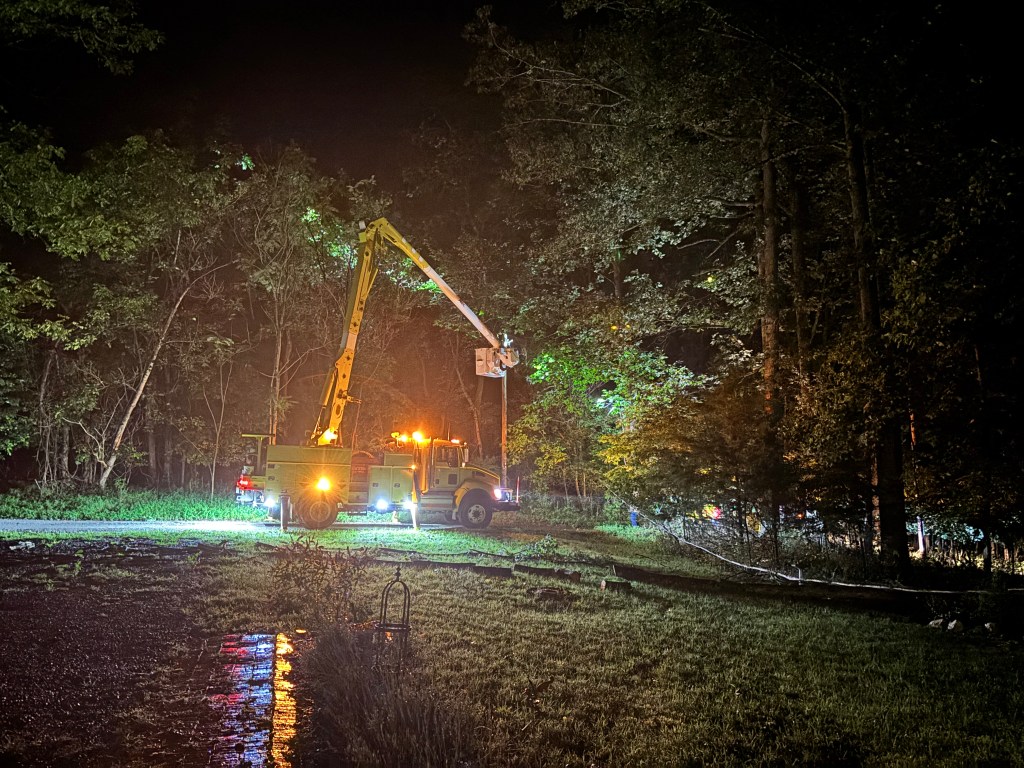
They arrived at 5 am. along with more thunder, lightning, a light rain and temperatures in the low 70s. Under different circumstances, it would have been a pleasant summer morning.

Instead, the power company crew worked through the light rain, cutting the line from the pole and then securing it up against the house.

Two hours later, at 7 am., I received a courtesy call from the power company service center. Because of the number of emergency calls they were handling, they needed to reschedule my planned power disconnect.

I had to laugh; I explained that the disconnect had already happened—just a few hours earlier and under considerably less convenient circumstances. At this point, all we needed was for them to let us know when they could come back and reconnect us.

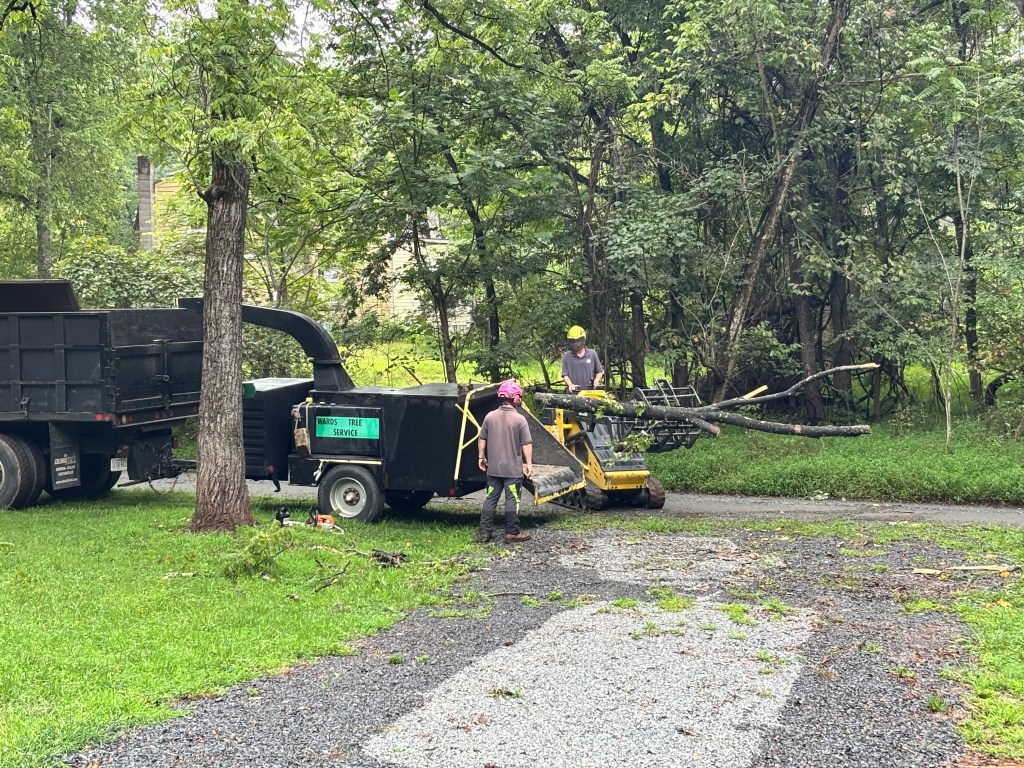
By 10 am. the arborist arrived with his crew, trucks, and wood chipper.

By 2 pm. they were essentially finished and cleaning up.

At 3 pm. the power company returned to hook us back up.

By 4 pm. we had electricity again. The AC was cranked up to bring the cottage back to a normal temperature, the trees were gone, the yard was cleaned up and, apart from a few good-sized divots where tree limbs had hit the ground, you could hardly tell what had happened during the previous 24 hours.

And that, I suppose, is country living. One of my biggest concerns about owning a home surrounded by tall, mature and increasingly aging trees has always been the possibility that one would come down across the power line. It isn’t an unreasonable concern. We’ve already experienced winter power outages that lasted nearly a week, along with the occasional summer storm interruption.

Now we’ve added the trifecta: storm, tree, and power line.

But it turned out better than my imagination had suggested it might. Nobody was hurt, the house was fine, the tree was removed, the power was restored and the yard survived.

So I’m taking the lesson for what it is. Keep an eye on the weather. Keep an eye on the trees. And don’t wait too long to deal with something that looks like it might become a problem.

Be Prepared is a motto I’ve come to appreciate.

But apparently, our “that’s life in the country” saga wasn’t quite finished. The next morning, a power company service truck stopped by to check on the previous day’s work order. Everything looked fine, so the crew left.

Thirty minutes later, we lost power again. This time, a tree had come down across our main road, taking out the line that ran along it and affecting about 25 homes.

At this point, all I could do was just roll my eyes and laugh to myself. The storms we’ve been getting really can do a number on a rural power grid when you add a few mature trees to the equation, especially when they border your powerlines. 

Country life: sometimes you just have to roll with it.