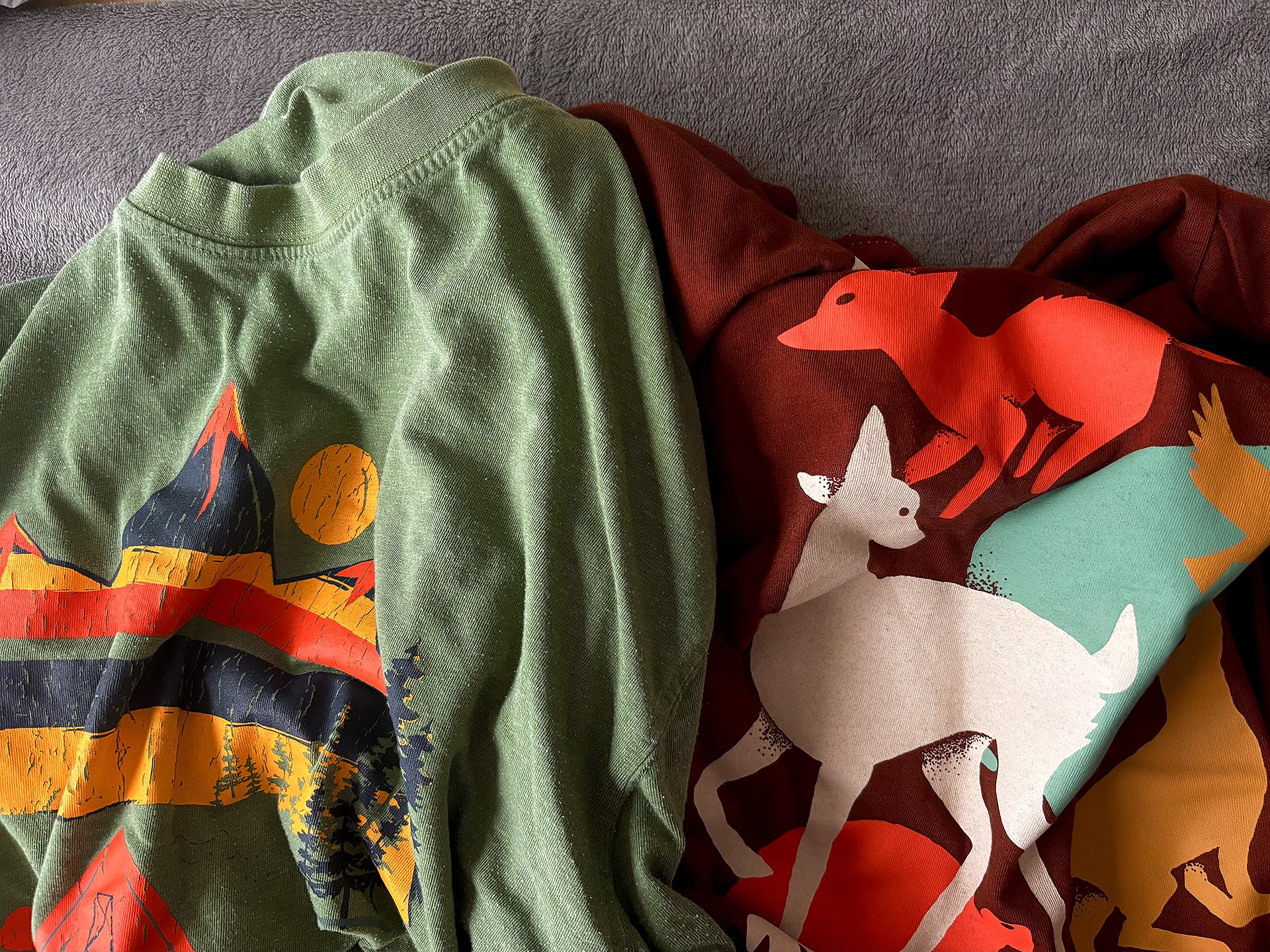
One of these t-shirts cost $3.99, the other cost $36.99. From here it’s a bit hard to tell which is which: they both have similar colors, one looks to be vintage or vintage-inspired, the other is perhaps advertising or fundraising for a cause. I love them both. One is from Goodwill, it’s a garment I picked up for almost ten percent of the other, it’s used and now has a second life.
It’s that second life that seems to have become more problematic, or at least has opened up a window (for me) into an ongoing moral debate. If I buy the used shirt for $3.99 and then turn around and resell it on the second hand market thru a website such as Posh or EBay, is that an immoral choice? Or put another way, is it moral to buy 2nd hand clothing and resell on ebay for more than you paid?
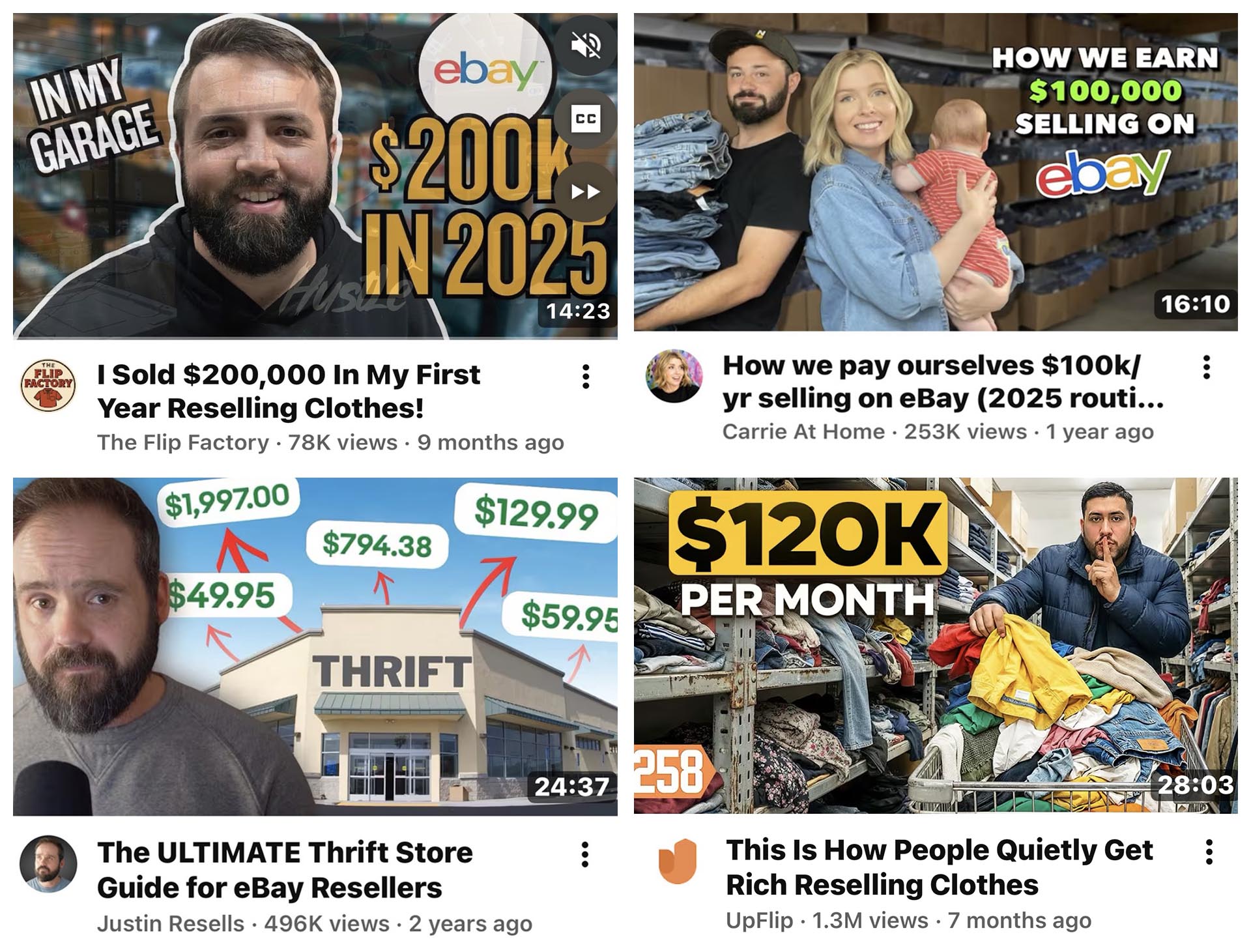
Buying secondhand clothing to resell for a profit is a common practice, opinions on its morality are mixed. But the opportunity to “quit your day job!” and make significant income is quite compelling, I think. I found a vintage, pre-worn Reno Rodeo T-shirt for sale on EBay, $49.95. I wonder what those shirts sold for new?
As a Boomer, my thinking is that hey! buy low, sell high, make a profit and everyone is happy. But I was introduced to a different way of thinking recently by a member of the Gen Z cohort who immediately had a strong visceral reaction to my suggestion that I resell on Ebay goods that I had picked up cheaply at Goodwill. We had a great conversation on the topic (by the way, the green T-shirt is the one from Goodwill) and though I had no intention of reselling it, it really got me thinking about how we use otherwise charitable organizations for purposes other than that which they might be intended.
So. Like any Boomer, I went online and posed a series of questions to Google AI to help me clarify the morality discussion. As expected, there were both pros and cons surrounding the discussion of morality, or rather, I was presented with arguments both for and against engaging in reselling charitable goods. Pro: it provides a service, reduces waste by keeping clothing out of landfills (a powerful argument and one that I have seen used regarding secondhand furniture sales), and the view that similar to normal retail work, selling second hand is open to anyone.
Arguments against would include reducing access to garments reduces the the amount of affordable clothing options for low-income shoppers, could conceivably drive up prices at thrift stores, and subverts the donation’s intended purpose of aiding or supplementing the purchasing power of lower income individuals.
What I didn’t expect to see was that this topic might cause friction with my friends, as it highlights a fundamental clash between two different economic worldviews. Are we “stealing from poor people” when we engage in the resale market, or are we merely engaging in the opportunities afforded by a free market enterprise, i.e. capitalism?
There were a lot of other dimensions to the discussion that could be explored: is the resale of clothing particularly different from sourcing and selling vintage or antique furniture, for example, or a used car? All are used goods, bought low and sold high. But now I wonder, when does something which seems intrinsically good, or at least value neutral, cross the line? Your thoughts?


Upcycling from Goodwill supports their employees, helps turn over their inventory and gives general good vibes. If people pay you more for your value added, enjoy it.
LikeLike