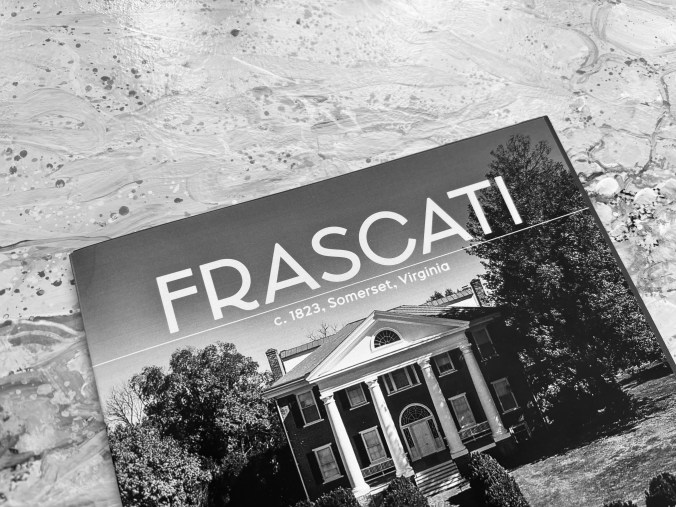
200 Years and Looking Good

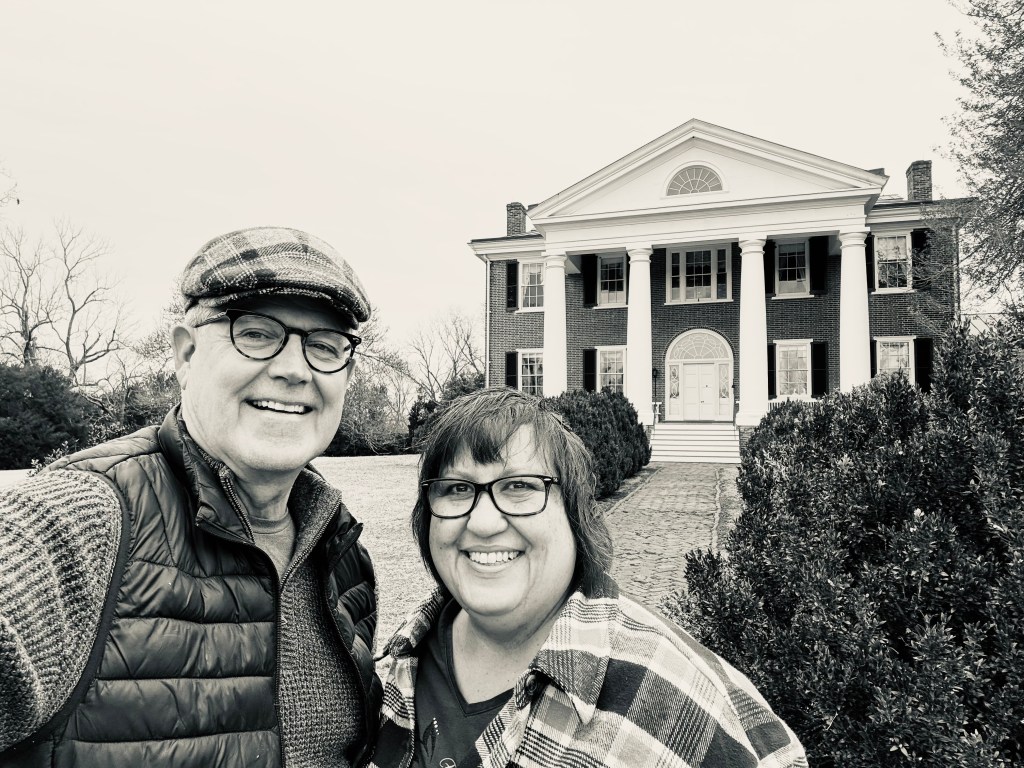
Last week we went for a preview of items to bid on from an auction at Frascasti, an 1823 brick mansion in central Virginia. Frascati was built for Philip Barbour, Associate Justice for the Supreme Court. John Perry, known for his work for Thomas Jefferson in building the University of Virginia and Monticello, oversaw construction. Frascati is on the National Register of Historic Places and is a Virginia Historic Landmark. The Federal-style brick home has a commanding view of the valley down through Somerset and on to the Blue Ridge Mountains. Hidden from the road by overgrown boxwoods, it must have been an imposing presence on the hill two centuries ago.

While the home isn’t open for tours, it was recently sold and the family, who had held the property for over four decades, released many of the furnishings in an estate auction. We went for the preview and had the opportunity to walk through the home as we marked our list of items to bid on.

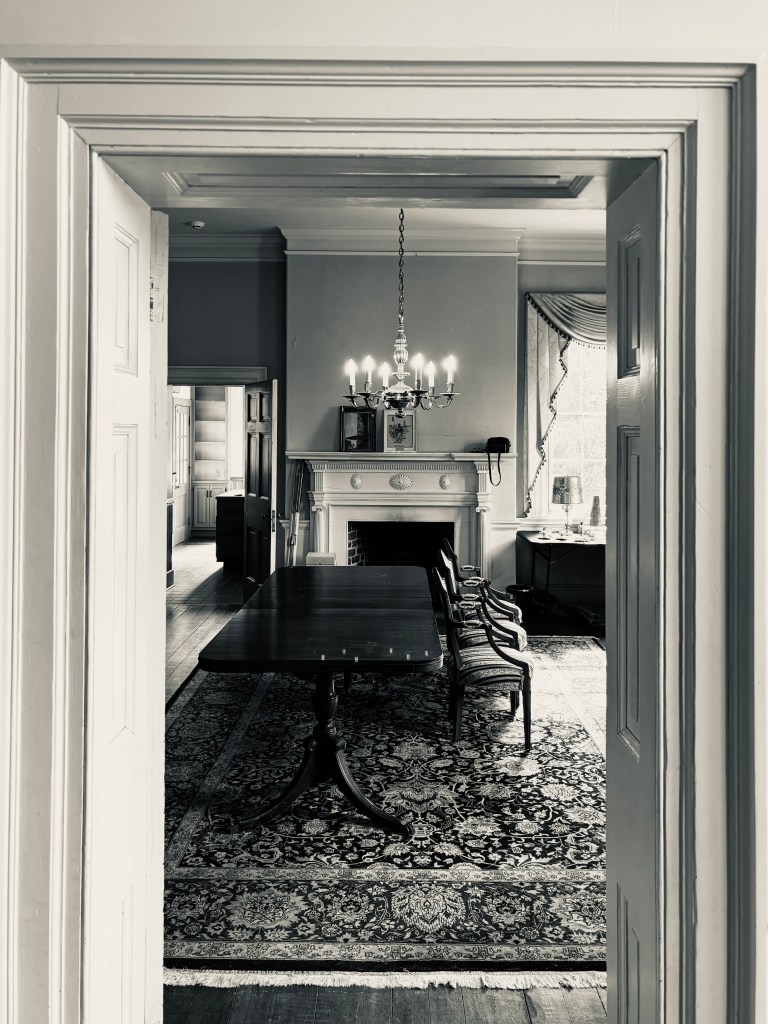
The peeling paint on the first floor walls gave no indication of the grandeur the home once possessed. Entering the parlor I was surprised at the size of the room, dominated by a large chandelier set within an immense ceiling medallion. Oftentimes even the light fixtures are auctioned off—this one wasn’t and I imagine that it will be staying with the home.

We walked from front parlor to office, on through the dining room and made our way upstairs to one of the bedrooms which had items on the auction list. We had intended bidding on a pair of crystal bedroom table lamps. They were as beautiful in person as they had appeared in the online catalog though their fragile shades would need replacing. Up another flight of stairs we found a third floor lunette window at the front of the house with an amazing view over the boxwoods to the neighboring properties beyond. 

Frascati was one of four plantation homes in the area, only three of which still exist intact. A mansion designed by Thomas Jefferson, home to Governor Barbour, was built in 1820 and destroyed in a fire in 1848. Somerset Plantation, just down Rt 231 the Blue Ridge Turnpike, was built in 1821 and served as a design inspiration for Frascati. Montpelier, home to President James Madison and his wife Dolly, is now a historic site overseen by the Montpelier Foundation and owned by the National Historic Trust. 

My first impression of the mansion? What an opportunity for a grand event venue or a ballroom! The ornate plaster crown moldings and soaring interiors just speak of the Regency era in England. With examples such as Downton Abbey and Bridgerton, what a venue this could be for concerts or recitals. There is an existing deed of easement signed by the owners in 1999 with the Virginia Board of Historic Resources which guides what can be done with the buildings and the 64 acres. It remains to be seen what the new owners choose to do with this historic property. 

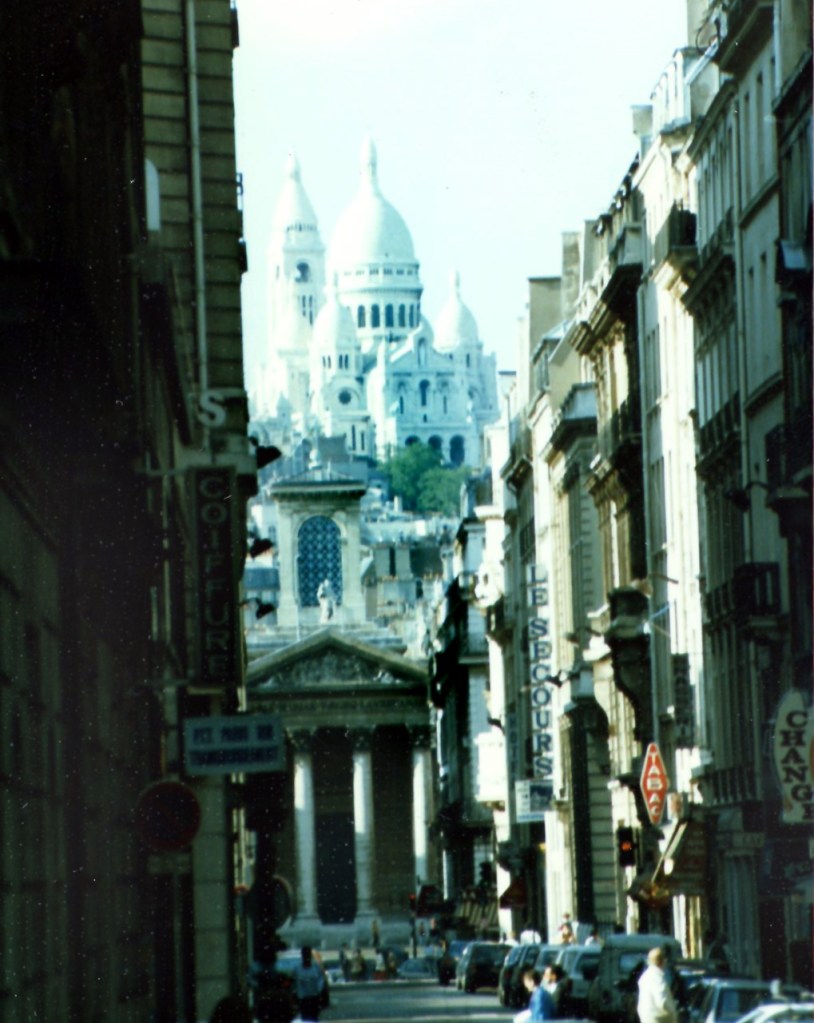
We ended up with a few items from the sale: a pair of crystal table lamps, three side chairs upholstered in a beautiful striped damask, two silverplate chafing dishes we hope to use for a party, a vintage illustrated book on Paris. As I was leaving, one of the daughters of the homeowner handed me a tiny green plastic house she had found while cleaning upstairs. A missing Monopoly game piece, she said, which went with the collection of games we had acquired. And then she spent several minutes telling me about each of the items we had purchased. I suppose it was her way of saying goodbye to a home she and her family had loved for more than 40 years and which had survived more than two hundred.

Let’s Chat (GPT)

Sometime back I wrote a post on my website using ChatGPT; actually, I asked the questions and then used the system’s responses in an effort to sus out the narrative and possible conclusion of a series on HBO. The series was a takeoff from a popular roleplaying game (which I had not played). And so, while it seems most of the show’s viewers already had the end in sight based on their familiarity with the video game, it was new territory for me. You can read the post here or watch it online here. No spoilers! But it writing the post did give me an appreciation for and a tiny peek into the world of AI.

Over lunch with a friend this week, the topic of AI came up again during our conversation. It has been all over the news recently, at least here outside the nation’s capitol, and with President Trump’s announcement of Stargate datacenter infrastructure investment, well it seemed like a good time to take another look under the covers. That, and with every software or App update seeming to push their own version of AI, I wondered how much it may already be impacting my life.

So Dave challenged me with a small stress test. I had used AI before, but would I be interested in using the technology to plan out an upcoming (hopefully!) overseas trip? Game on and challenge accepted!

We are interested in a possible ten day adventure to a country I have never visited before. I started by posting what seemed like a pretty modest request: plan an itinerary for a seven day driving excursion. stops for sites of interest, accommodations, and dining. In seconds I was rewarded with a detailed plan for my adventure. Pushing on, I asked for tweaks in the results: what about stops for pubs and restaurants? How about interesting castle or garden tours along the way? What about historical sites to visit, distilleries, shopping? There is a limit to what a free session will return but I had what I was looking for. When copied into a Word doc, I had ten pages of preplanned travel adventure.

One last outing with the software before I close. With ten pages of results, I wondered if ChatGPT would condense or summarize the information for me. Rather than wading thru all that paperwork with a yellow hilighter, let’s let the AI do the work. Again, seconds later, a condensed version of my summer itinerary in was delivered, one and a half pages of pure travel fun waiting for me. In the past we’ve spent considerable amounts on Fodor travel guides and read thru numerous online reviews of hotels and restaurants, various travel experiences recommended by others. This year we are going to give AI a shot as our personal travel planner.

Comment below with your own experiences with AI; for good or il, it looks like it will be with us going forward. Oh! one last thing. I had used Adobe Firefly to generate a graphic for this post. Not satisfied with the results, I went old-school and ended up creating my own montage of text images. It took quite a bit longer than a few seconds.

Bucket List

Do you have a Bucket List that you’ve been slowly working on, crossing off items as you accomplish a goal or visit someplace special?

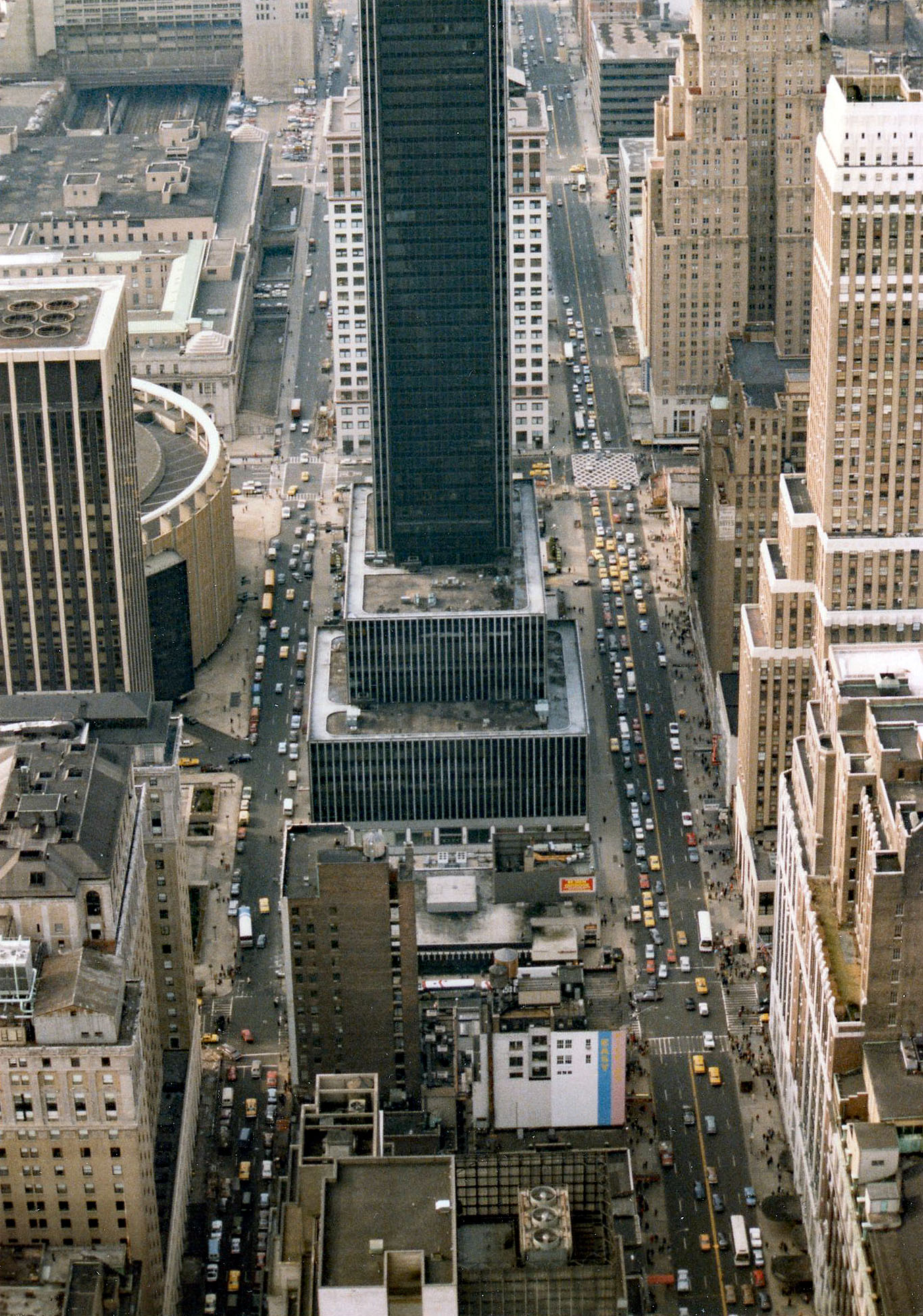
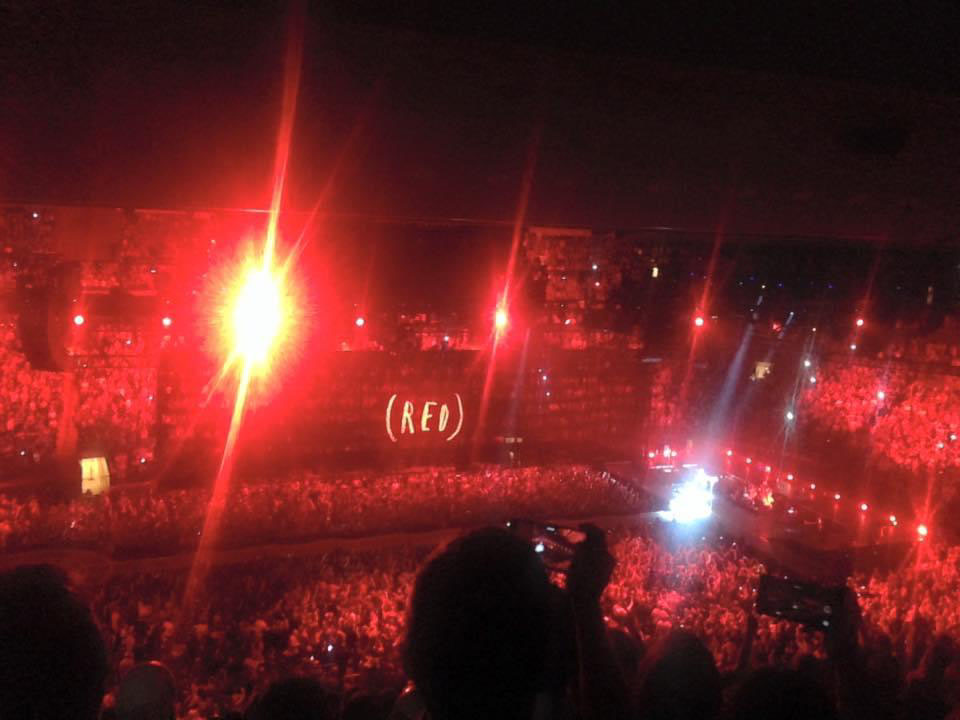
I hadn’t really considered myself as having much of a list; if I did at one time, that list has definitely gotten shorter over the years. This month we were able to see Bruce Springsteen in concert (the tickets were a gift) so that was a major item checked off. We had seen U2 for my birthday a few years back at Madison Square Garden. The view of the Garden from the Empire State Building, below, was taken on a trip to New York City in 1985. I had seen Elton John in the 70’s and then again in the 80s in Germany, that was special. We saw Sting at Wolftrap a couple of years ago, but that’s it for Big Name Artists. I’m hoping to see Adele at some point although she has announced a hiatus from performing for the next several years. Deb saw Barry Manilo in concert many years ago. We both saw the Beach Boys recently, but after performing for 50 years, who hasn’t seen them? Check.

I’ve been to Taiwan on a missions trip but I would still love to visit Japan one day. Deb has been to S. Korea which I thought was pretty special. We’ve both lived in Germany and visited a number of European countries but I still have a visit to the Hermitage museum in St. Petersburg on my list. I doubt I will ever get to Russia considering the political climate today but I’m leaving it on the list.

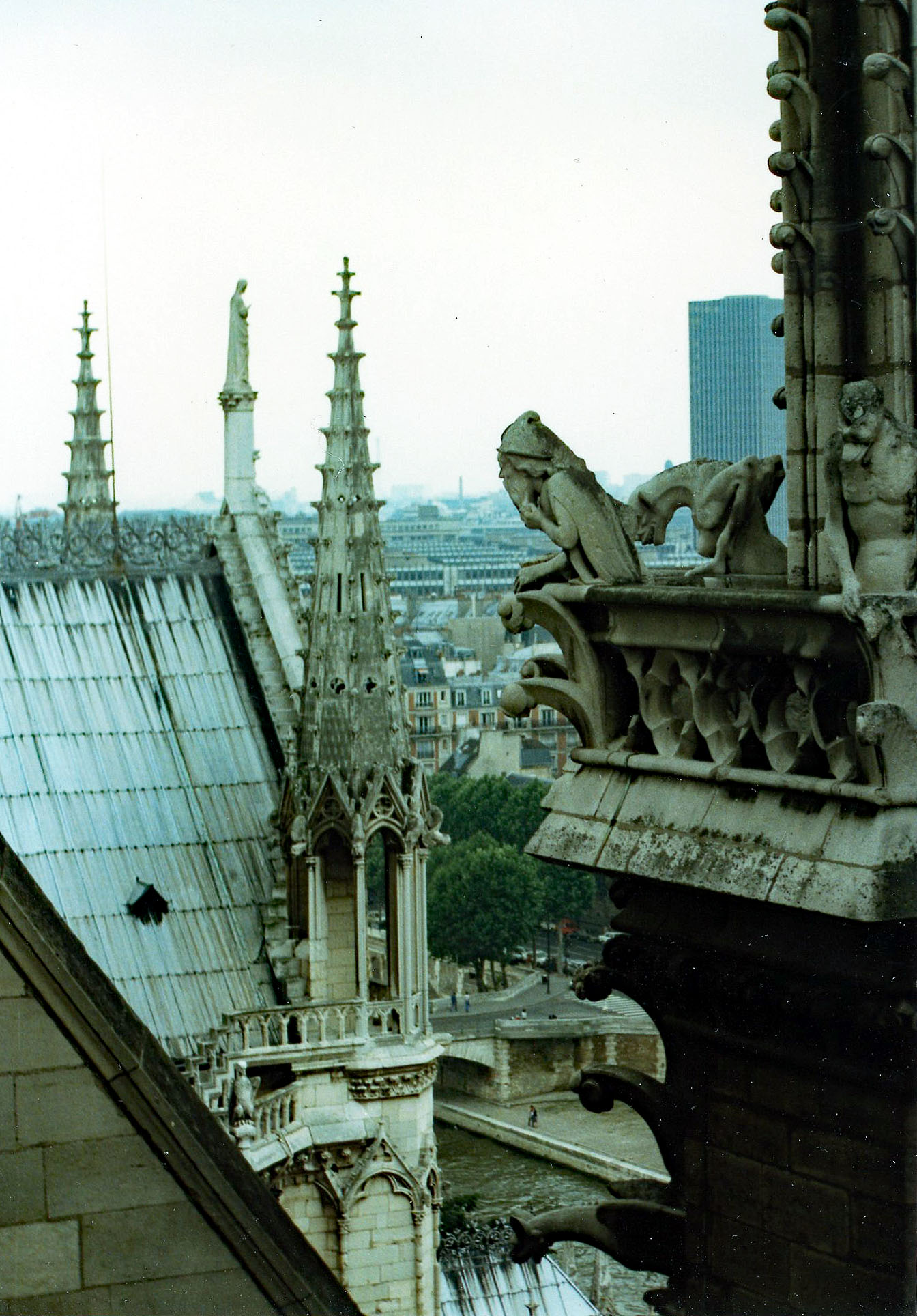
Toured the Eiffel Tower, the Cathedral of Notre Dame in Paris and the Louvre but still haven’t been to the Vatican. The second view of the Eiffel Tower (below) is the smaller version from Las Vegas; we took our granddaughter there on our trip to Arizona. I’ve walked about on the observation deck of the Empire State Building, the World Trade Center before it fell, and the Top of the ROCK. So I don’t think I have any more tall buildings on the list. Having toured two of Frank Lloyd Wright’s landmark homes, I would really like to see a few more of those. We shall see. 

One day I hope we get to Niagara Falls. We’ve crossed the Golden Gate Bridge into San Francisco, sat on the South Rim of the Grand Canyon, and flown across the glaciers in a seaplane in Alaska so pretty good with those. Devil’s Tower is still on the list. Maybe an African safari someday though we drove through a nice, little safari in southern Oregon! 

Alaska by seaplane

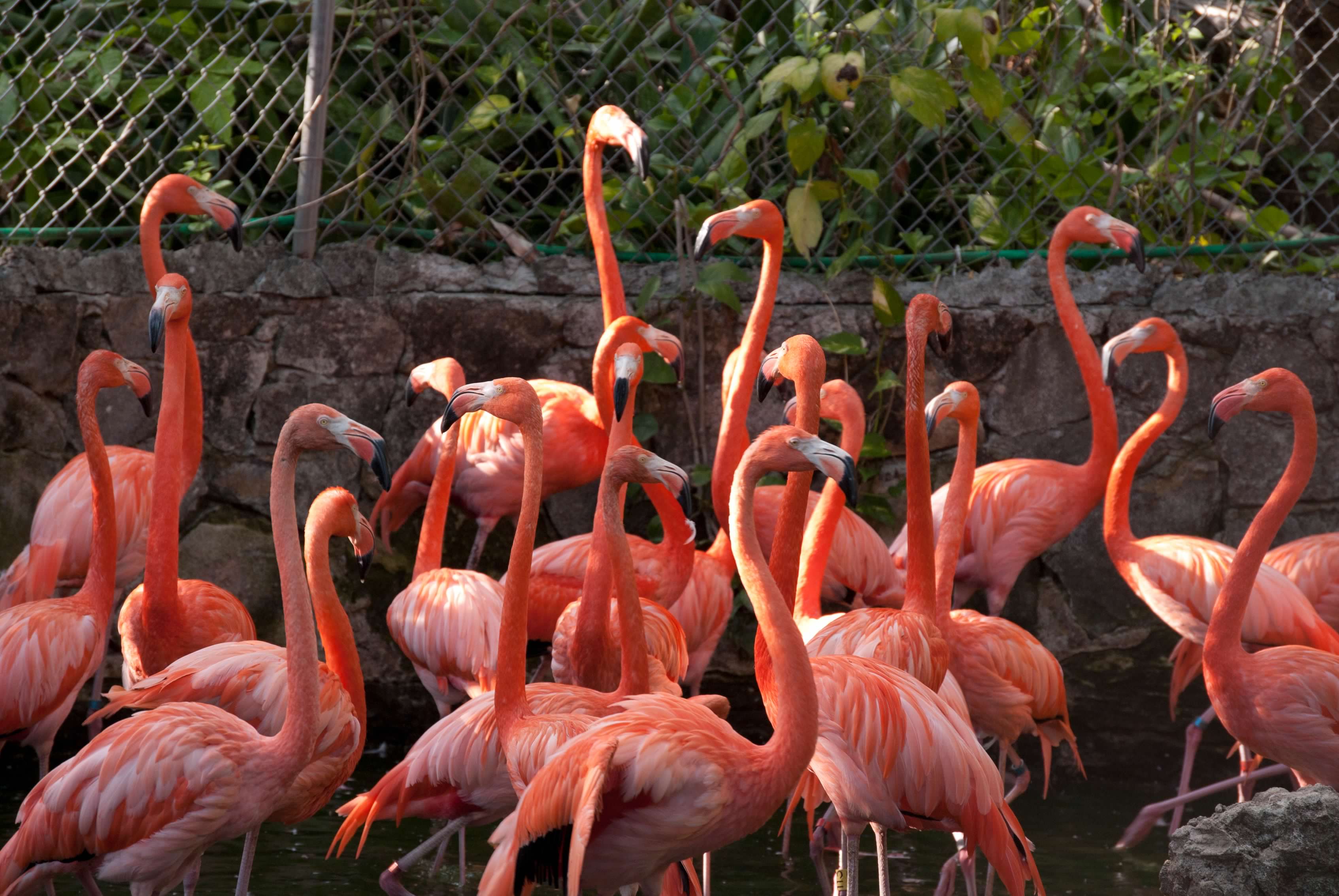
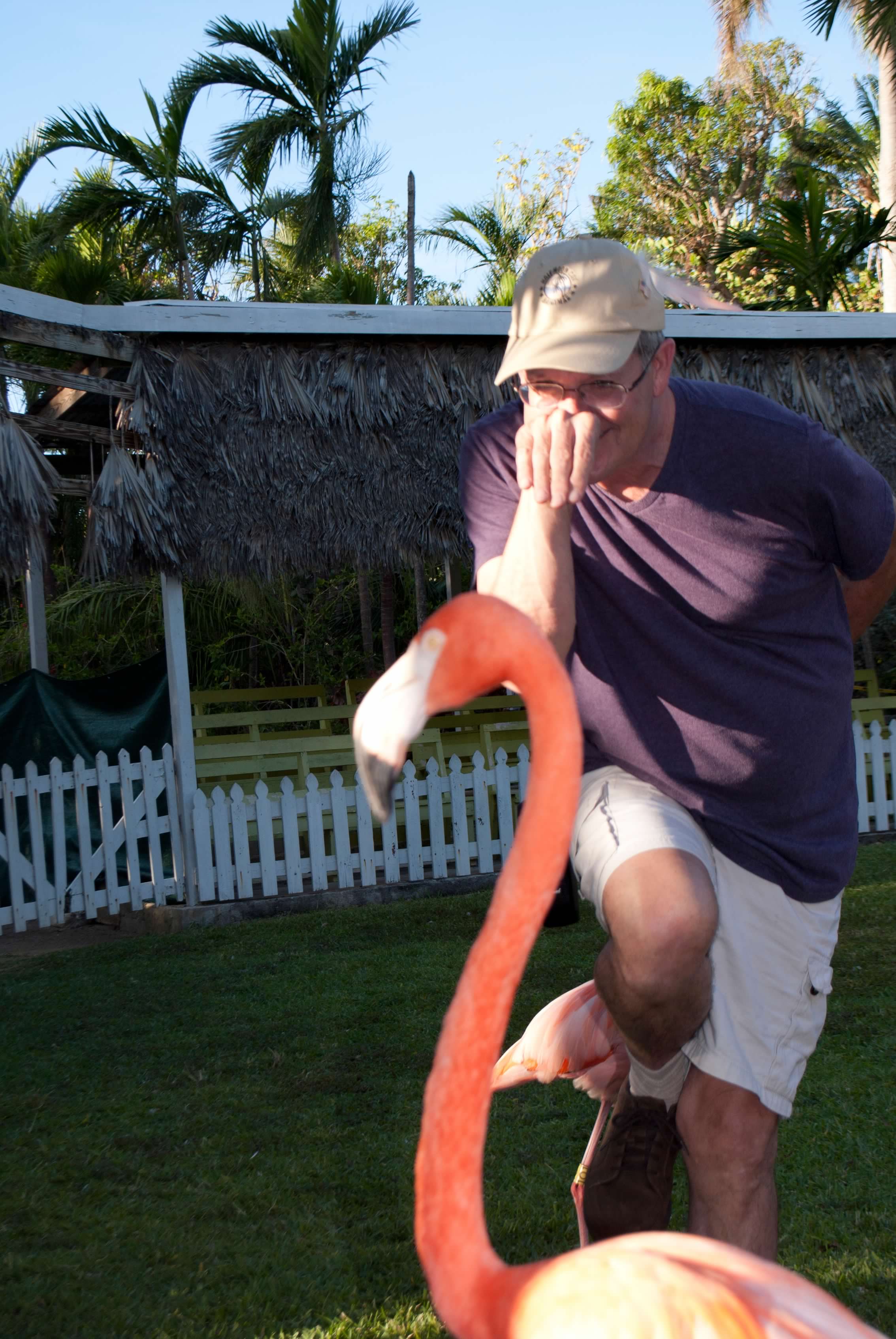
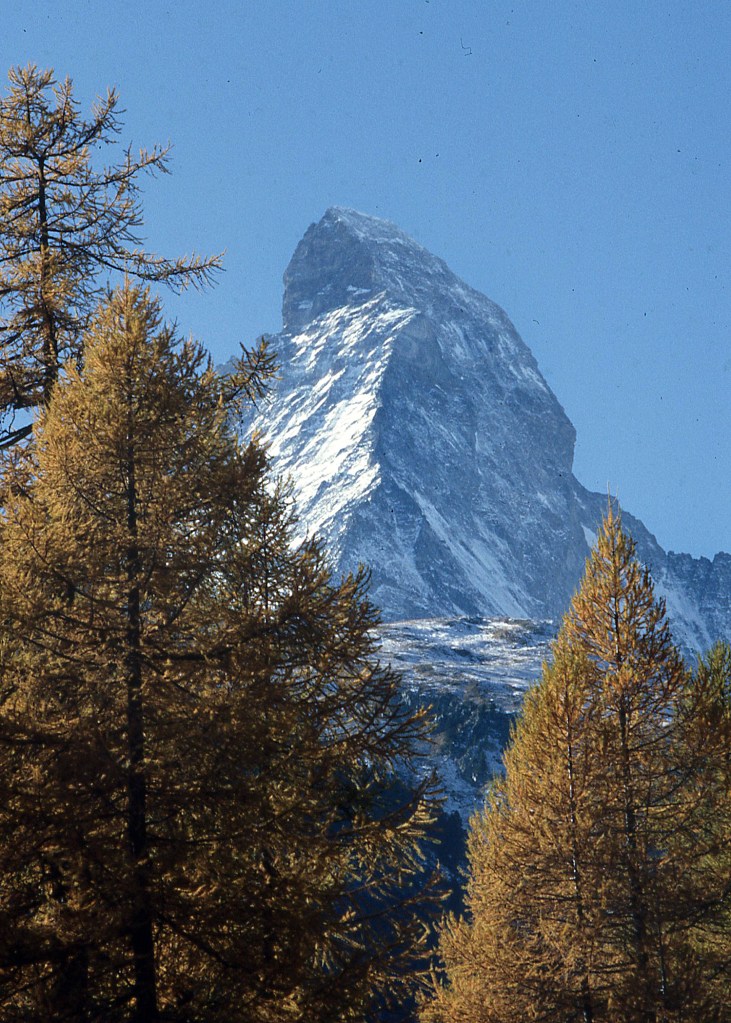
The Redwoods. Check. The Matterhorn in Switzerland. Check. Walked with the flamingos in parade in the Bahamas so that was fun. Never ridden an elephant or a camel but they can stay off the list. I did finally get to go up in a small piper cub airplane with a friend and that was better than I expected. Haven’t been in a helicopter yet. 

We finally saw the Rockettes in New York City and the Christmas Tree in Rockefeller Center, definitely a Bucket List item! And catching a Broadway show was pretty special (considering what ticket prices are like today) but I would still like to see a show in the West End some day. The only time I went to London, going to a theater wasn’t on my list, though I did enjoy the Hard Rock Cafe in Piccadilly Circus; that was definitely a show.

We’ve enjoyed beignets and cafe au lait at Cafe DuMonde and listened to jazz in New Orleans, lobster and cold beer in Maine with fireworks, flamenco dancers and sangria in Spain, and Shakespeare in the Park, but I think it would be fun to experience a Mariachi band in Mexico, or at least in Texas, with a margarita, that would be nice. 

I’ve stayed in a small castle in Austria, a yurt in Maryland, camper trailers and Army tents, cottages and cabins, but I would still like to stay in a treehouse. Also a tepee. 

We’ve been trying to give our granddaughter a variety of experiences that I don’t believe she would normally get (though she has been up in a helicopter, jealous!) New York City, Boston, Las Vegas, Seattle, Portland, San Francisco (hopefully Los Angeles or perhaps London next year). I’m not sure how many more different trips we can take her on but we are hoping to keep up these summer trips with her. At some point it will be fun to see what she puts on her bucket list.

How are you doing on your Bucket List? Making any progress? or are you starting to add more items to the list after checking off others? It’s definitely a lifetime adventure, let me know what you have planned next!

A Singular Vision

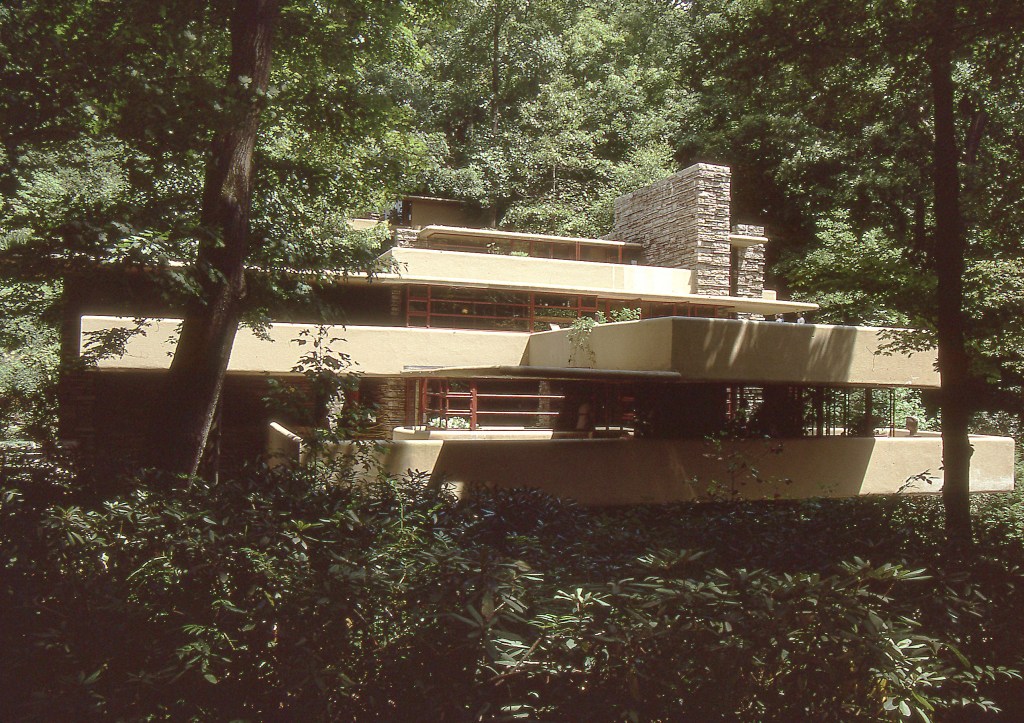
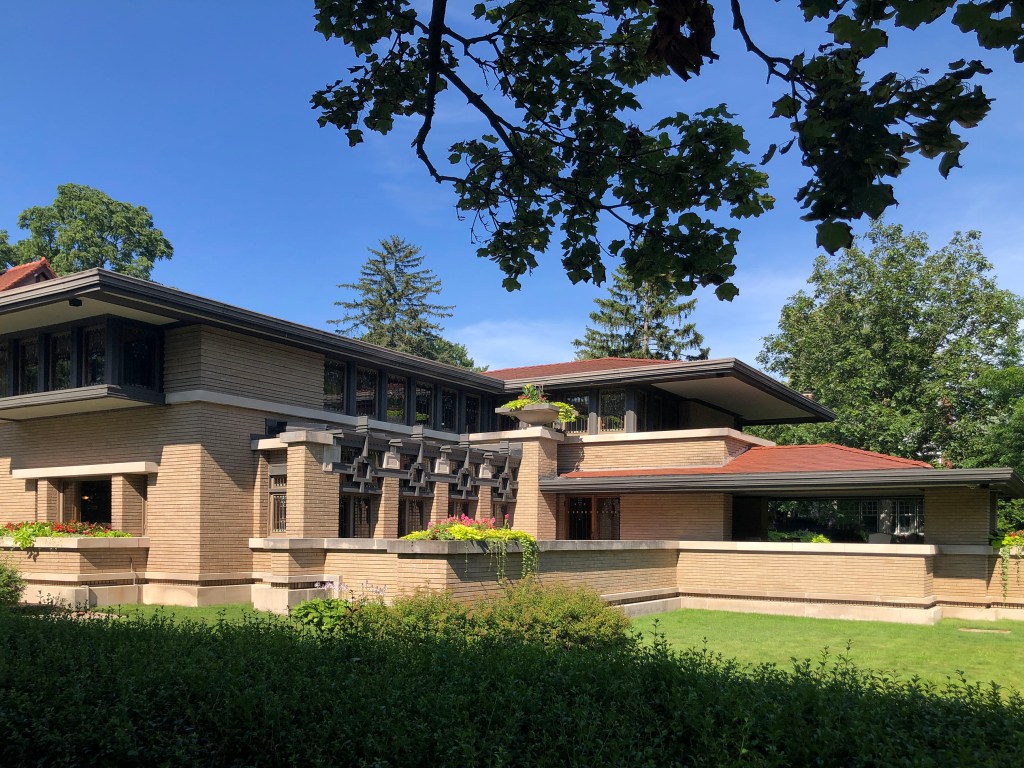
I’ve always appreciated the singular artistic vision of architect Frank Lloyd Wright. After looking through examples of his early work, primarily residences in the Midwest, I was struck by his embrace of modernism over then contemporary building styles. I had toured Fallingwater, the 1937 iconic summer retreat of Edgar and Liliane Kaufmann at Bear Run in Pennsylvania many years ago. Built in 1937, Fallingwater is perhaps one of the best examples of Wright’s mature style and his desire to merge the built environment with nature. 

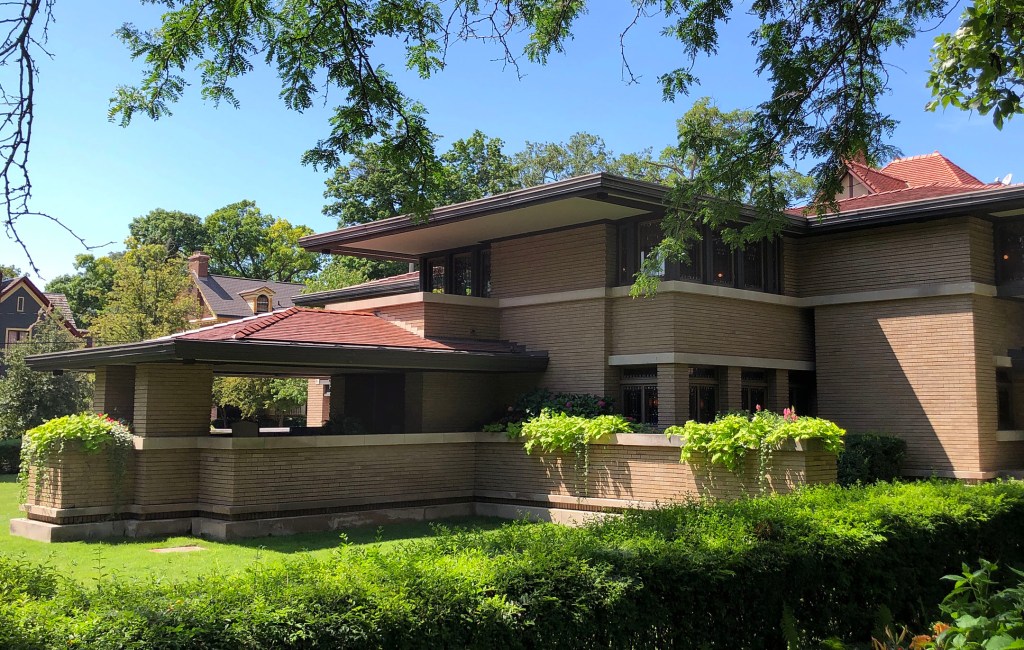
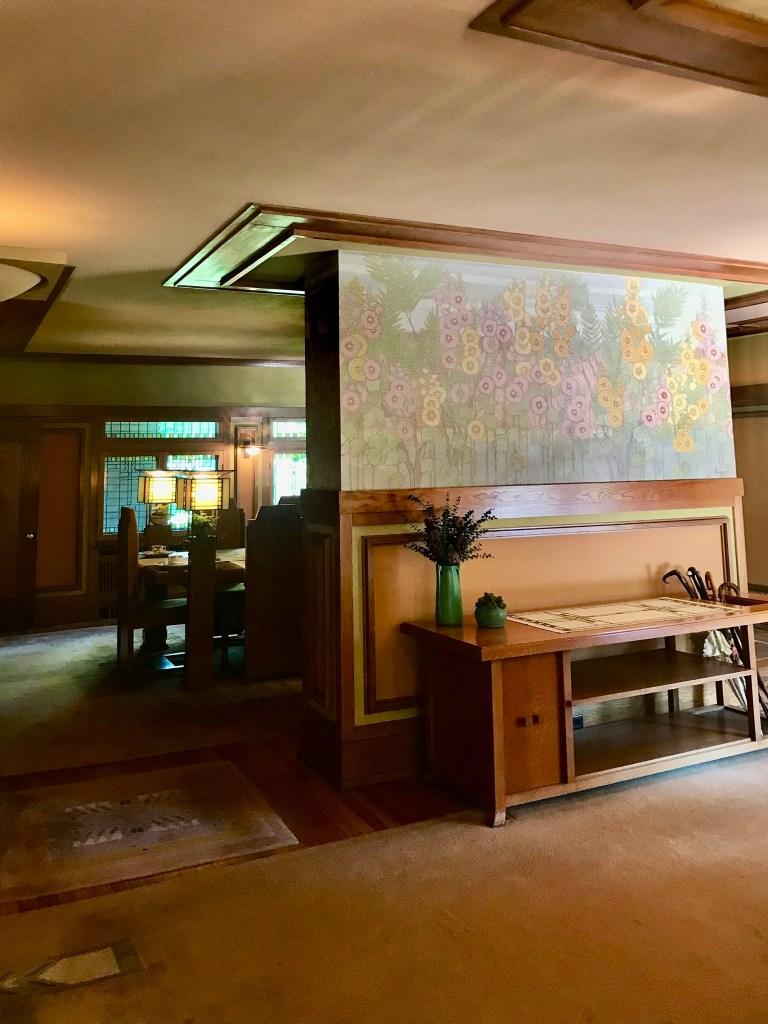
The summer home of Grand Rapids businessman Meyer May and his wife Sophie that he designed and built in 1908-09 is a great example of Wright’s style as it transitioned during the early part of the 20th century. Settled into the community on a street corner, surrounded by other grand homes in the prevailing Victorian and Italian revival styles, his brick prairie-style home, nearly devoid of exterior ornamentation, seems peculiarly out of place. And indeed, our tour docent recounted how his children felt picked upon because they “lived in the weird house.”

The home is a grouping of rectangular volumes and piers, with low pitched roofing and deep overhangs. Unlike the red metalwork of Fallingwater, the copper metal trim work here is a dark brown color throughout that contrasts with the sand-colored brick and limestone. Though perceptably a minimalist structure, it seems to me that the exterior moldings, especially those over the dining room windows, recall Japanese motifs. The overhang on the eaves bears a similar appearance to Japanese pagoda rooflines. Wright had visited Japan in 1905 and his love of Japanese woodblock prints is well documented. According to one website, he first visited the country in 1905 and created an extensive photographic record. No doubt some aspects of his designs going forward incorporated those interests. 

While the Arts and Crafts Movement of the late 1800, early 20th Century anchored his initial designs, it seems that his stripped down mimimalism and incorporation of Asian design motifs (not to mention Native American) really took hold after 1910s Frederick C. Robie House in Oak Park. Again the long, stacked verandas recall the beautiful cantilevered trays of Fallingwater though constructed from brick rather than concrete. Each design features enclosed spaces, whether grand or intimate, that open up from or are connected with other spaces. The effect is a dynamic of seclusion and revelation.

From the Frank Lloyd Wright Trust, “In his design (of the Oak Park Unity Temple), Wright abandoned the use of traditional church features of tower, steeple, and nave, creating a “noble room” in which man could reflect upon God.” This approach to ecclesiastical design has had a profound influence on modern church design, for example the church we attend here in Northern Virginia and built 115 years after Unity Temple.  

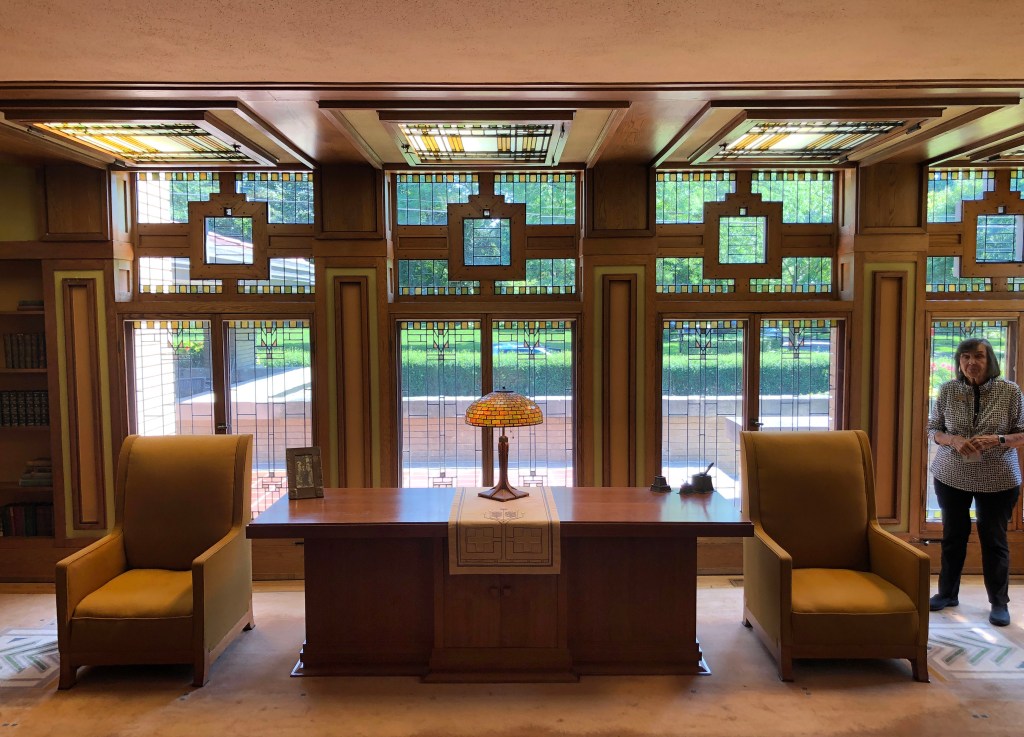
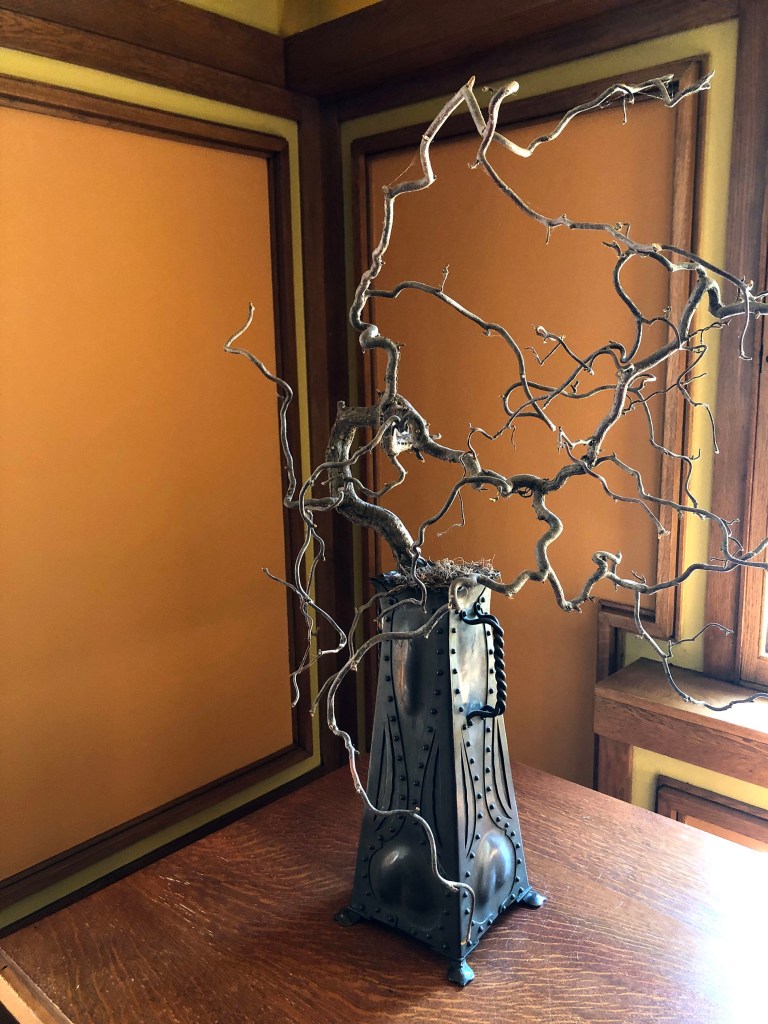
Wright’s pursuit of harmony: exteriors and interiors, ornamentation and furnishings all working together represents an individual who gave attention to details as well as the grand vision. While I personally felt that the Meyer May house showcased too much of the designer and virtually nothing of the home’s owners, his cohesive design can’t be ignored. Everything from carpets to wall colors, woodwork to windows complements each other. Motifs and materials are repeated throughout the building and nothing is placed by accident or without regard to the overall design scheme. 

In 1987 Steelcase, the present owner of the Meyer May property, restored the home to it’s original design (along with removing a later building addition) and sourced either original or replicated furnishings of the time period. It remains a stunning example of one man’s creative vision, though I saw only a few photographs and personal possessions reminding us of the family who had lived there for 27 years. We browsed the gift shop before leaving, of course, and brought home a pair of FLW decorative mugs to commemorate our visit, a tribute to one man’s genius.

Meyer May Merchandise

Faires and Festivals

Years ago, many years ago, back during the early 1970s, my younger brother and I took a road trip in the MGB over to Blackpoint Forest in Marin County, California. It was our first encounter with a Renaissance Faire in the wild as it were, nestled back among the scrub pines and coastal oak trees of California. As I recall, this was during the gas shortages of the early 70s and though Novato was roughly 200 miles from Reno, we must have thought the gas mileage in the MG would allow the trek over the mountains. It did, but the sight of long gas lines was something I remembered to this day. 

My brother searched through his collection of slides from that time and came across these photos of our visit to the Faire. It looks much as I had remembered it.

California’s Renaissance Pleasure Faire originated in Agoura Hills in Southern California in 1963. The one we had attended in 1972 opened its Northern California location in 1967. An interesting article on the history of the faire can be found online here.

Today Renaissance Faires, or Festivals take place across the US, many of the largest being held in North Carolina, Maryland, Texas, Ohio, Wisconsin, New York, Arizona, even Georgia. The Renlist has a great website with listings by state and date. Maryland’s festival at Crownsville is one of the largest, many of which attract over 200,000 visitors over their season.

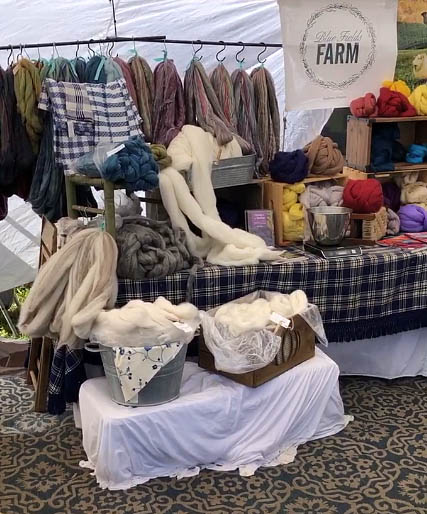
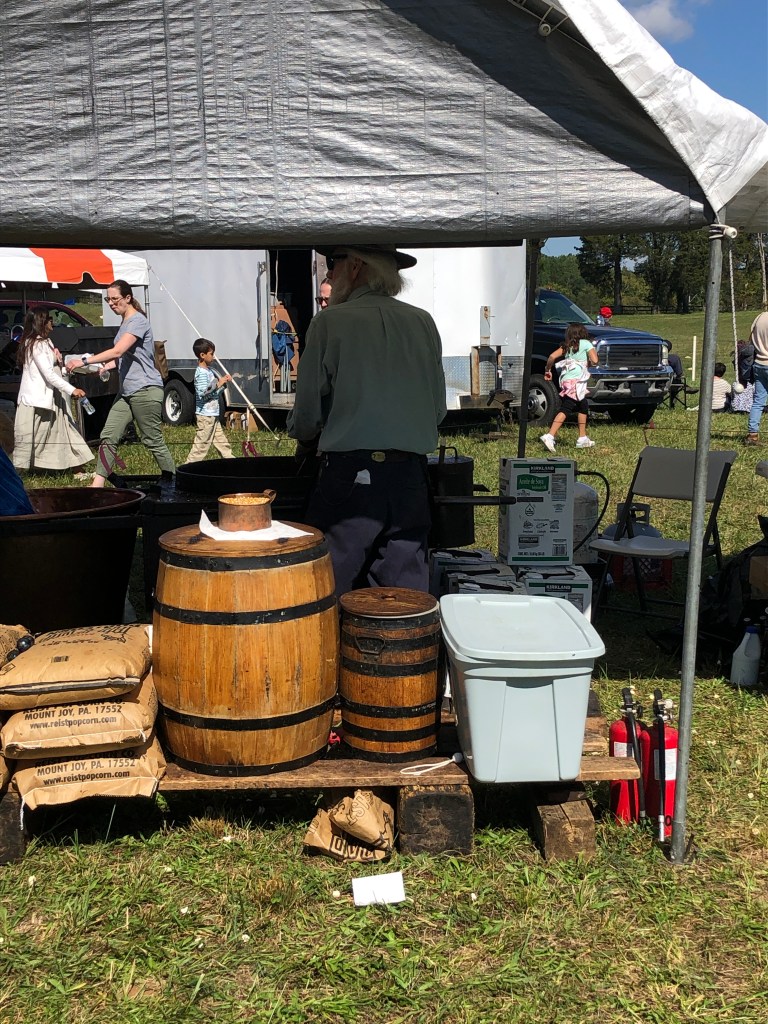
Apart from the lack of period costumes–nearly everyone was in modern dress– and the white tents set up in the field, the Fiber Festival and Sheep Dog Trials we went to recently had much the same feel as the Renaissance Faires I’ve attended in the past. The emphasis here was on homegrown/raised sheep, alpaca, and angora rabbits and the yarns produced from their wool. Whether knitted crafts or woven fabrics, the exhibits and demonstrations would have been right at home with the Renaissance faires and festivals so prevalent across our land. 

There seemed to be a greater emphasis on rich colors in the products being sold compared with the muted tones I remember seeing. In the morning sunlight, knit shawls and scarves shimmered and glowed in jewel tones; yet there were many vendors selling natural or un-dyed yarns for a more traditional homespun-look.

The two-day event was held at Montpelier and attracted quite a crowd. The sheep dog trials were a lot of fun to watch and I can see now where my son’s border collie gets her energy!


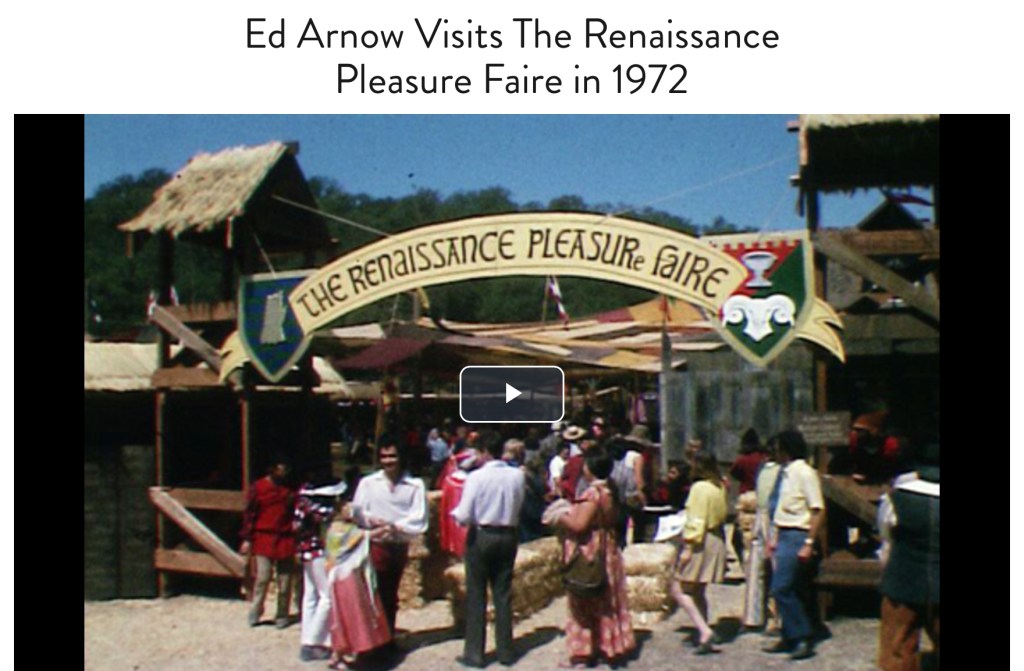
KPIX-TV news footage from September 2nd 1972 featuring a visit by reporter Ed Arnow to the Northern California Renaissance Pleasure Faire, based at the Blackpoint Forest in Novato, Marin County. You can watch the video here, or click the image above to access the San Francisco State University Bay Area Television Archive.

25 TO 50

Magic Kingdom opened October 1, 1971. EPCOT Center opened on October 1, 1982. Disney’s Hollywood Studios opened May 1, 1989 and was the third of four theme parks built at Walt Disney World in Orlando FL. Disney’s Animal Kingdom opened on Earth Day, April 22, 1998, and was the fourth–and to this date the last new theme park built at the resort. They have expanded and added on to their existing properties, closing some or adding on to favorites.

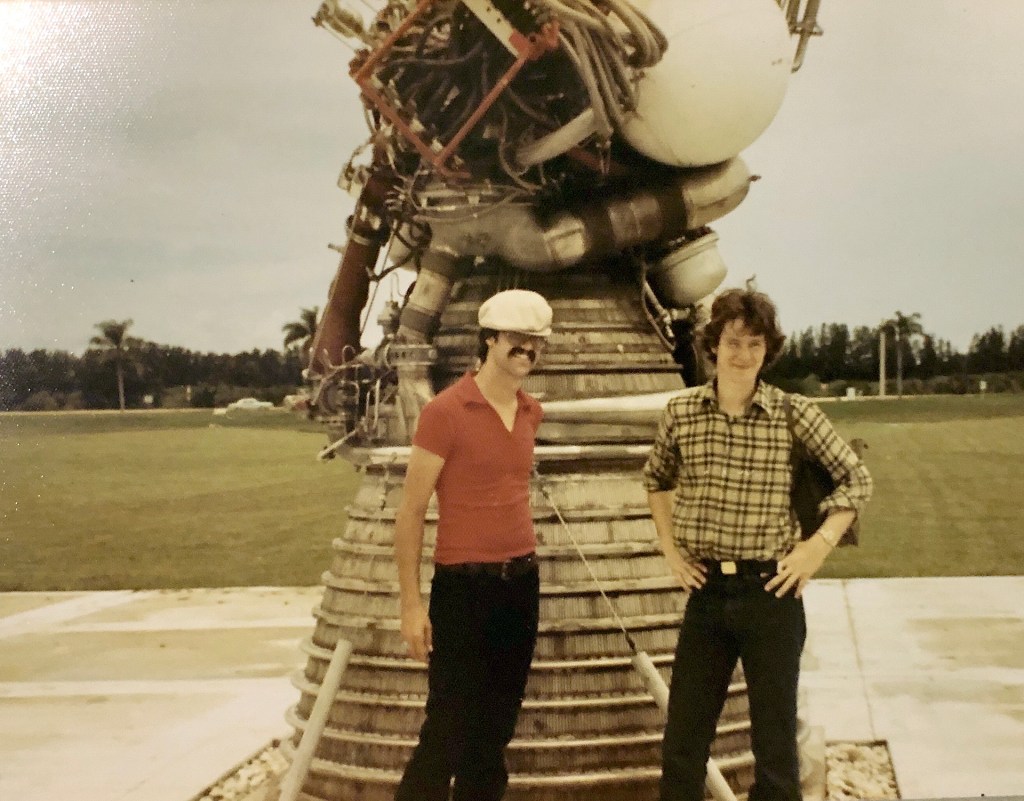
Cape Canaveral 1976

My first visit to Disney’s Magic Kingdom came during the summer of 1976 during my month-long bicentennial bus tour of America. DisneyWorld had opened just five years previously and at that time, only one park was completed. I remember the weather in June was hot and wet. The park was fun, affordable and my friends and I enjoyed it for the day before we took a bus to Cape Canaveral and the Space Center there.

Over the next 21 years three more parks opened, the final one, Disney’s Animal Kingdom opening in April of 1998. 

My wife and I stayed at one of the resorts for our honeymoon in January of 1998. We only have few pictures from that time, and truthfully my memories are somewhat dim, but I know we had a great time visiting the Magic Kingdom, Epcot, and Hollywood-MGM Studios (as it was named then). I remember there being virtually no crowds in January of that year. 

For our 25th anniversary we went back to DisneyWorld. Much has changed since our first visit and, due to their new reservation system, we weren’t able to visit two of the parks. We did enjoy Epcot and the Animal Park. 

In 1997-98 DisneyWorld was celebrating their 25th anniversary; it’s a bit of symmetry that our 25th was celebrated while the parks were still decorated for their 50th anniversary, our silver and their golden. This time I took plenty of photos and we brought home an assortment of mementos and commemorative knick-knacks. Added them to the box labeled “wedding stuff” but I guess I need to update the label.

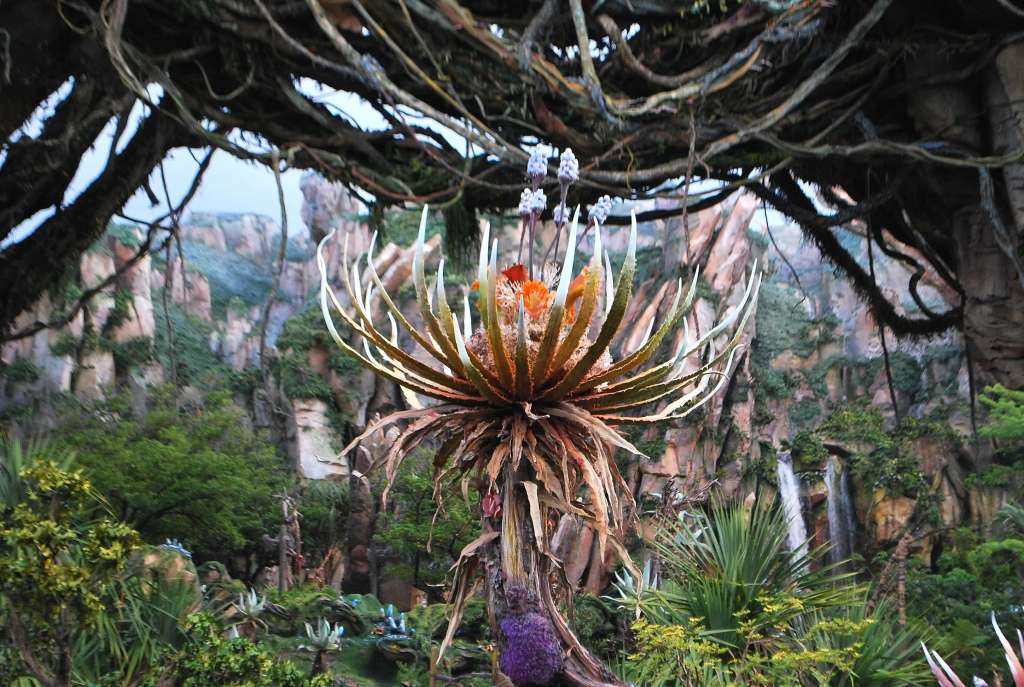
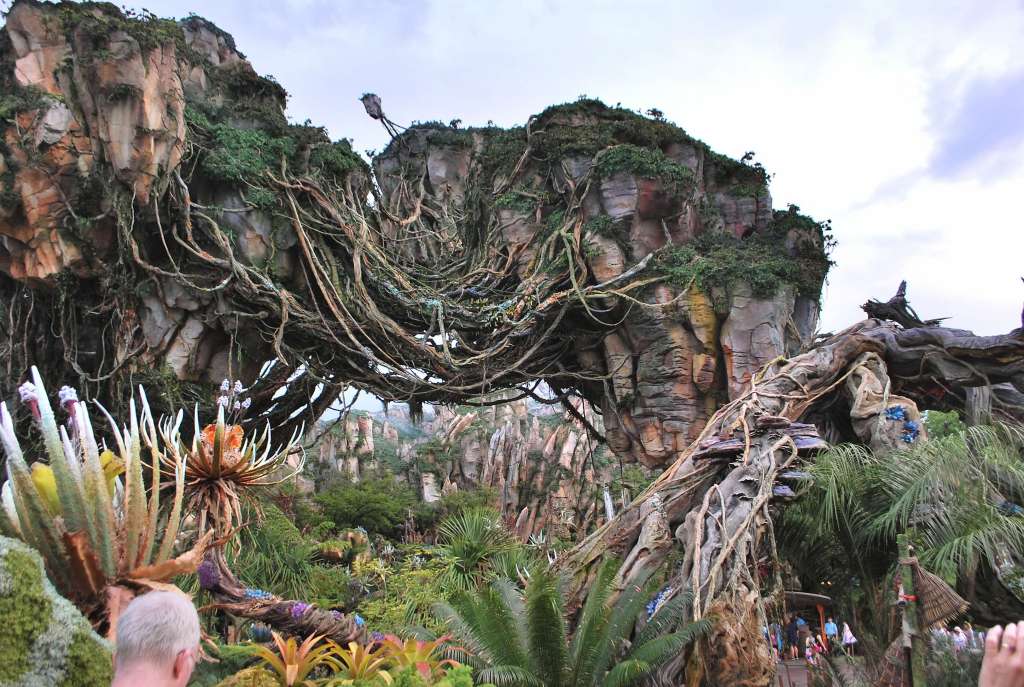
We’ve visited the parks twice before with family, for my 60th and then my 65th birthday. In 2017 Pandora-the World of Avatar had just opened and we were able to experience an area that looked remarkably like the landscape from the movie Avatar, as if the movie set had been brought to stunning life. When we visited again this year, the wait time to ride either experience (Flight of Passage or Na’vi River Journey) was two hours. We had dinner in the canteen, shopped the offerings in Windtraders store.

I have seen and read so much about the Star Wars-themed area in DW Hollywood Studios (Star Wars: Galaxy’s Edge) and the new Galactic Cruiser immersive experience (hotel) I was really excited to see them. However, Magic Kingdom and Hollywood Studios remain their two most popular theme parks and reservations were not available during our stay. Just as well: when I saw the cost of staying in the Galactic Cruiser for two days, I was pretty shocked. It seems like it would be a fun place to bring the grandchildren, very immersive experience. But as I talked it over with my friend Dave later, the family could spend a week at a “fully immersive” Dude Ranch in Colorado for half the cost. Something to think about when planning our next adventure. Galaxy’s Edge, or riding the range in the mountains of the Old West? Got plans for the summer?

Fading Away

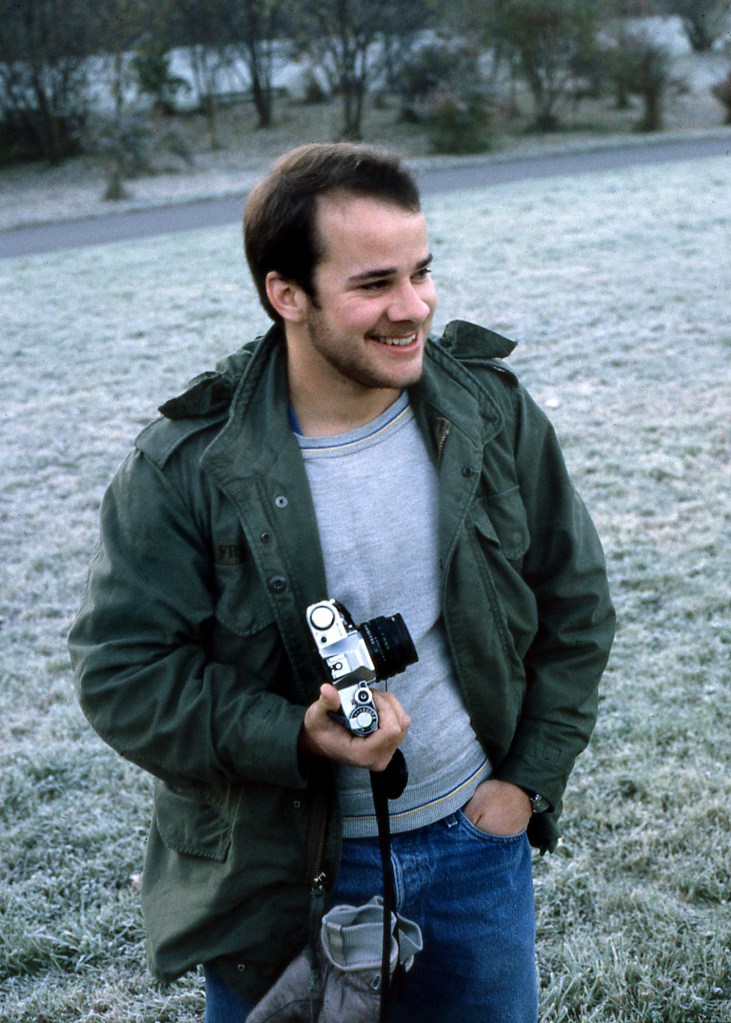
Mark asked me why I took so many photos of places, landscapes, trees, buildings: was I planning on being a professional photographer when I got out of the Army? Really. I hadn’t really given it that much thought. “Why do you take so many pictures of people?” I asked him. Thirty plus years later, I think I am beginning to know why.

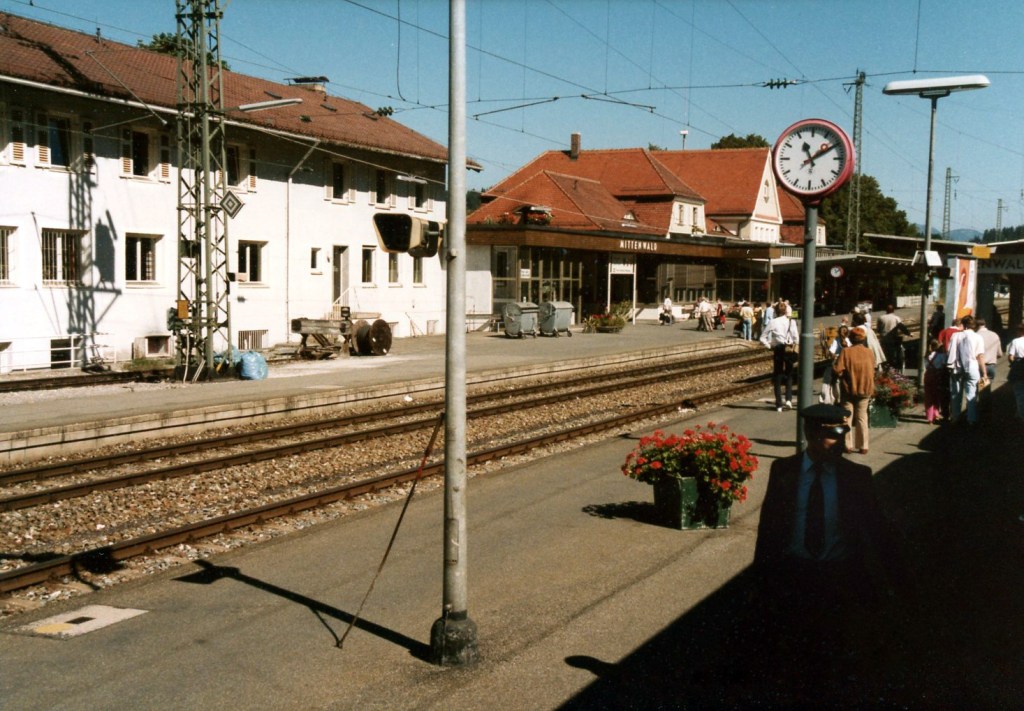
My time as an enlisted soldier stationed in Heidelberg, Germany during the mid-80s was a great time to get out, see the world. Who knew if I would ever be back there again? As circumstances have played out, I haven’t returned. But my brief two years there were filled with work and travel. England, France, Belgium, Austria, Switzerland, and Lichtenstein: these were all a bus tour or train ride away for a weekend visit or a four-day vacation.

Fading away. It’s not just the photo prints that are beginning to fade. Mark convinced me to switch from print film to slide film. The slides from that time still look bright and crisp; the prints have begun to fade, the colors blending towards yellow. Scanning and a bit of photo editing has brought back much of their original color, I think, but I’m not sure.

No, it isn’t just the colors that have begun to fade. It seems I never was one to label things or write on the back of photos (thank you Mom for the photos you captioned years ago!) Looking back, younger Me must have thought he would always remember the names of places he went and the people he went with. And certainly he would have remembered those dates! Not so, not so.

Since the advent of the iPhone, I have used its prodigious data collecting capabilities to help me remember where and when my photos were taken. With facial recognition it helps me search for pictures of my granddaughter or other family members, even geocoding where the picture was taken. 

Like many people, I upload quite a lot of photos to a third party site “in the Cloud.” I have been using Shutterfly not primarily for photo storage but to print out photo books of our trips and family events. For me they have replaced the ancient slide carousel (remember those?) and the boxes of prints that seemed to never make it into a photo album. The books are piling up on a shelf, and I know the children will likely throw them out when I’m gone, but for now they help to stave off the effects of fading memory. Our trip to Spain is up there on the shelf as is my 60th birthday celebration at DisneyWorld. Well, my 70th birthday is also up there,  but who is counting birthdays anymore?!

Old photos fade, memories fade, events recede in time and eventually fade from our recollection.

“The grass withers, the flower fades, But the word of our God stands forever.” Isaiah 40:8

Seeing Double

We lived in several houses growing up in Reno. Until my parents divorced we lived near Wooster High School. Later after my Dad remarried, we lived in a small home off Peckham Lane in the Smithridge area. 

In the living room of both homes we had a fireplace and over the fireplace hung a painting. George Carter painted many Nevada scenes during his lifetime, some of which may have been inspired by Nevada magazine covers. The view of desert and mountains that we have was purchased from him in 1964 while Mom worked at Brundidge’s in downtown Reno. It now hangs in our guestroom and of all the paintings, photos, and memorabilia—this painting most reminds me of Nevada. The dark layering clouds over snow-covered mountains, mountain peaks catching the light, the scent of sagebrush in the dry air.

In my Dad’s home we had a different painting hanging over the mantle. Painted by my stepmother’s sister, Maxine Randall Peters, it depicts a red barn surrounded by gold-leafed trees in autumn, snuggled up against the foothills of Mount Rose. It’s a readily identifiable location in Washoe Valley. It appears Maxine had painted a lake or pond up close to the building in order to reflect the brilliant yellow trees and that gorgeous red color. 

The two paintings capture two very different views of Northern Nevada, one looking possibly towards the Sierra in the West, the other a view of the foothills from Washoe Valley, both areas I was familiar with growing up.

Though I now live in Virginia, my wife and I return often to visit family in Reno. I’ve joined a number of Reno and Nevada-interest Facebook groups, most of which feature photos of the amazing landscapes for which the state is known. Some of the sights are new to me (wild horses seem to be everywhere now, rarely seen when I was growing up there); other photos are of familiar areas such as Pyramid Lake, the Truckee River, or Lake Tahoe.

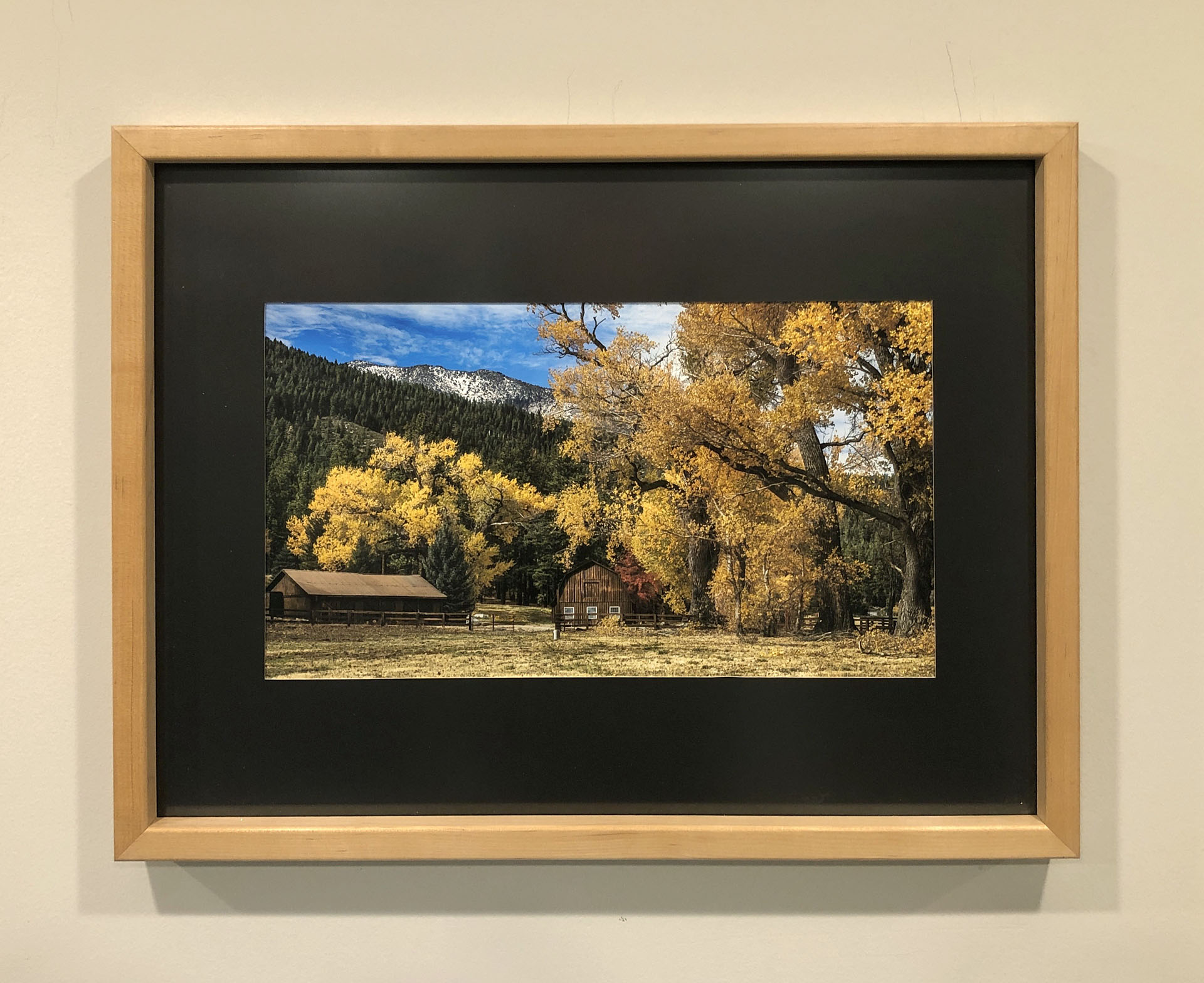
But I stopped immediately when I came across a familiar image on Facebook last month. Incredible! The red barn from my aunt’s painting, pictured in all the golden glory of fall, in a group of photos by an FB group member. Impossible! Maxine had created her  oil painting back in the 60s. The barn was old then, how could it still be standing?! I’ve framed the photo and it now hangs in my Nevada-themed guestroom. It’s a brighter version of the scene Maxine painted years ago; the cottonwood trees dominate the image and nearly obscure the barn at the center of the photo. The barn isn’t red like our painting; perhaps it never was, maybe that was just another embellishment of the artist. I like it.

While I was searching online for more photos by Lee Molof, I came across another painting by George Carter dated sometime during the early 1960s. And then another. A third and now a fourth.

All five images bear striking similarities: the pyramid-shaped mountain in the middle ground, mountains to the left of the image, sagebrush in the lower right foreground. All of them are overshadowed by immense cumulonimbus clouds. Of the four, I prefer the overall coloring in ours: the coral-tinged mountains are a little closer to the viewer; the arroyo or dirt road in the center has a slate grey that mimics the snow covered mountains in the distance. Orange flowers dot the foreground and place the image as perhaps early spring, snow hasn’t yet receded from the mountain peaks.

I’m curious to find the original location that Carter used as reference material. If it is indeed from a Nevada magazine I would like to get a copy of it, perhaps a nicely framed photo to go with our painting. If civilization and the expansion of Northern Nevada suburbs haven’t destroyed the view, I think it would be great to pair the photo and the painting in the same room. It’s a bit of Double Vision, a nod to the past as well as the present. I like it.


Just to be clear, I don’t own the four paintings in the collage above. All of them were found on online art auction sites. In most cases, Carter oil paintings sell in the mid $500-800 range. Mom says she paid $30 for ours and bought it directly from George Carter when he would come in to Brundidge’s for art supplies or to have paintings framed.