They Were Pioneers

She was born July 6, 1899. Today she would have been 125 years old; as it was, she outlived my grandfather by 24 years and was just shy of her 100th birthday by two months when she died in May 1999.
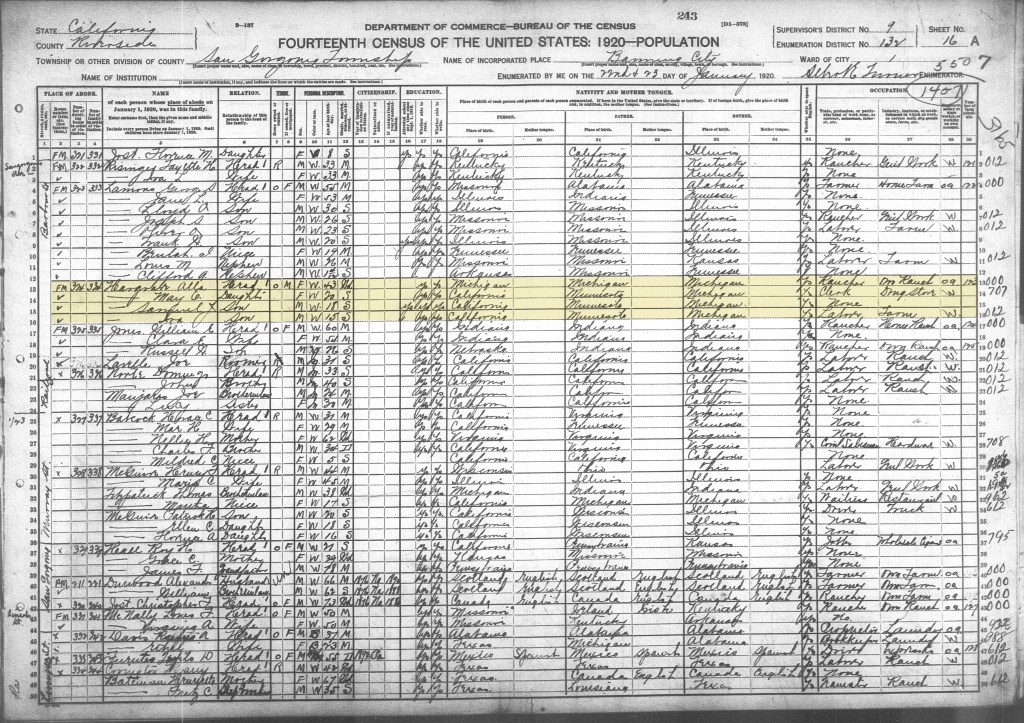
Ira Hargrave was a fruit farmer in San Gorgonio Township, Riverside County, California according to the 1900 Census record. He died Christmas Eve in 1903. The 1910 US Census lists my grandmother then ten years old and her brothers Jay and Ira, eight and six years old. Her mother Betsy Alavander “Alla” Blackburn is listed as head of household in 1910, a fruit farmer. Later years her occupation would be rancher. Youngest brother Ira was born January 13, 1904, three weeks after his father had died (24 Dec, 1903).

San Gorgonio township in Southern California which included Banning had a population of 356 in 1900. By 1920 the population had risen to 2,507 (US Census documents). It’s hard to picture how a young woman from such a small agricultural community was able to attend the University of Southern California in that time period: our preconceptions of the era might have us believe that “a woman’s place was in the home.” Never-the-less, Emma May Hargrave managed to graduate high school and was awarded a degree from USC School of Pharmacy in 1924.

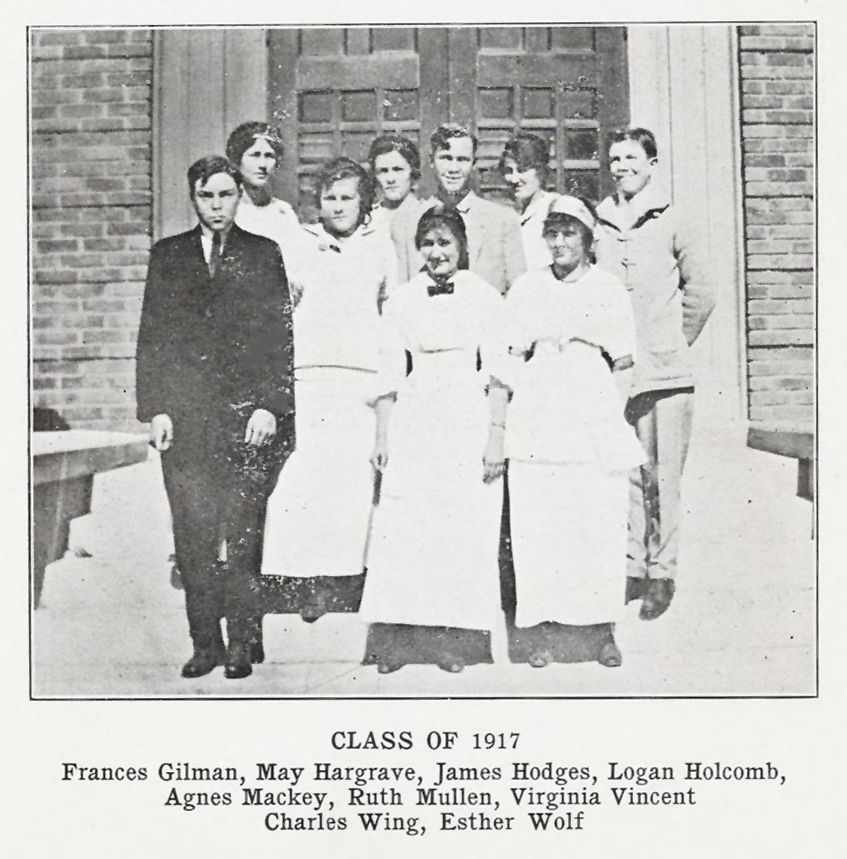
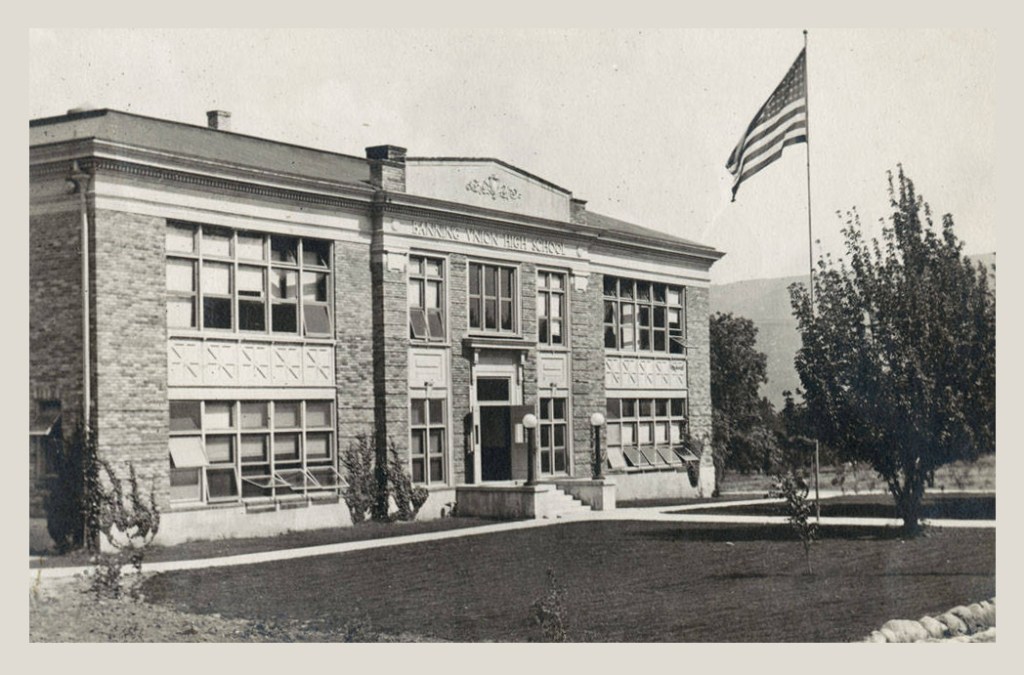
1917 was a small graduating class in Banning Union High School. In the photo above, Emma May stands in the backrow, one of six women in a class of nine. (photos from Calisphere). Three years later, in 1920, Emma was working as a clerk in a drugstore. My grandfather Ralph Allan Hilbig is listed in the 1923 Redlands City Directory; Ralph was working at DH Frazer Pharmacy at that time, some 20 miles northeast of Banning. This might have been where he met Emma after his first wife passed away in 1922.

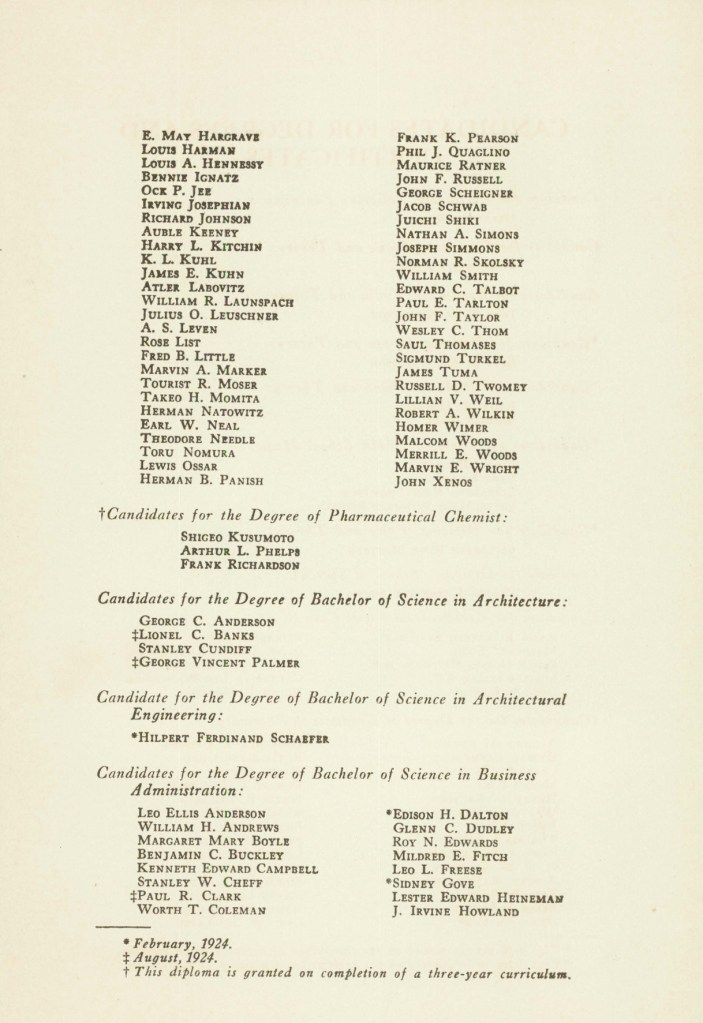
Emma May (Hargrave) Hilbig graduated with a degree of Graduate in Pharmacy from USC in 1924, married my grandfather that same year and became stepmother to his two children from an earlier marriage. Two years later my father Floyd Allan was born, and then the twins. By 1933 the San Bernardino, California City Directory has them listed along with their son Ralph with Hilbig’s Pharmacy which would service the surrounding area for many years. Emma Hargrave Hilbig grew up as a daughter of a single mother. They were pioneers, I tell you.

Counting by 50s

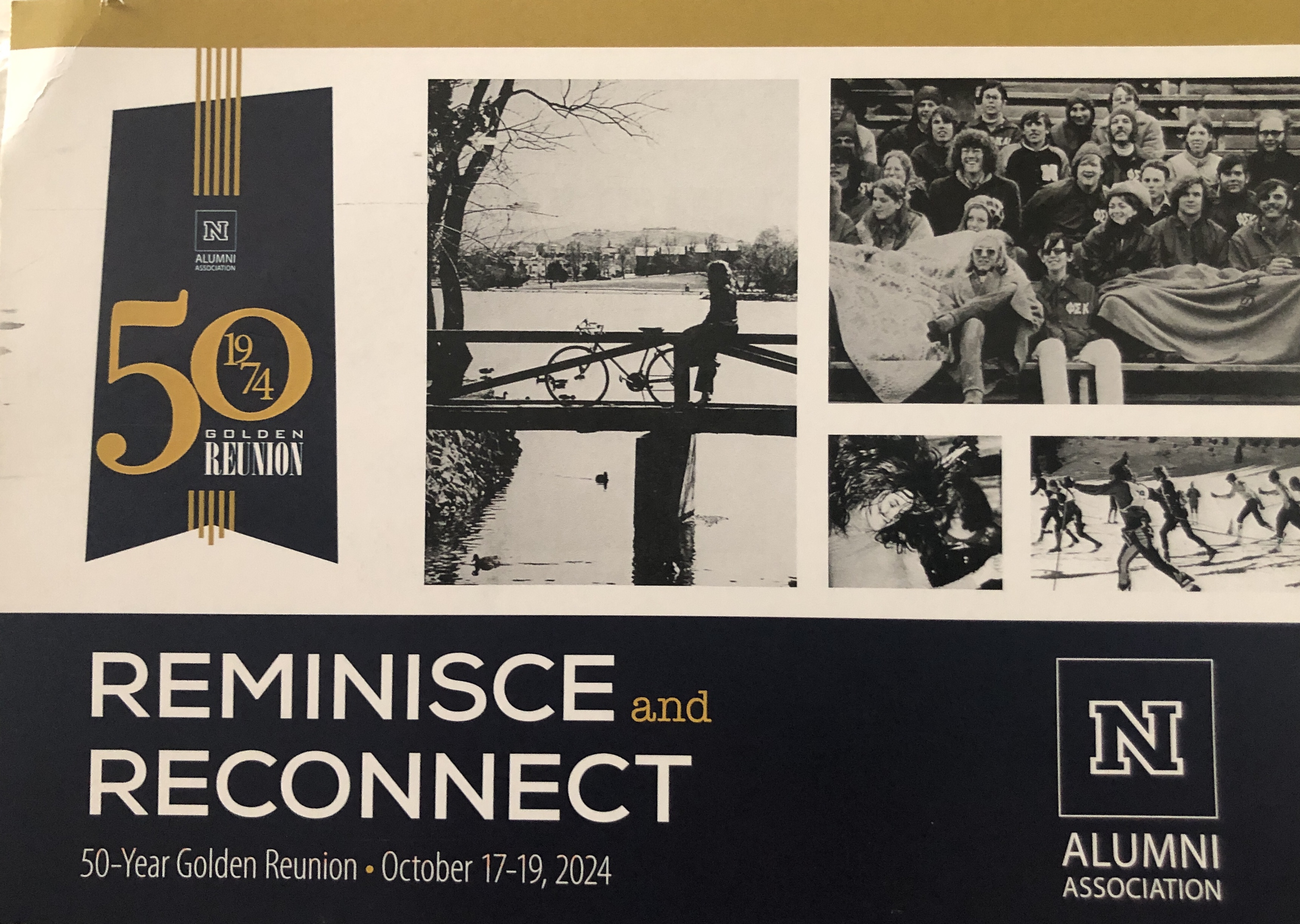
This week I received a postcard invitation in the mail. Reminisce and Reconnect, 50-Year Golden Reunion from the Nevada Alumni Association. I graduated from the University of Nevada Reno in May 1974. But has it really been FIFTY YEARS? It doesn’t seem possible. The University of Nevada, Reno first welcomed students to classes on Oct. 12, 1874. Starting last year on Oct. 12, 2023, the University kicked off the yearlong sesquicentennial celebration through October 12, 2024, the date marking the 150th anniversary. https://www.unr.edu/celebrate150 

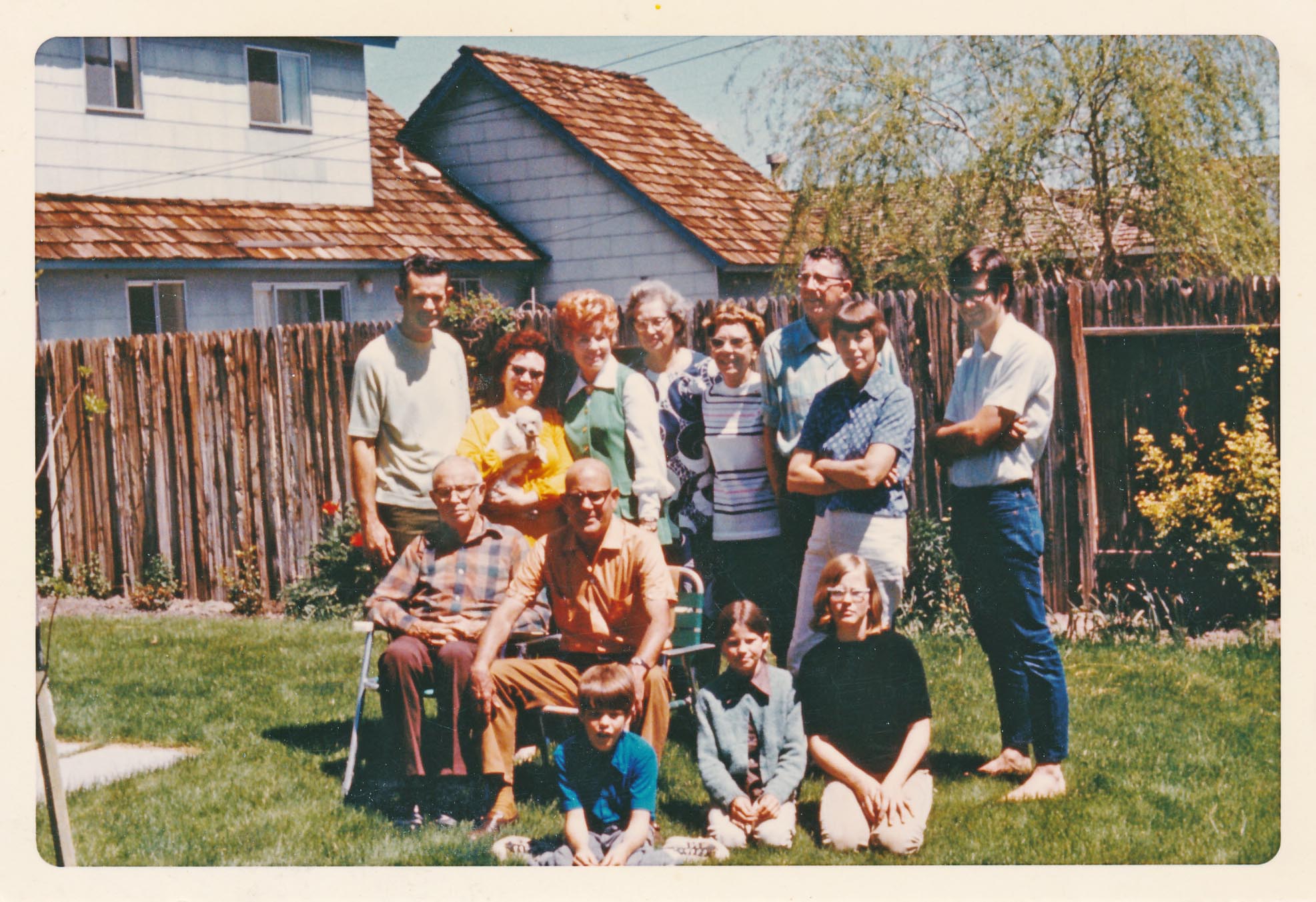
I ‘ve been going through a few old family photo albums recently. I came across a snapshot taken in our backyard in Reno. I remember all the faces though now more than half of them have passed on. It was June 1971-an early celebration of my grandparent’s 50th wedding anniversary which would be in June of 1974. My Dad’s sister was there along with my cousins. My Dad’s older brother Ralph and his wife Lucy, his older sister Gwen and her husband Frank. A cute white poodle. Hard to believe that Ralph and Emma May Hargrave were married the 29th of June 1924, a full century ago, and that it was his second marriage, his first wife having died in 1922.

In researching about my past and learning more about my grandparents, I was surprised to come across their college graduation programs online. Though the university they attended was quite a bit smaller in the early 1900s, the University of Southern California even then kept great records. 

My grandparents were always very encouraging of the grandchildren getting a college education and now I see why. It goes without saying that their children did. It’s ironic to me that my grandmother never mentioned her own graduation 50 years earlier. What class.  A special note: my uncle Ralph Jr. graduated from the University of San Francisco with a degree in pharmacy and later took over the pharmacy my grandparents had opened in San Bernardino, California.

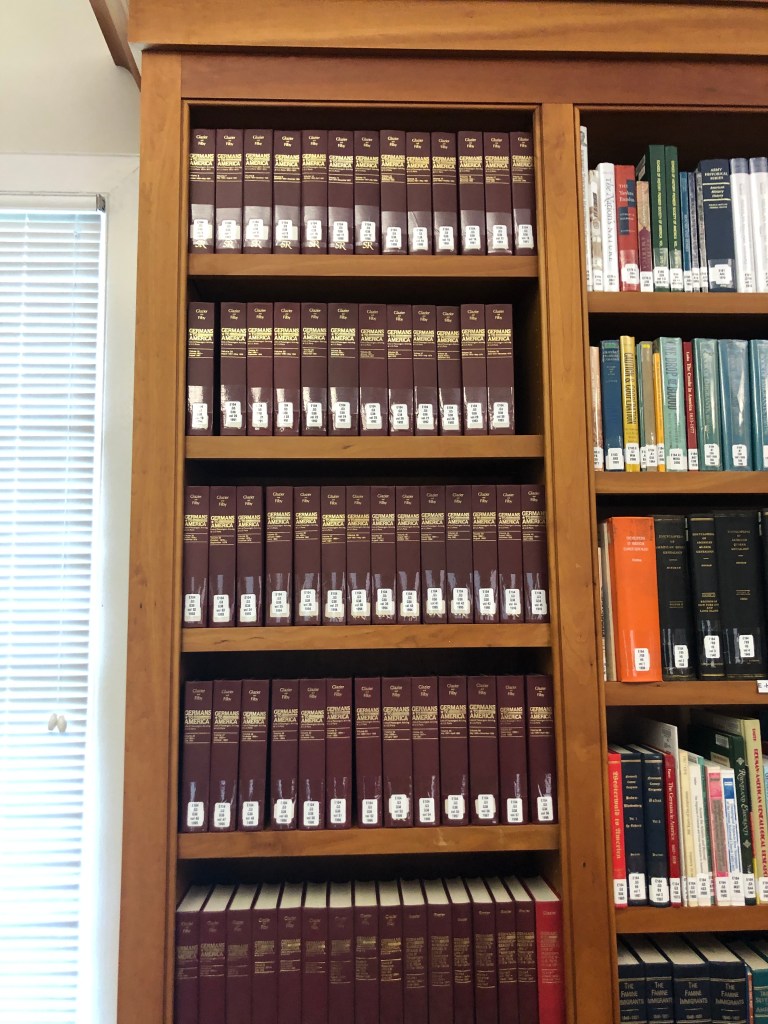
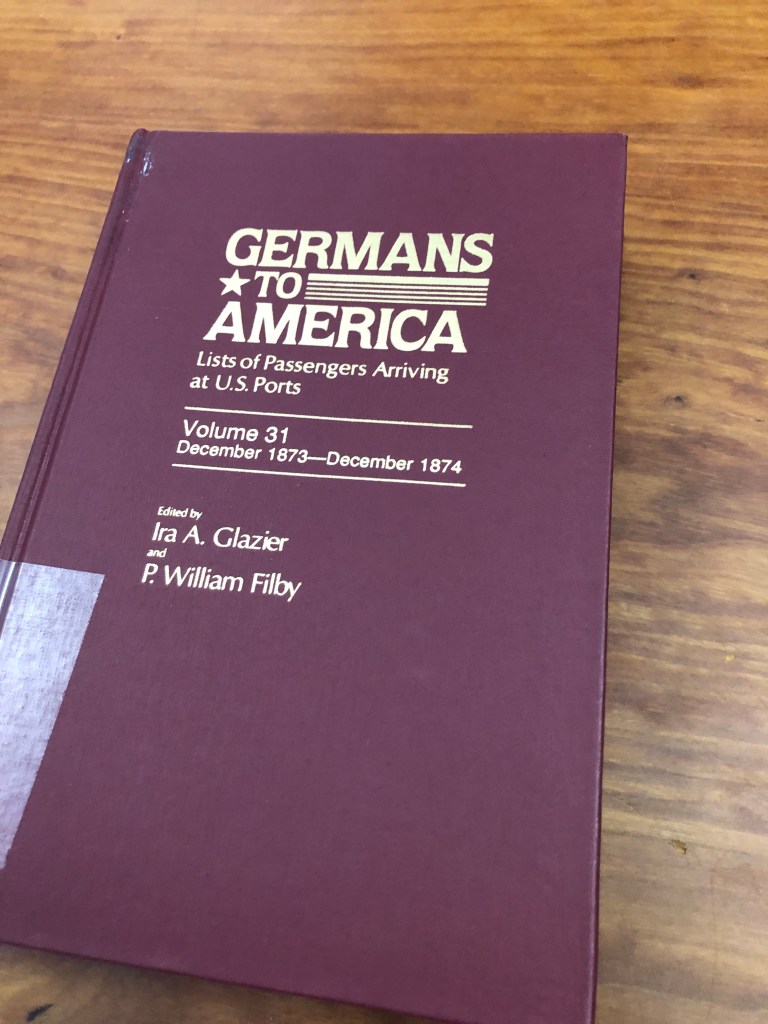
My Great Grandfather Paul Herman Hilbig immigrated to America in November 1874. In searching through the collection “Germans to America'” at the Thomas Balch Library in Leesburg, I finally tracked down the ship my great-great grandmother, husband, and family arrived aboard and the date. If my gg-grandmother’s husband Charles Benning had adopted my great grandfather, our surname would have been Benning. He didn’t and the Hilbigs are celebrating 150 years in America this year, our own sesquicentennial!


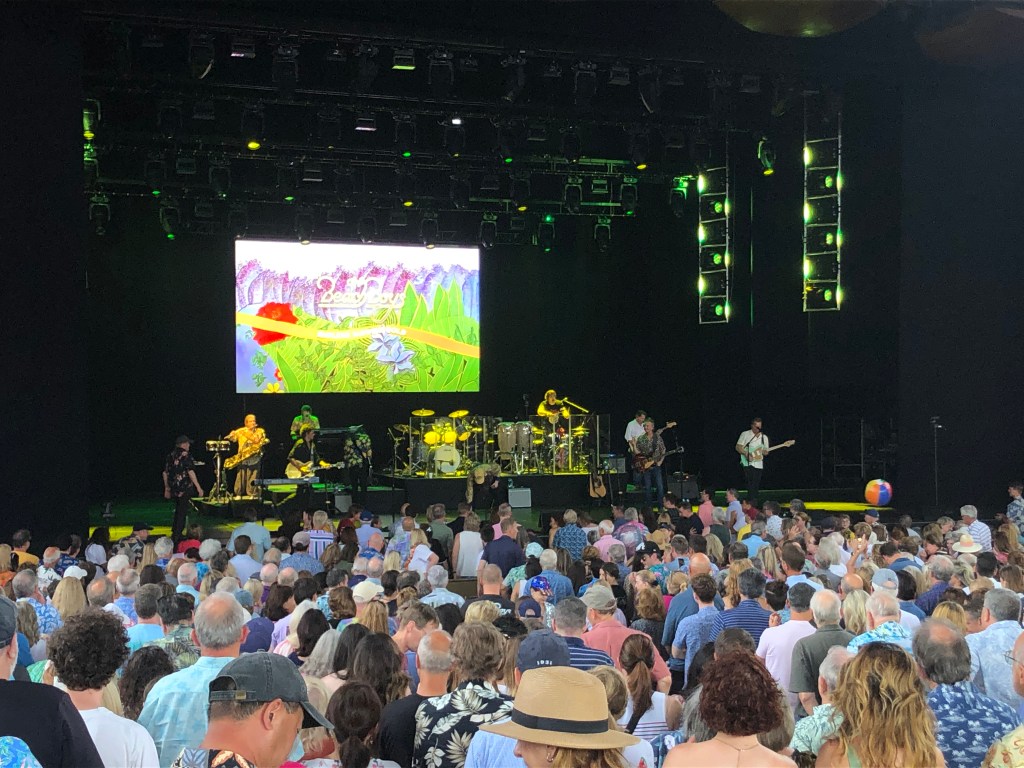
In June 1974, The Beach Boys released their triple-platinum compilation album Endless Summer. This year the band is touring with their Endless Summer Gold show and frontman Mike Love does a great job bringing back those songs with original bandmate Bruce Johnson and a group of musicians (including John Stamos) who bring a lot of energy to these memorable classics. I confess it was my first time seeing the band but I loved hearing the songs I grew up with! Fifty years ago, what a summer.

Coming to America

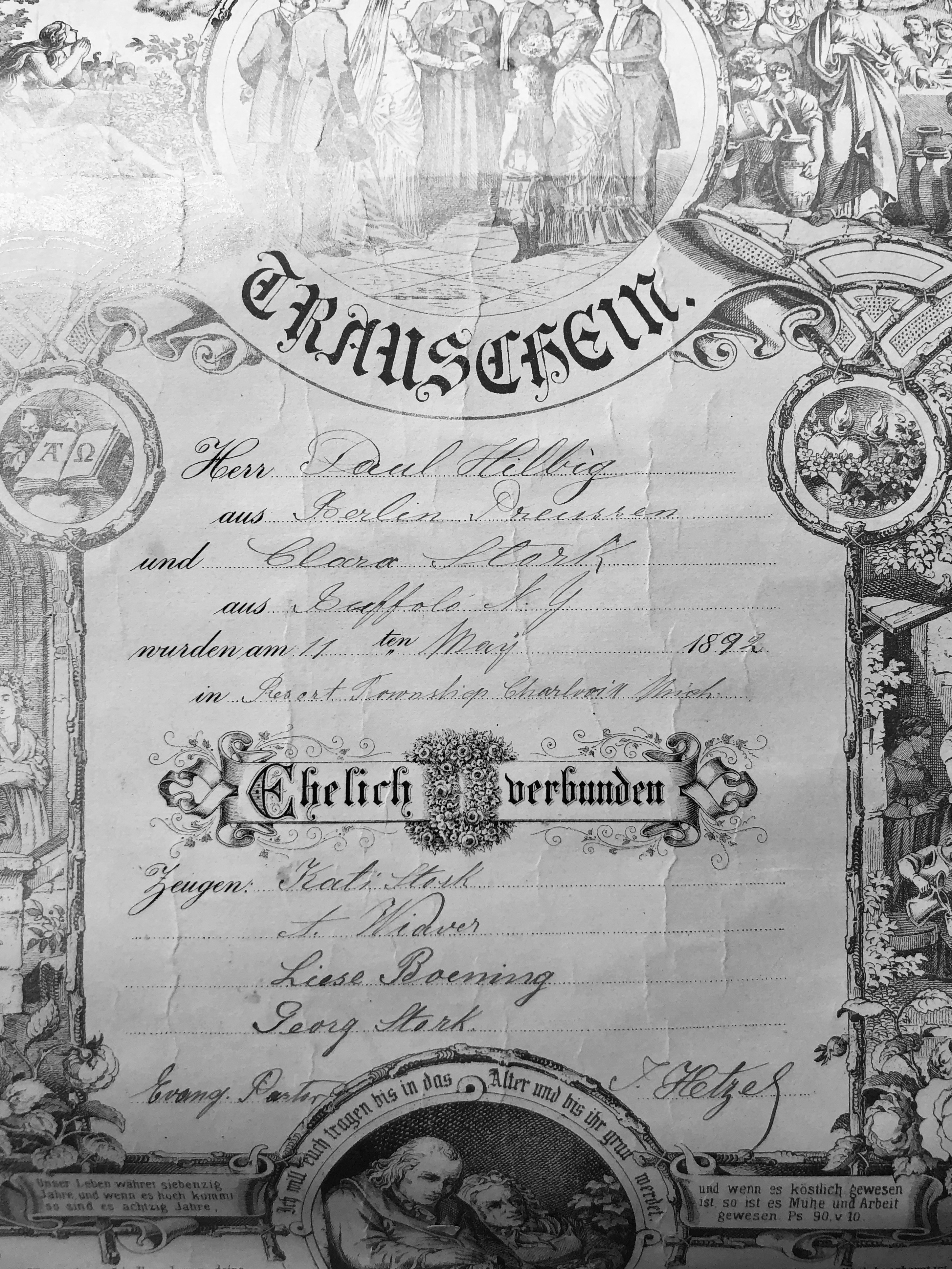
It started with a name on an antique document, well two names actually. The document is the German-language wedding certificate of my great grandfather and grandmother, Paul and Clara (Stork) Hilbig from 1892. There are the usual witness signatures and the pastor’s name as well: J Hetzel. And a second name I couldn’t quite make out: who was this Leisa Boening? Why was she included on the certificate? A bridesmaid or cousin of the bride perhaps? And who was the pastor, J Hetzel? The name of the church wasn’t included in the document but since I had a timeframe and approximate location, I had enough to begin my research.

The document indicates the wedding was performed in Resort Township, Charlevoix, Michigan. A quick Google search and it turns out that Resort Township is next to Petoskey Michigan which is where my relatives originated. Family legend was correct in that regard, though Resort Township is now included in neighboring Emmet County, no longer a part of Charlevoix. 

My family name is German, again family lore has us coming from Berlin, Prussia sometime in the late 19th century with the great wave of German immigrants. We’ve never had a year for that though it had to be between 1893 when my grandfather was born here in the States, and 1870 when his father was born in Prussia. 

Many of the German immigrants were Lutheran and so it seemed like a safe assumption that my great grandparents were married in a Lutheran church near Petoskey. On Google maps I located Zion Lutheran Church and emailed them for any information they might have from the 1890s and if J. Hetzel could have been their pastor. It turned out he hadn’t been, but the church administrator referred me to the Petoskey Museum website which might be helpful for further research. And it was. 

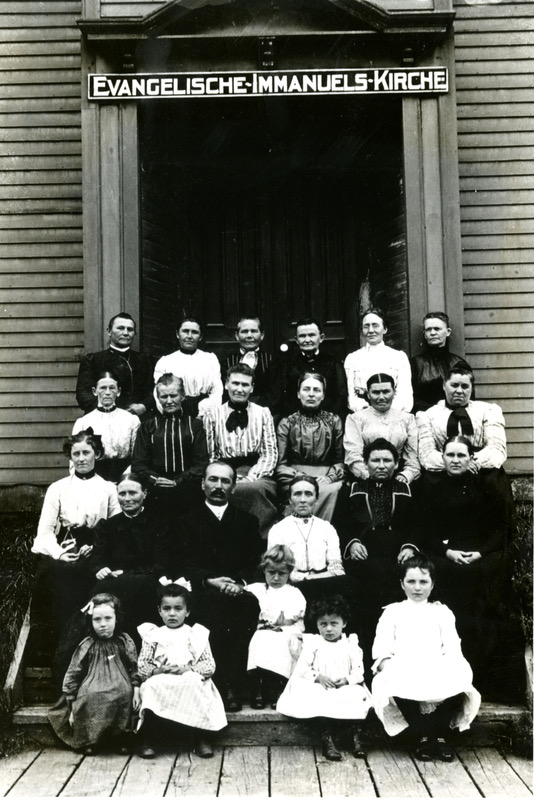
Looking through their online photo archives I found an image of a group sitting on the front steps of Evangelische Emmanuels Kirche. The caption named the individuals in the photo which included Pastor Hetzel; Mrs. Hetzel; and their daughters ; Lydia Hetzel; Frieda Hetzel.

“Women on the steps of the Evangelische Immanuels Kirche. November 8, 1861.,” Little Traverse Historical Society Collection https://collections.petoskeymuseum.org/items/show/2262.

So now I knew the pastor’s first name and more importantly the name of his church. A quick Google search for that name in Petoskey revealed Emmanuel Evangelical Church. After finding their website, and reading through their history page, I was pretty confident that this was the same church from 131 years ago. Amazing. I contacted them through their website and was surprised to not only receive an email from their current pastor but a phone call as well confirming that, indeed pastor Jacob Hetzel had been their pastor during the 1890s and that today they continue to hold services in the very same building. 

Emmanuel Evangelical Church, Petoskey MI (website: https://www.meetemmanuel.com)

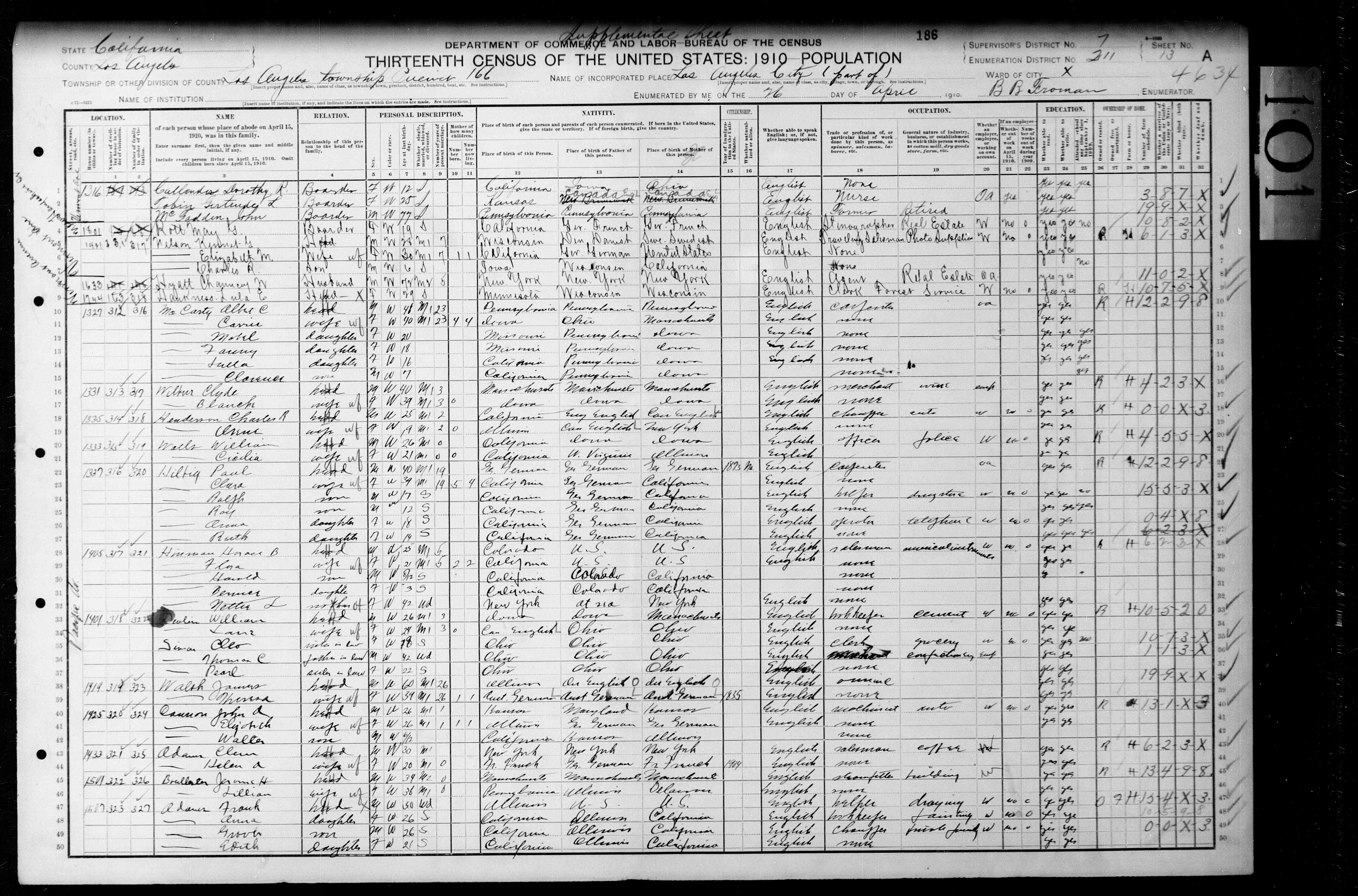
But what of the second mysterious name? Who was Leisa Boening? Searching through online census records, I found the Boenings living in Petoskey in 1880. Leisa was the daughter of Charles and Mary Boening, both born in Germany and having immigrated to the US in 1874. There were seven children listed on the census record, three of whom had been born in Germany and four in New York. 

Surprisingly my great grandfather’s name was included as a son; even more surprising to me was the addition of a brother two years older than he, also born in Germany. And a sister, Anne born in Germany as well. My genealogy had just become more complicated! Who ARE these people? And more importantly, how and when did they come to America?

June 1880 Census, Michigan

More research has yielded some surprising finds. My great great grandmother had married her husband, Carl August Hilbig, at Luisenstädtische Kirche in Berlin (which was destroyed in the Allied bombing in 1945). They had two children, Herman August and Paul Herman, born in 1868 and 1870 respectively. Carl Hilbig died in 1871 and Mary (Maria ) remarried a year later to Charles Boening. The boys’ sister was born the following year, in 1872. In 1874 the family set off for America and lived for a period in New York state before settling down in Michigan where they had four more daughters. Leisa and her twin Lizzie were born in 1874, their younger sisters in 1876 and ‘78. 

There is still much to learn about my family’s early history. Apparently they lived somewhere in New York state between 1874 and 1880, after which they relocated to Michigan. But where had they lived? And what did they do? Charles Boening is listed as a farmer on the 1880 census. Sometime before the 1910 Census, the entire family relocates to Los Angeles where we pick up the story as it relates to my Grandfather and his descendants.

1910 Census, Los Angeles

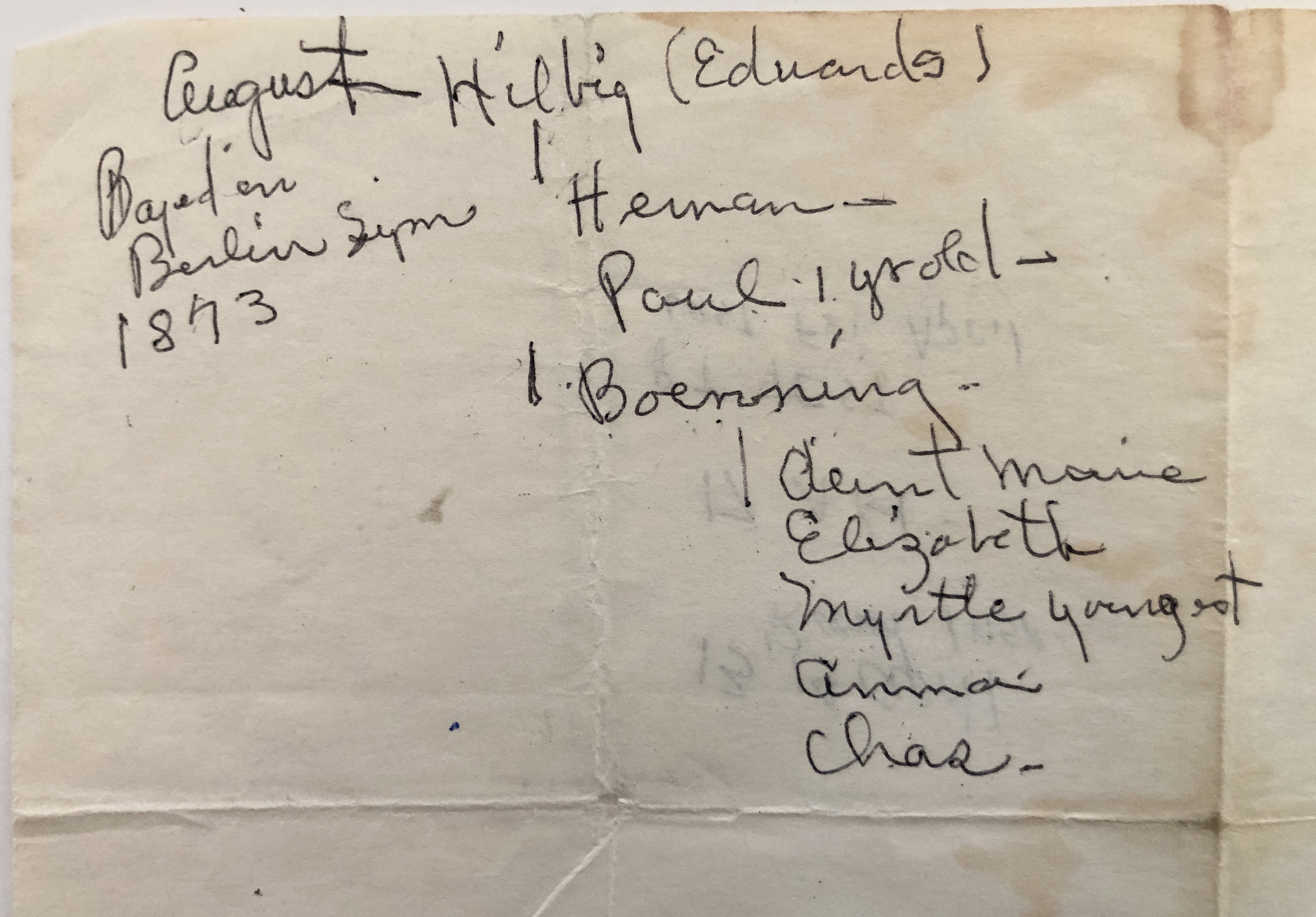
Before leaving for my Army post in Heidelberg, Germany in 1984, my Grandmother penciled a rough genealogy for me in a note which I have carried around for the past 40 years. It is only now beginning to make some sense: I know who the Herman is who is listed above my great grandfather Paul. Not sure what the date 1873 refers to as Paul was born in 1870. Regardless, it has been quite the journey of discovery as I learn more about their Coming to America story.

Note: Census photos taken from https://www.familysearch.org/

Goes Around

I’m listening to Sting on a bluetooth speaker upstairs here in our living room. Sting is downstairs in the family room, the album Sacred Love (one of the many I ripped from my CD collection) is playing from my Mac mini. I’m lazy so I’m using the iTunes Remote app on my iPhone to choose my albums from the music library on my computer.

The last vinyl album I purchased new was Dire Straits’ Brothers in Arms. According to Wikipedia, Brothers in Arms was the first album to sell one million copies in the CD format and to outsell its LP version. That was 1985, almost 40 years ago. From then on, all I purchased were CDs. But then sometime after the introduction of the iPhone, iPod, and music streaming music services takeover, the vinyl LP began to make a surprising comeback. 

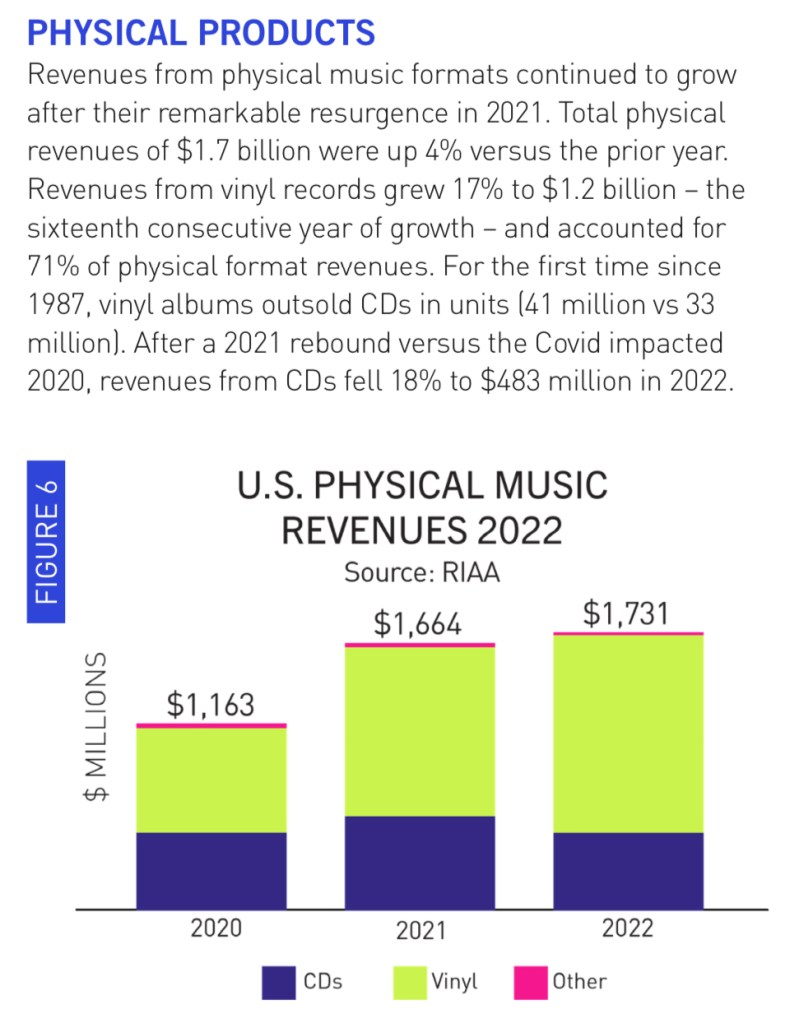
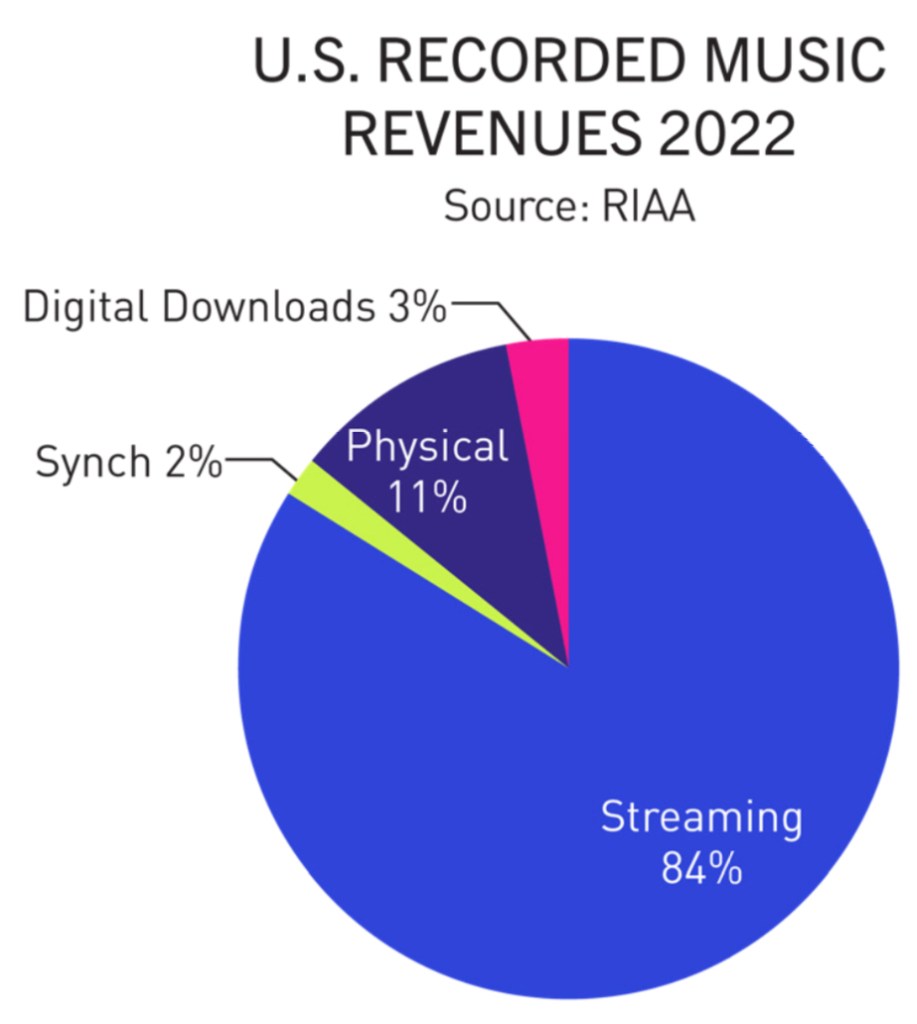
Apparently the CD is now on the decline with a resurgence in vinyl. The Recording Industry Association of America (RIAA) notes that in 2022, vinyl sales topped 41M units while CDs came in at 33M (PDF). But where are streaming services in this musical mixture? Well, streaming was 84% of music revenues in 2022, still the dominant force in the music industry.

I note all of this because, in my desire to continue to downsize and “ronny-kondo” the office, I thought it would be expeditious to rip all of my CDs to a hard drive and get rid of all those pieces of plastic. So in 2017 I ripped all that I had and stored my music on an external WiFi capable hard drive. I had intended to link to the hard drive thru my iPad and treat the drive as if it were a CD jukebox, all of my music available at the tip of my fingers. Glad I saved the CDs! the software to access the mp3 files on my hard drive thru the iPad no longer worked. And when it was working, I had a hard time keeping the two of them linked on my network.

So we are back to playing the CDs on the only remaining player in the house. I had to purchase an external DVD player for the Mac mini since it didn’t come equipped with one. And those albums? The ones we got from my Father-in-law are out in boxes in the shed. I think my wife’s brother will be stopping by to pick them up for his vinyl collection. But I don’t think I will be copying and saving them. What’s old is new and what goes around eventually comes back around.

Oh, Christmas Tree!

Are you Team Fir? or Team Faux?

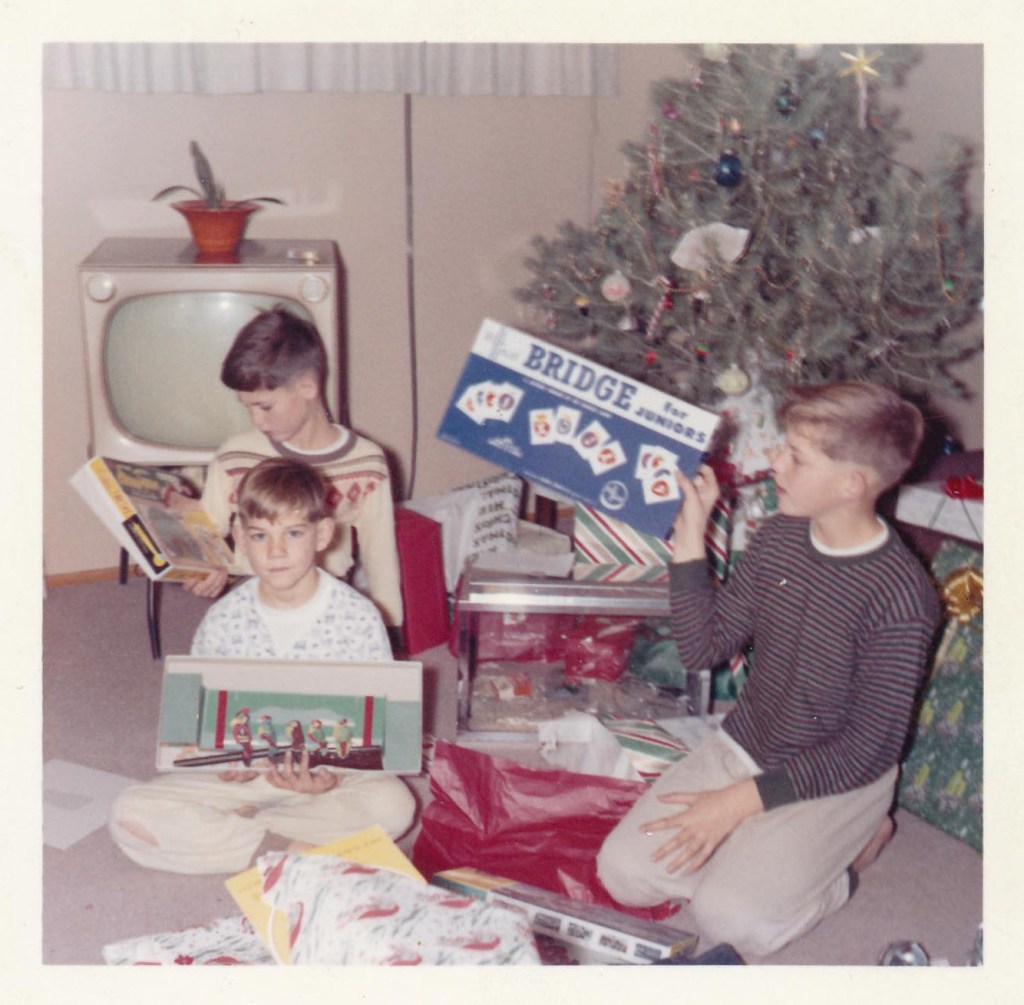
I grew up, as I am sure most people of my era (here for us boomers!) with only a “real” Christmas tree in the house.

According to the Nature Conservancy, nearly 10 million artificial trees are purchased each year in the US, manufactured primarily in China. That’s a lot of faux! However, the National Christmas Tree Association suggests that 25-30 million real trees are sold each year here in the US.

The benefits of real trees are numerous: they are recyclable, produce oxygen and provide a home for wildlife while growing, and have a look and smell that simply can’t be imitated with pvc plastic trees. Although I never knew anyone to have one other than my grandfather, the aluminum tree was quite the design essential of Mid-Century Modern homes during the early 1960s. Stylish! but no smell.

One of the cousins sitting in front of an aluminum Christmas tree. Note the rotating lighting display behind the tree!

Growing up our family would cut trees outside of Reno, Nevada. And the tree we brought home was always a pinion pine. Looking back at some of my photos, I wonder now how the bush-like shape of the pinion pine ever qualified it as a “Christmas” tree? But it did have a wonderful smell! Very prickly, lot’s of sap, and a short squat tree was how I remembered ours.

When we were married I hoped to share the same experience of cutting our own Christmas trees with my family. There are several tree farms here in Loudoun County, VA and we’ve tried a couple of them. Ticonderoga Tree Farm wasn’t far from our home and we visited them a few times. Snickers Gap Tree Farm is a bit farther drive but worth the effort. Their Douglas fir and blue spruce are beautiful. Thinking of fir trees, there are Fraser Fir, Noble Fir, Douglas Fir, Balsam Fir, Canaan Fir, and any number of spruce and pines that make great Christmas trees if you are looking for varieties from which to choose. Not all are available locally but perhaps they are in your region.

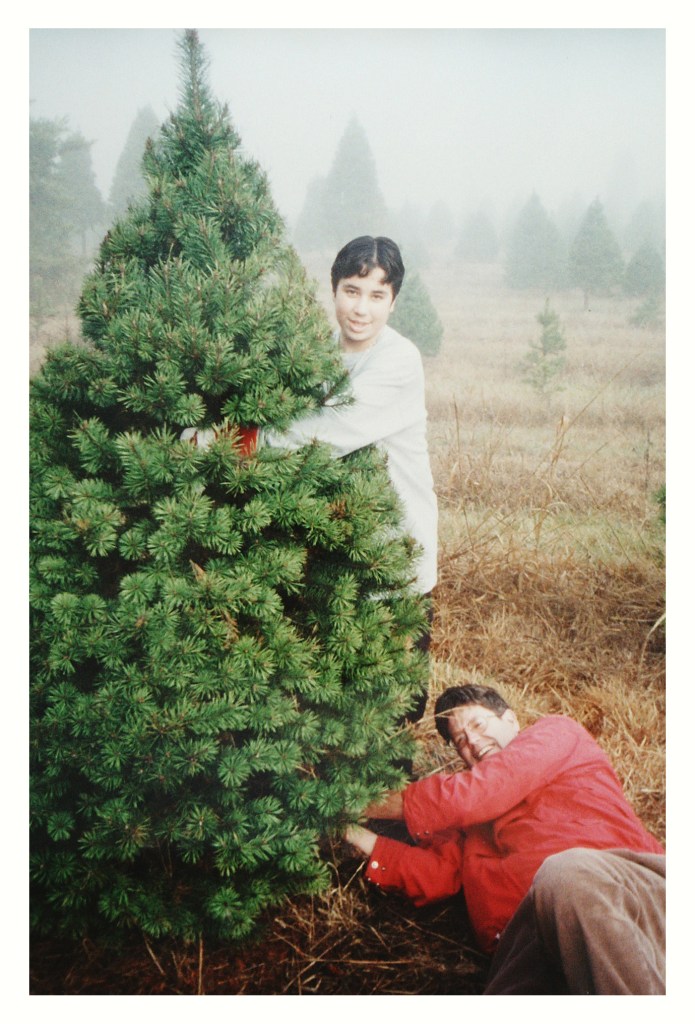
I love this picture of my son and I cutting our tree at Ticonderoga; now, years later we have switched to artificial trees. As I recall, we stopped buying real trees when we considered the rising costs of yearly purchasing a tree vs. the one-time cost of an artificial tree. And the faux tree came pre-lit! But I miss the excitement of finding the perfect tree, the lingering smell of pine through the holiday season, and the thought of supporting our local growers. Perhaps we will buy real in the future.

Many, many years ago, back in the early 1960s, our family helped my Mother’s sister and her family plant a tree farm on 10 acres near Laytonville CA. It seems an odd location now: Laytonville in Mendocino County is surrounded by forests. And a tree farm isn’t something you can just plant and leave to nature; the trees have to be pruned to shape and there are always deer wanting to eat the younger plants. I asked my cousin and she said they eventually sold the property and never harvested any trees from it. But I am wondering, maybe a tree farm isn’t such a bad idea for an old retired guy? Support our local farmers! Merry Christmas friends.

Overwhelmed

overwhelm, v. transitive. To bury or drown beneath a mass of earth, water, etc.; to submerge completely; to destroy or obliterate by covering with something.

“Sure I can stop by and pick up a few boxes; photo albums, slides, nicnacs and some family memorabilia? No problem!”

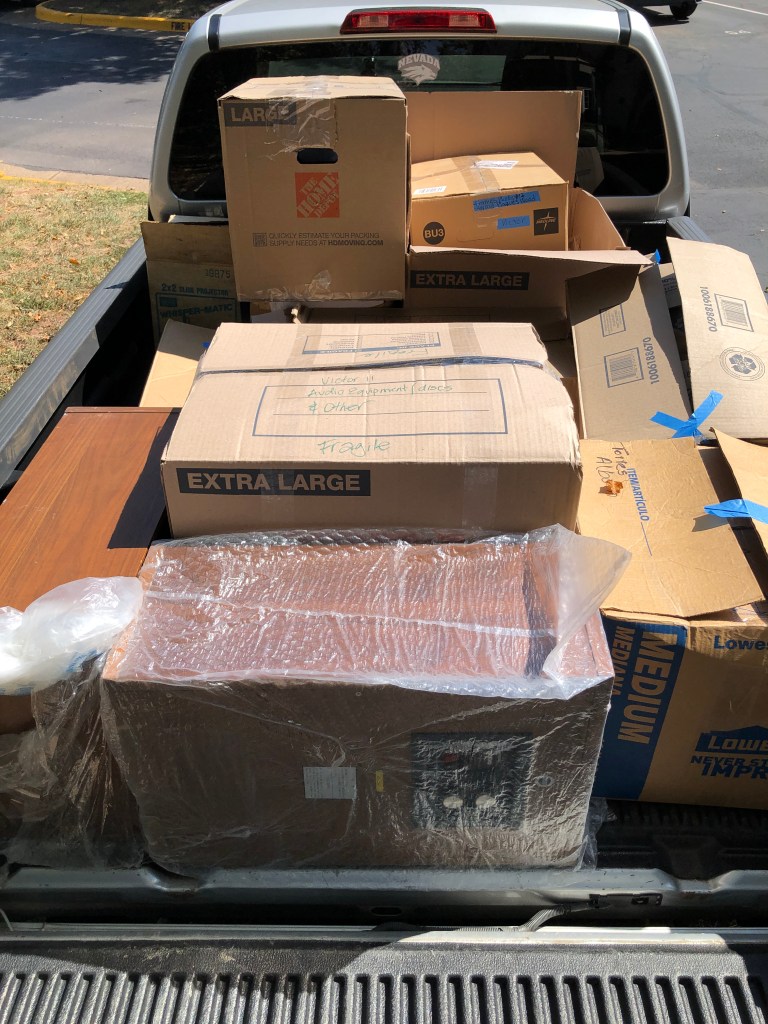
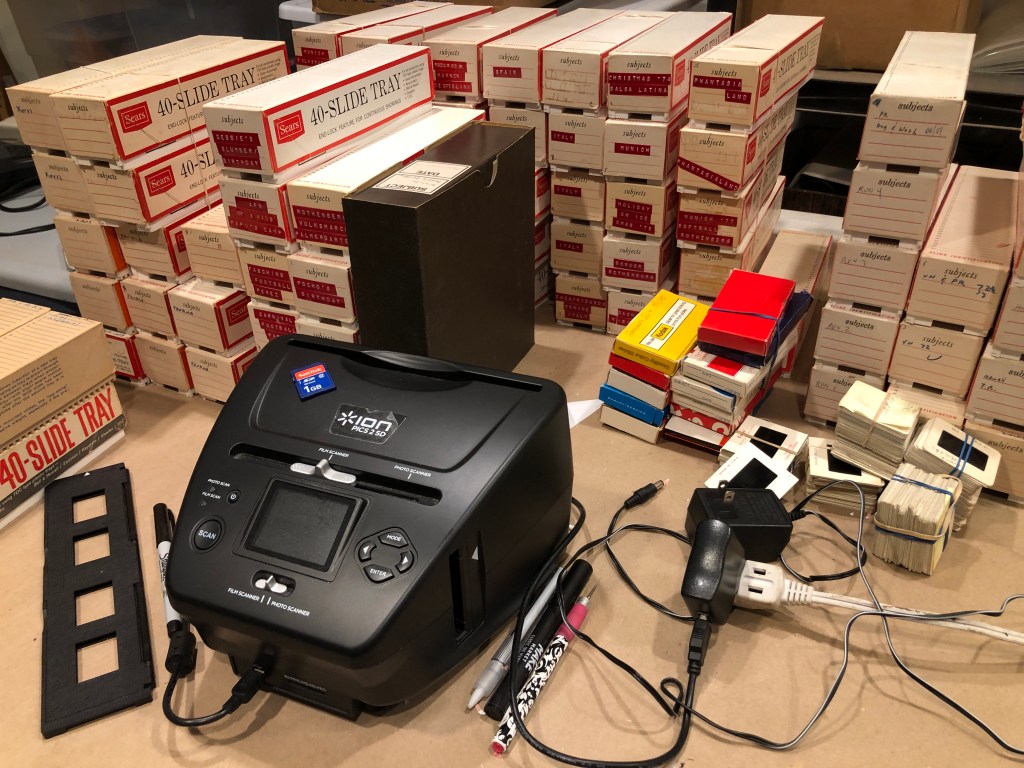
It had been four years since my father-in-law had passed away and his wife was feeling like now she could really go through his things and separate out what his children might want to keep. There were the photo albums, of course, and what turned out to be more than 75 boxes of Ektachrome slides: family and work activities captured over the span of thirty years. There were also boxes of framed photos, graduation certificates and medals of accomplishments, the many small items accumulated from a man’s career in the US Army. 

There was..a lot.

As she and I talked over coffee, it was apparent she had felt overwhelmed by all of it, was still feeling some traces of emotion even as the relief of saying goodbye to all of it became more real. 

When we went downstairs to begin packing my truck, I could immediately understand her feelings: I was overwhelmed at the number and sizes of the boxes stacked in the carport! 

They had been married nearly 17 years before he passed away. As much as I had grown to know him, one thing I understood was that he loved his family and he loved documenting everything. And he saved everything. She must have felt swamped to even begin sorting through it all.

I’ve written before about planning ahead for what we will inevitably leave behind (Memories & Mementos). My plan for most of this is to scan the photos and post them in a group album online, ideally a Google photos https://www.google.com/photos/about/ And then, tentatively, dispose of the originals. We bought an Ion Pics2 SD slide scanner thru and online estate sale (I love those!) and so far it has worked well for this project. Here’s the link if you are interested.

As I’ve worked through scanning these, arranging the boxed slides into sets, it seemed easier to group them by year rather than subject matter as I had originally intended. But I’ve found in the past with overly large or complicated projects, the satisfaction for me has come in just getting started, grouping and arranging the subject matter or tasks into smaller goals has brought it’s own sense of accomplishment. And as the stacks and stacks of photos gradually decreased in size and number, the satisfaction of nearing the end of the project has increased dramatically.

To date I’ve scanned over 1,700 slides; there remain approximately 1,000 left to scan. But I’m more than half-finished! I won’t be feeling overwhelmed trying to figure out what to do with everything that we’ve accumulated over the years: as long as I have a plan, I’m content. It’s just going to take some time.

It’s Just Hair

It’s just hair. Is it? Is it really, just hair?

This morning I got a haircut at the same barbershop I’ve been using for the past three years. Invariably the first thing the barber will ask me is, “How would you like it cut, sir?” My answer is always the same: just a trim.

And yet…and yet, it’s never the same. Just about every six weeks I stop in at the same local shop, I take the first available seat, and the routine is always the same. A little small talk, generally about the weather; perhaps that I’m retired and can come in early in the day, oh? Your wife is still working?  how are your children—grandchildren, what do you think of this or that current topic? 

And then, always, every single time: your hair is very thick (meaning hard to cut). Yes I know, it’s a blessing, thank you Mom. But when we are finished, it’s always a mystery, a bit like Monty Hall and the reveal: what’s behind Door Number One? Always different. 

My older brother has sandy blond, curly hair. My younger brother has wavy hair, not blond but not quite brown, though all of us sport more gray these days. My hair used to look more like my late Dad’s, dark and full, though he wore it longer than I do and he styled it a bit like Elvis Presley, swooping it back with a generous amount of VO5 cream. I’m salt and pepper now, or “mostly gray” (it was a shock to see that on my drivers license description), and I keep it short. But I never know what it will look like on leaving the barbershop.

This morning I couldn’t help overhearing the conversation of the patron seated in the chair next to me. He carried on quite a dialog with the barber (stylist?) and it was obvious he wasn’t happy with the progress. Fearful of cutting it too short—she had been warned of that—it seemed now it wasn’t short enough. And uneven. He continued to guide and direct the process even after I had finished and was on my way up front to pay. But I noted that he let her know that he would be returning (this was his first visit) and that he expected they would get to know one another, his expectations, how best to achieve the desired goal. Looking good!

It’s been quite a sport of mine wondering what my haircuts would look like when finished. And really? I’m fine with however they turn out. Hairs grows fast and I generally wear a baseball cap anyway. My sympathies are with those guys who are follicularly-challenged: hopefully they aren’t paying the same amount that I do, or at least they get the hot towel and neck rub after the buzz cut. Where are you with your cuts? Very particular in how it’s styled or comme ci, come ca? Do you always make an appointment for the same stylist or do you take the next available chair? It’s just hair, right?

Gimme head with hair
Long beautiful hair
Shining, gleaming,
Streaming, flaxen, waxen

Give me down to there hair
Shoulder length or longer
Here baby, there mama
Everywhere daddy daddy

Hair, hair, hair, hair, hair, hair, hair
Flow it, show it
Long as God can grow it
My hair

The musical Hair, 1967, lyrics by James Rado and Gerome Ragni. Broadway poster from postermuseum.com

More Trees than Time

Whether it was growing up in Nevada, or just that we always had a home with a fireplace, it seems our summers included cutting firewood. Not necessarily cutting down trees, but cutting downed trees into fireplace-lengths, loading them into our truck, and then unloading and stacking the wood alongside the house when we got back home. 

A cord of wood is measured 4 ft x 4 ft x 8 ft long. Dad liked to have at least two cord split, stacked, and ready for winter before summer ended. As I recall our chevy pickup could hold at the most, maybe one-third to one-half cord? Along with his chainsaw, a five gallon gas can, a wheelbarrow to carry the wood back to the truck and a tool box—that didn’t leave much room for wood. But with the sideboards fitted into place on the truck we could carry quite a bit. Nevertheless, enough wood for burning during the winter generally meant 5-6 weekends spent in the forests north and west of Reno during our school summer vacation.

Though my older brother was only a year older than me, he was larger. I imagine that is why Dad eventually let him use the chainsaw. My job was always to be the carrier, carting the cut pieces of wood back to the truck and “stacking” them so as to maximize what we could bring back. All the work and none of the glory of being a junior lumberman!

Last year we hired a crew to take down four very large trees on our cottage property. These were oaks, walnut, and poplar trees, dense hard wood. I’ve let them lie in place for a year as they dried out and I figured out how to best to deal with them. 

I bought a Craftsman ten inch electric chainsaw from Lowes in the fall and started cutting off the smaller limbs and branches and stacking them to burn in our fire pit. 

As one would expect, the small saw proved ineffective when it came to cutting up the tree trunks. I hoped to buy a larger gas powered saw through one of the estate sales we love to shop. That didn’t work out, they generally sold for more than what I wanted to pay for a used piece of equipment.

So this year I finally bought a new chainsaw. It’s 16 inches, not a beast but it can definitely cut through some wood! 

I came across an old photo of my niece out with her Grandpa cutting wood. I wasn’t surprised to see that Dad had continued to collect wood for the fireplace (which by then had been outfitted with a fireplace insert). The photo is likely from the late 1980s, Dad had to be in his sixties by then. It’s gratifying to see that he was still at it, though undoubtedly my brother was there alongside him to help load the truck. I think more than gathering firewood, Dad enjoyed spending time in the woods. It was rugged life that I didn’t appreciate at the time. But the longer I am out with our own small forest, delimbing fallen trees and clearing paths, the more I find I am like him. I still have more trees than time ahead of me and there is work to do. Time to get to it.