More Hair

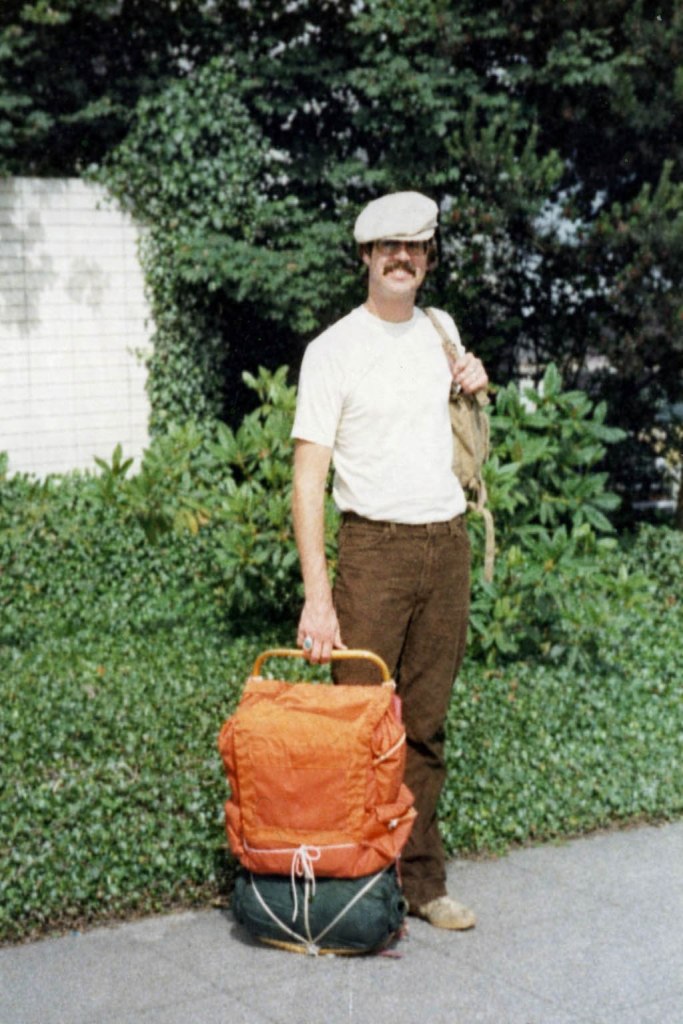
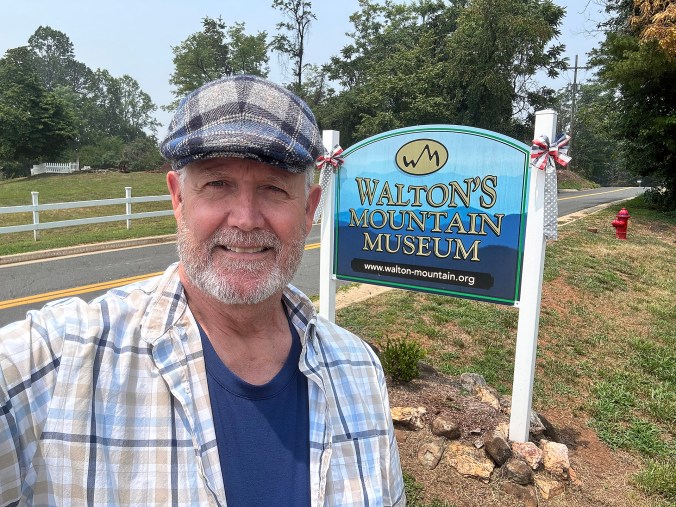
Reading this I recognize how we often fall into consistent, though perhaps not recognizable patterns or habits. I just got another haircut yesterday, and shaved off the beard I had been working on for a month. It’s Just Hair (from three years ago). Enjoy!

More Weeds

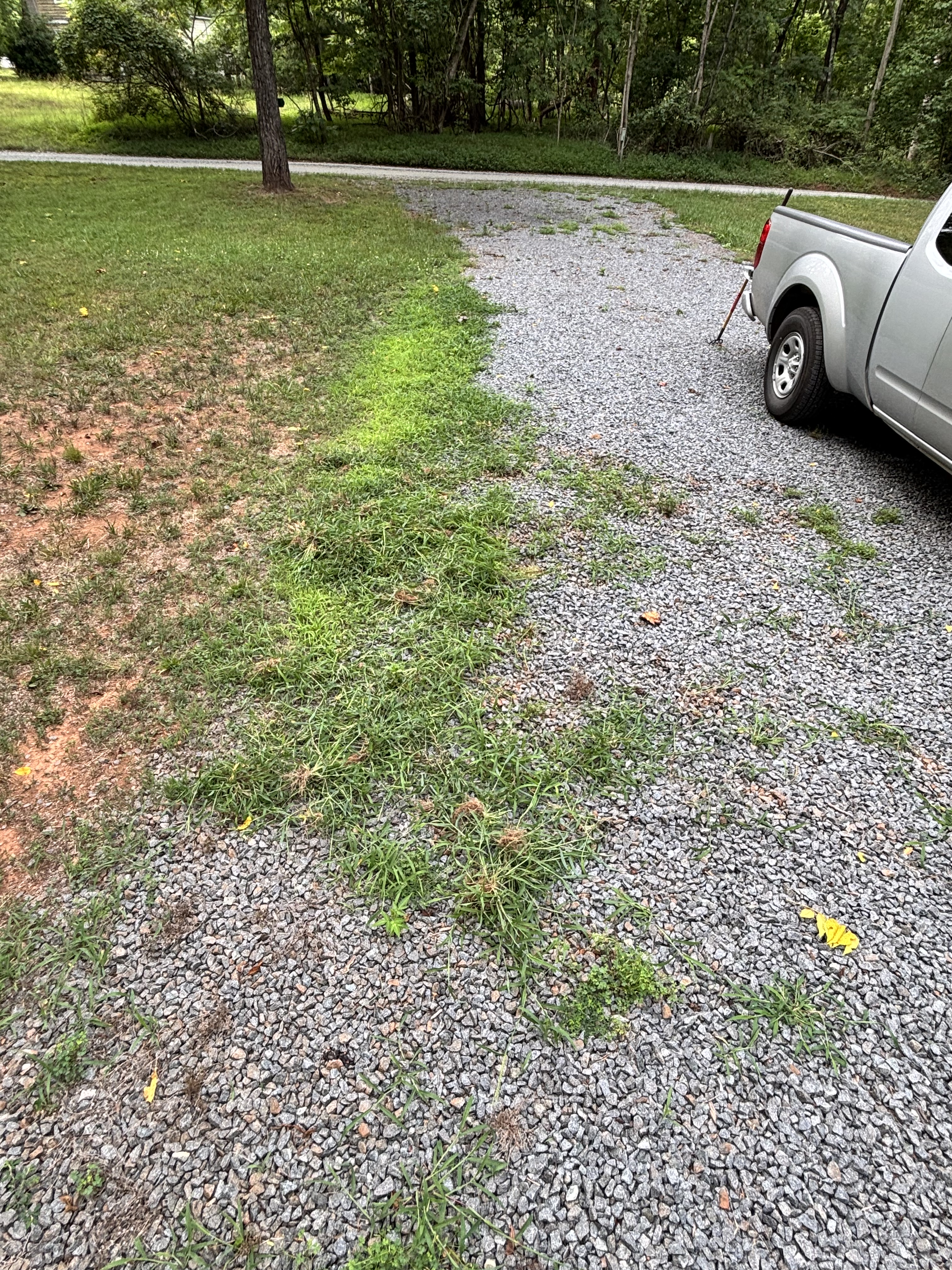
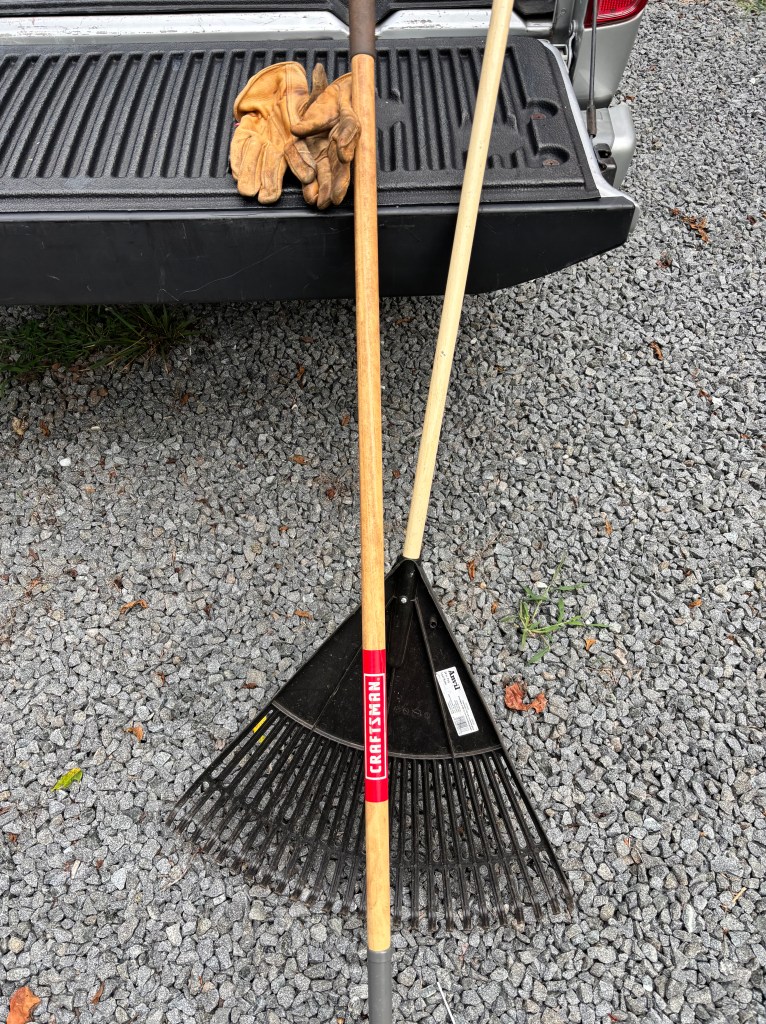
It had been a couple of weeks since my last visit to the cottage, and even then it was only a quick stop to meet with a contractor. We haven’t had much rain lately—not the kind of long, steady, grass-soaking rain that keeps everything green. So I expected the yard to look a little rough. It did. The grass was dry and patchier than usual. 

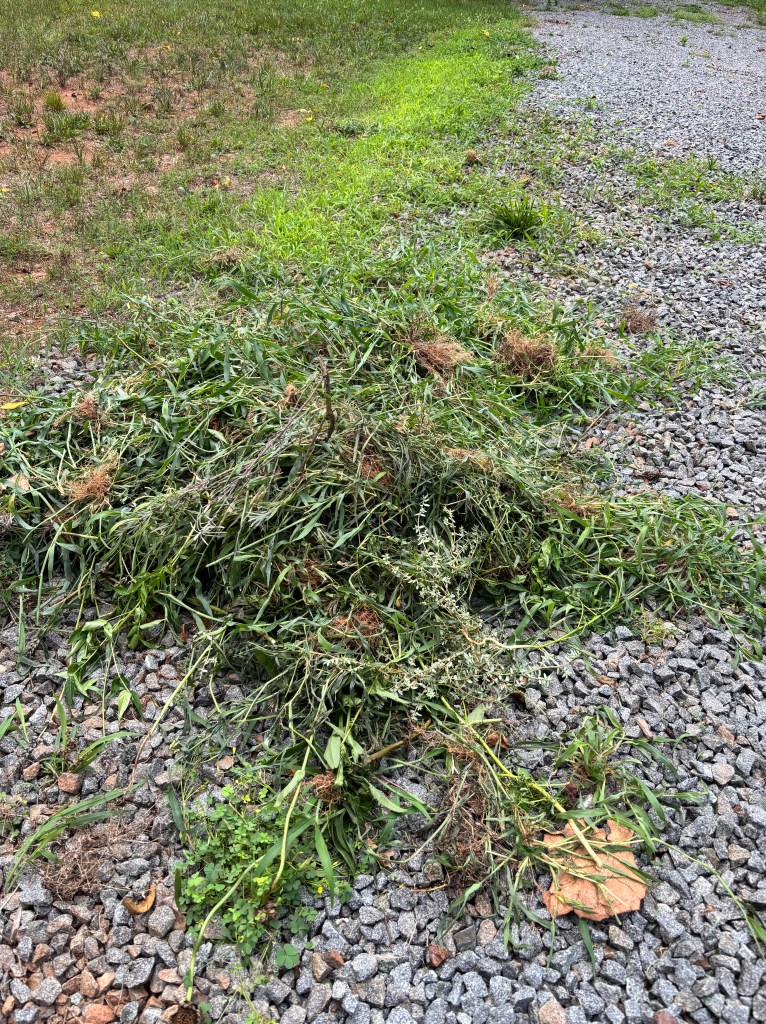
But it’s the middle of July, and summer heat, humidity, and scattered afternoon thunderstorms are simply part of the season. What I didn’t expect was the utter chaos of weeds.

I’ve been thinking a lot lately about the book of Proverbs. Our church is spending the summer studying it, and the most recent passage was Proverbs 6:6:

“Go to the ant, O sluggard; consider her ways, and be wise.”

I’ll admit, I’m not much of a fan of ants, so this verse didn’t immediately resonate with me.

Our pastor gave an inspiring message from those few words, but one word stayed with me: sluggard. Depending on the translation, it appears as lazybones, slacker, or simply lazy one. I’d run across that word before, and that’s where Scripture and experience suddenly came together.

Consider Proverbs 24:30–34:

I passed by the field of a sluggard, by the vineyard of a man lacking sense, and behold, it was all overgrown with thorns; the ground was covered with nettles, and its stone wall was broken down. Then I saw and considered it; I looked and received instruction.

A little sleep, a little slumber, a little folding of the hands to rest, and poverty will come upon you like a robber, and want like an armed man.

That phrase caught my attention: “I looked and received instruction.” What a wonderful description of a teachable spirit. Back in my Army days, my friends and I quoted verses 33 and 34 to one another all the time.

“Get up, you sluggard!”

We loved that part.

But we rarely paid attention to the verses that came before it—the neglected vineyard, the weeds, the broken stone wall.There are countless lessons packed into this proverb, but on this particular morning, standing in my gravel driveway and staring at weeds that seemed to have appeared overnight, only one thought came to mind:

A little sleep, a little slumber… and your yard and driveway will be overrun with weeds.

It doesn’t take long. Ignore something for a little while, and suddenly the vineyard is overgrown and the stone wall begins to crumble. And once it reaches that point, a few minutes of pulling weeds isn’t enough. I spent hours out there… or at least it felt like hours. If I’m being honest, it was probably closer to thirty minutes. But it was hot! Of course, Proverbs isn’t really teaching us how to grow vineyards or maintain our landscaping. It’s pointing to something much deeper.

Another proverb we often quoted says:

“Know well the condition of your flocks, and give attention to your herds.” (Proverbs 27:23)

Pay attention. Know what’s happening around you. If you’re a parent, know your children. If you’re a supervisor, know your people. If you’re a friend, stay connected. If you’re a follower of Christ, don’t neglect your own heart.

Weeds rarely appear overnight. They grow because small things are ignored for too long. The same is true in our relationships, our work, our spiritual lives, and yes—even our driveways.

A little attention today often prevents a lot of work tomorrow.

Crossing America

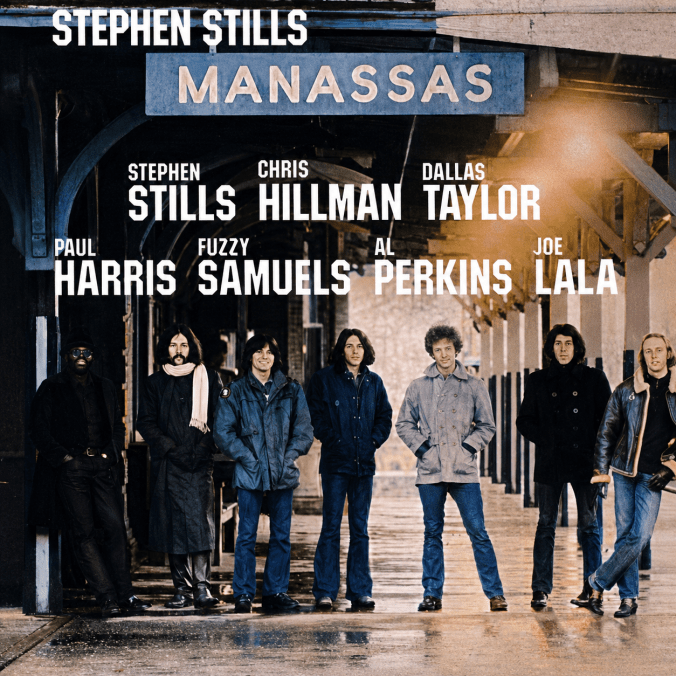
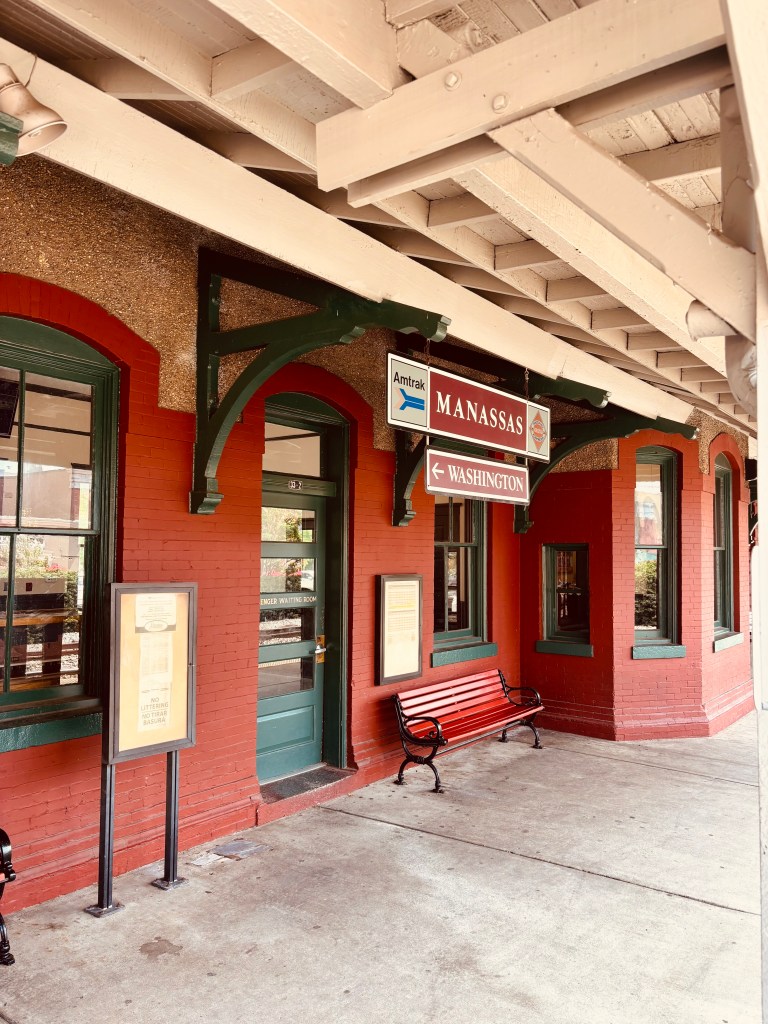
The self-titled 1972 album by Manassas, the band formed by Stephen Stills of Crosby, Stills & Nash fame, features a memorable cover photograph taken at the train station in Manassas, Virginia. A Civil War enthusiast, Stills chose the location because of its historic significance and named the band after the town itself.

Photographer Ira Wexler captured the band standing casually on the platform, hands in their pockets, Stills leaning against a post. Aside from the unmistakable hairstyles of the early 1970s, they could easily pass for a group of groomsmen waiting for the train before one last evening on the town.

That photograph always brings back memories for me because I had stood on that very platform four years later—not as a music fan, but as a traveler crossing America.

Photo: Manassas album cover (credit: Ira Wexler)

A Summer on the Road

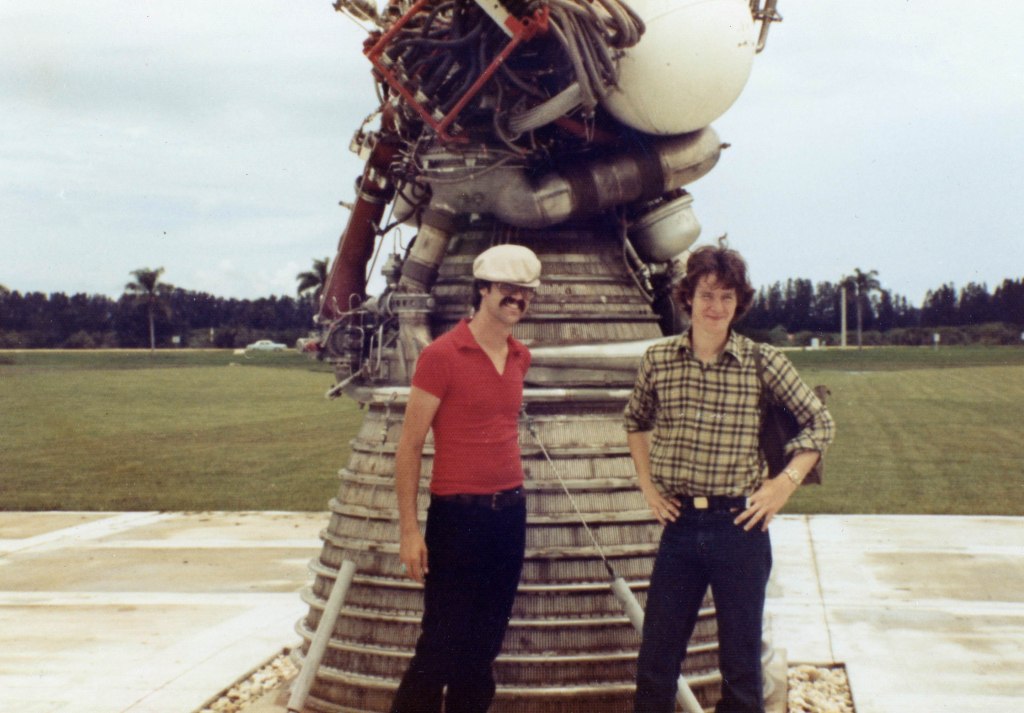
In the summer of 1976, during America’s Bicentennial celebration, I set off on a month-long bus tour across the United States. Along the way I met Simon, a young traveler from Wales who had come to experience America firsthand. We were the same age and quickly became good friends, sharing long hours on the bus and exploring each new destination together.

By the time we reached Washington, D.C., we had already visited places that seemed larger than life—The Alamo, New Orleans, Walt Disney World, and Cape Canaveral. Looking back, there wasn’t much to see at the Space Center itself, but simply standing where the Apollo missions had begun was unforgettable.

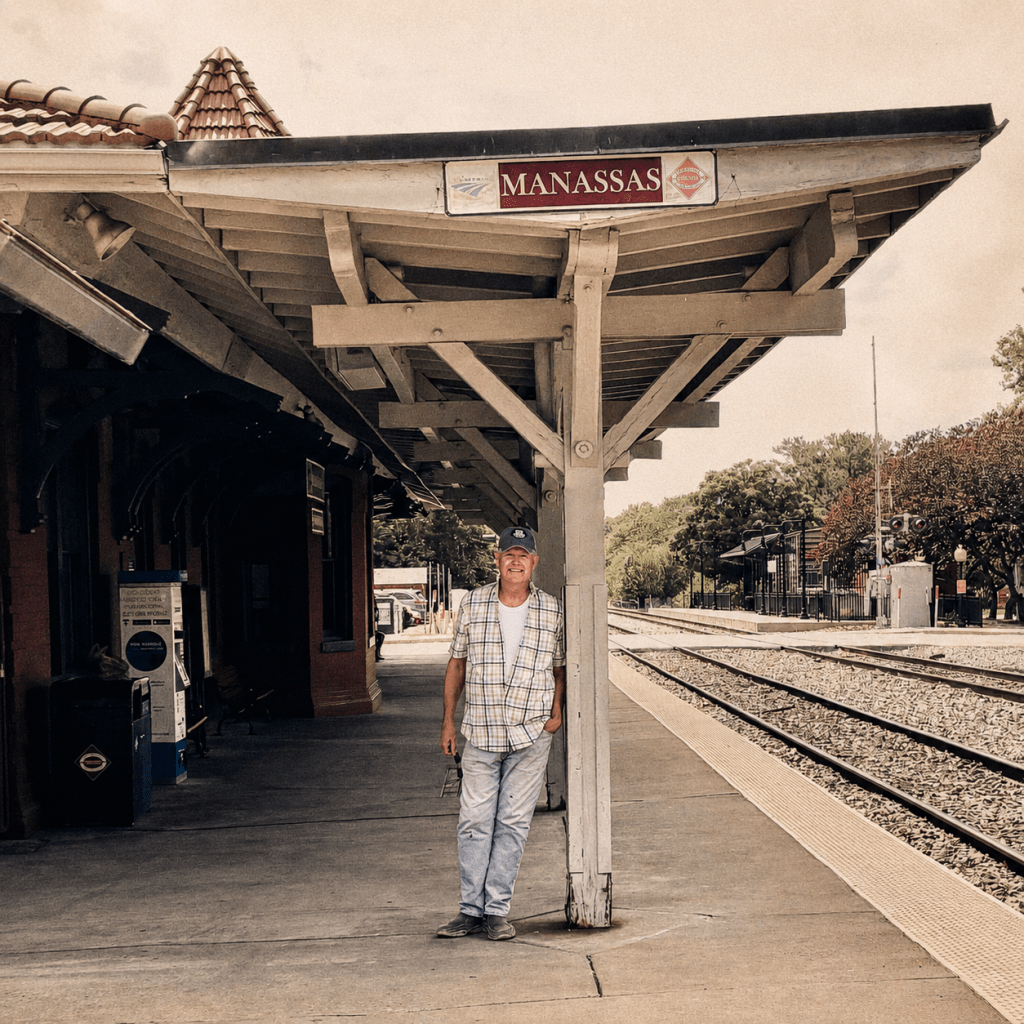
After the crowds and museums of Washington, Simon suggested something different. As a Stephen Stills fan, he wanted to visit the train station in Manassas that appeared on the Manassas album cover. It wasn’t on my itinerary, but that’s one of the joys of travel: sometimes the unexpected side trips become the memories that last the longest.

Photo: Manassas train platform, 2026

Crossing America on Two Wheels

That same summer, another branch of my family was making an even more remarkable journey.

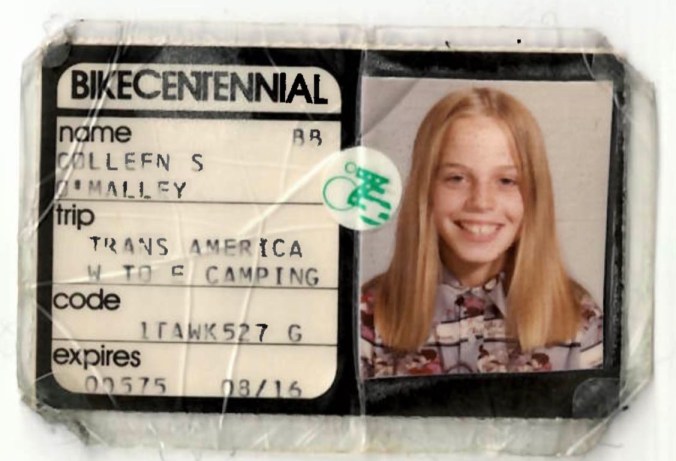
My aunt Shirley and my cousin Colleen participated in Bikecentennial, the cross-country bicycle ride created to celebrate America’s 200th birthday. According to my mother, who has an incredible memory for family history, Shirley—45 years old—and eleven-year-old Colleen may have been the youngest mother-daughter team to complete the route.

They began in Reedsport, Oregon, and pedaled east across the country. Many riders struggled with heat, exhaustion, and injuries, and some left the ride altogether. At one point Shirley and Colleen separated from the larger group, continuing entirely on their own. They followed the established route and campgrounds, but without the companionship or support of other riders. Just the two of them—and they finished.

My brother Dave was serving in the Army at Fort Riley, Kansas, during their trip. He remembers visiting them as they crossed the state.

“I went to see them about mid-journey while they were crossing Kansas. They looked incredibly fit, thin, and tanned. It was quite an adventure they were having, and I remember thinking how unusual it was to see a mother-daughter team, especially with Colleen only about eleven years old.”

Reporter (and participant) Mark Donaldson wrote in 2016, reflecting on the Adventure 40 years before. 

“Four thousand cyclists hit the trail the summer of 1976 — young, old, male, female, representing dozens of countries. Two thousand bicycled the entire trail from coast to coast. We all share one common bond. We all feel that the summer of the Bicentennial was one of the best summers of our lives.”

Years later, Colleen reflected on how unlikely the whole adventure really was.

Her mother had recently earned a degree in U.S. History after more than twenty years of night school. When she read about Bikecentennial, she assumed it would be perfect for her eighteen-year-old son. He wasn’t interested and simply replied, “You should do it.”

So she did.

At the time Shirley worked a full-time desk job, smoked two packs of cigarettes a day, and had hardly ridden a bicycle in years. Nevertheless, she bought the required camping gear, tents, panniers—and bicycles.

There was just one problem: the smallest adult bicycle was still too large for eleven-year-old Colleen. Their solution was wonderfully 1970s. A trip to Kinney Shoes produced a pair of platform sneakers that added two and a half inches of height, just enough to reach the pedals!

The family finally assembled the bicycles on Mother’s Day for a ten-mile practice ride.

Two weeks later, they left Reedsport, Oregon to bicycle across America.

Colleen, 1976

America by Rail

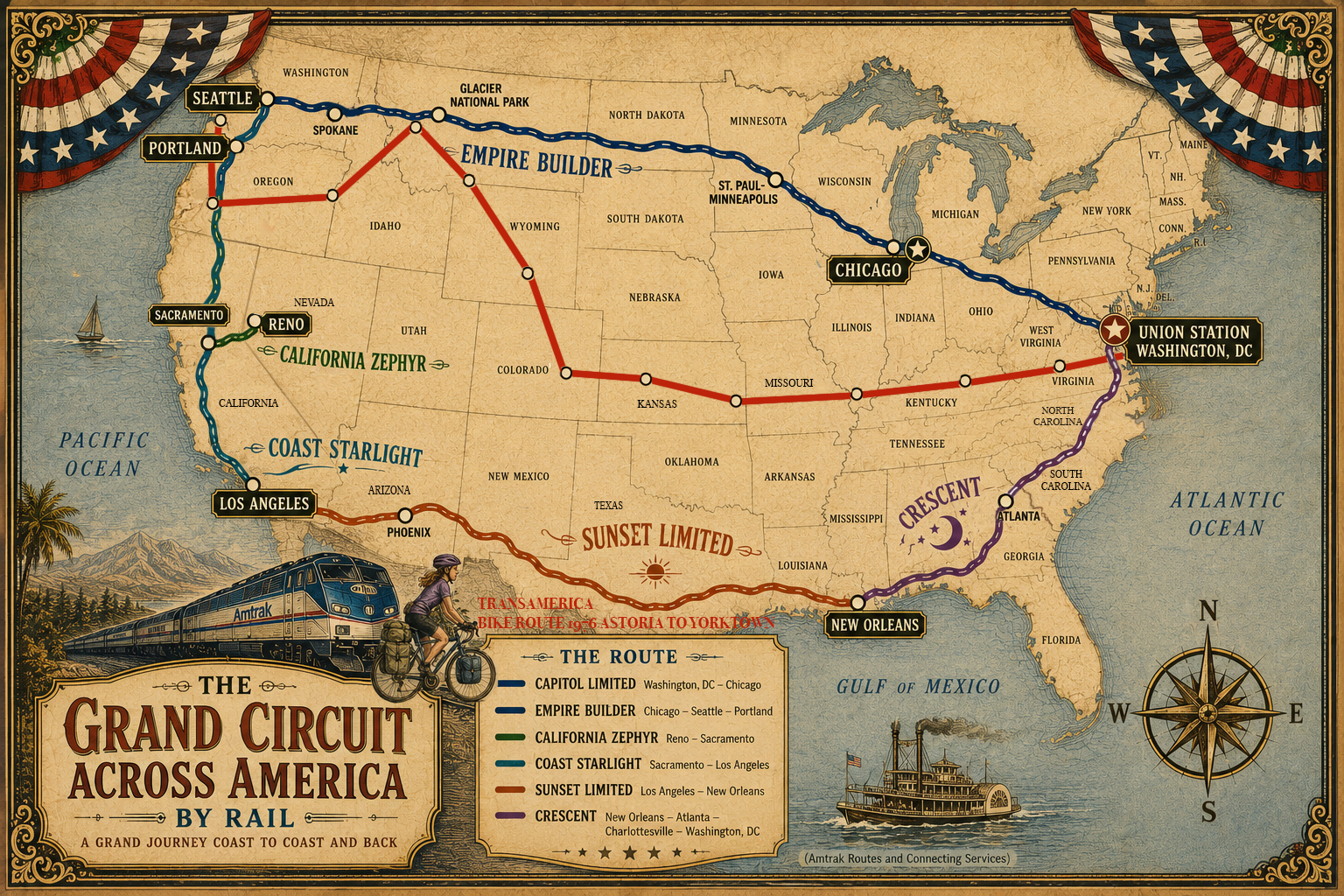
Nearly twenty years after my bus trip, I found myself circling the country once again—this time by train.

I boarded the Capitol Limited at Union Station in Washington, D.C., bound for Chicago. Twelve hours in a coach seat convinced me that sleeping accommodations were worth every penny, so I upgraded to a roomette before continuing west.

Traveling by rail offers an entirely different perspective on America. Unlike flying, where the landscape disappears beneath the clouds, the train carries you through small towns, mountain passes, deserts, rivers, and endless stretches of countryside that most travelers never see.

Looking back, I’ve crossed America three different ways: by bus, by train, and—through the remarkable story of my aunt and cousin—by bicycle. Each journey revealed a different side of the country, but they all shared the same reward: the chance to slow down, meet interesting people, and discover that sometimes the best memories come from the miles between the destinations.


In 1976, Americans celebrated 200 years of independence. Nearly fifty years later, as the nation celebrates its 250th anniversary, I realize those celebrations were never only about fireworks and parades. They were about movement—people setting out to see their country, whether by bus, bicycle, or train. My own memories of that Bicentennial summer, and the remarkable journey of my aunt Shirley and my cousin Colleen, remind me that America is often best understood not from a history book, but from the road itself.

Trains and the Sounds of Morning

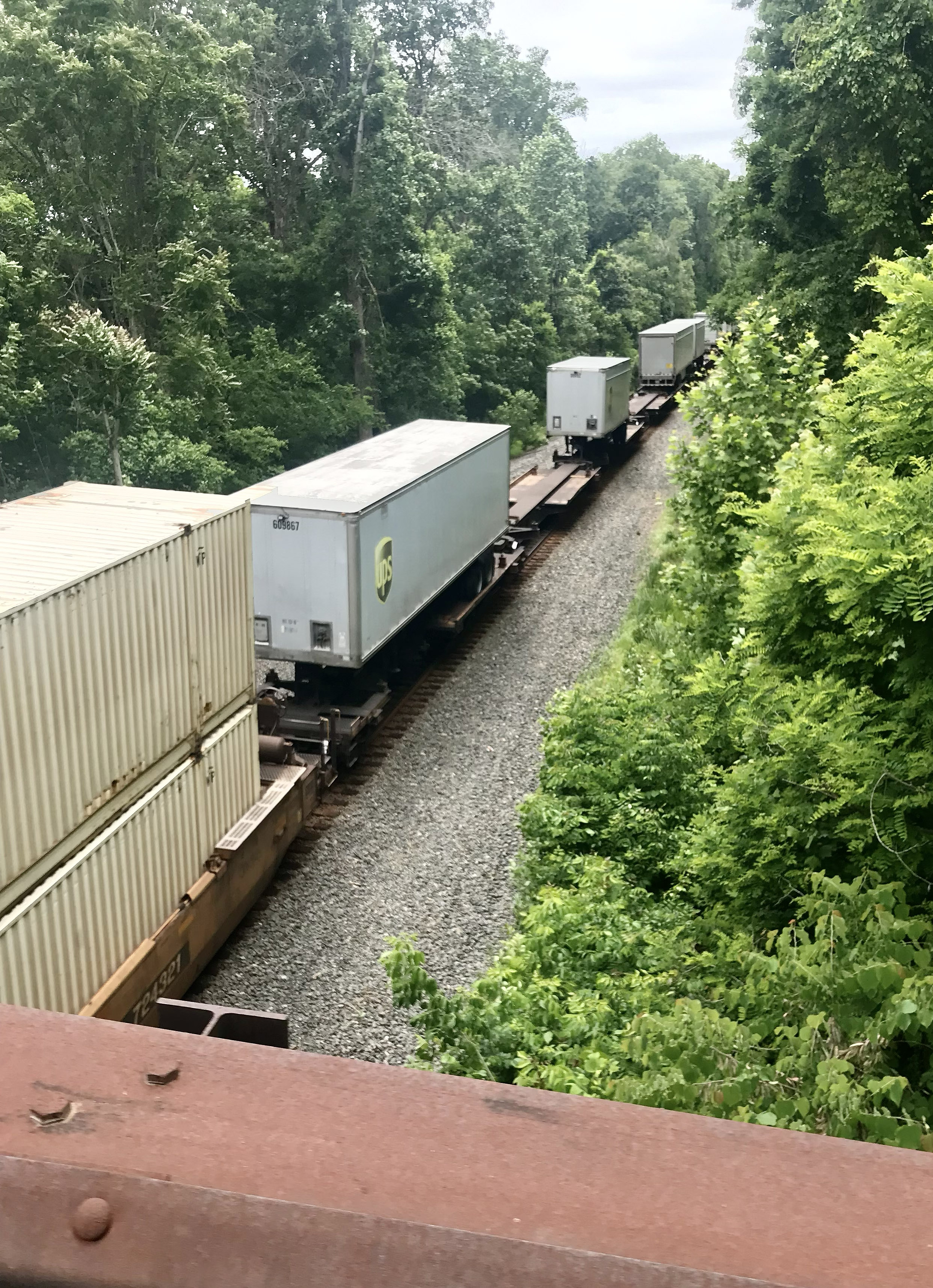
In the distance I hear the rumbling freight cars passing by. The CSX Washington Subdivision, running west from Orange to Charlottesville, still sees regular freight traffic. Coal once dominated Virginia’s rail economy in the 1970s. Today, while coal trains still pass through, there is a broader mix of intermodal containers and general freight.

The long horn sounds, followed by the rushing anticipation of rail cars clacking by. I rarely see the trains—they pass more than a mile from the house—but the sounds take me back to an imagined childhood. We never lived this close to tracks before, yet somehow this morning rhythm reminds me of home.

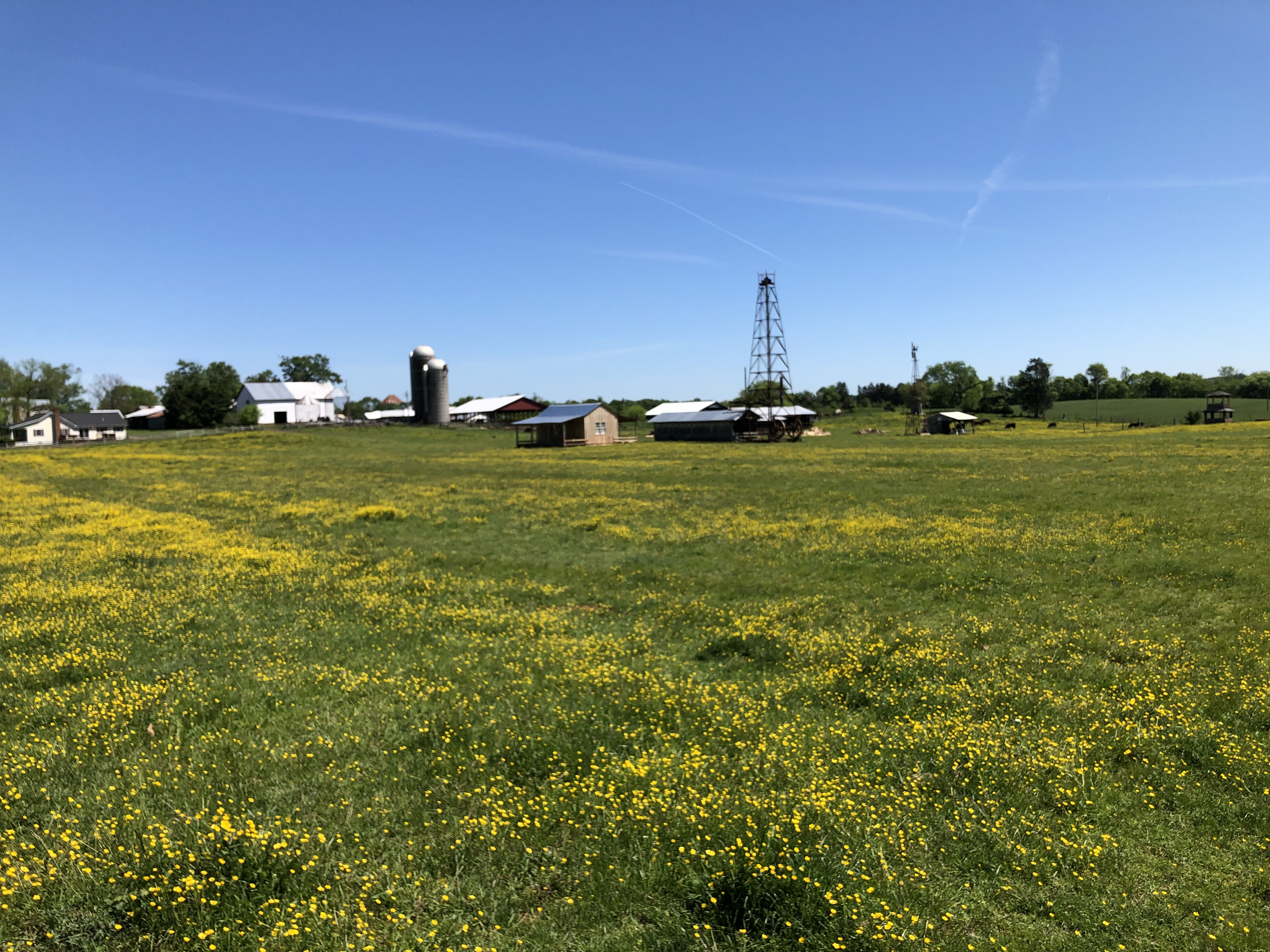
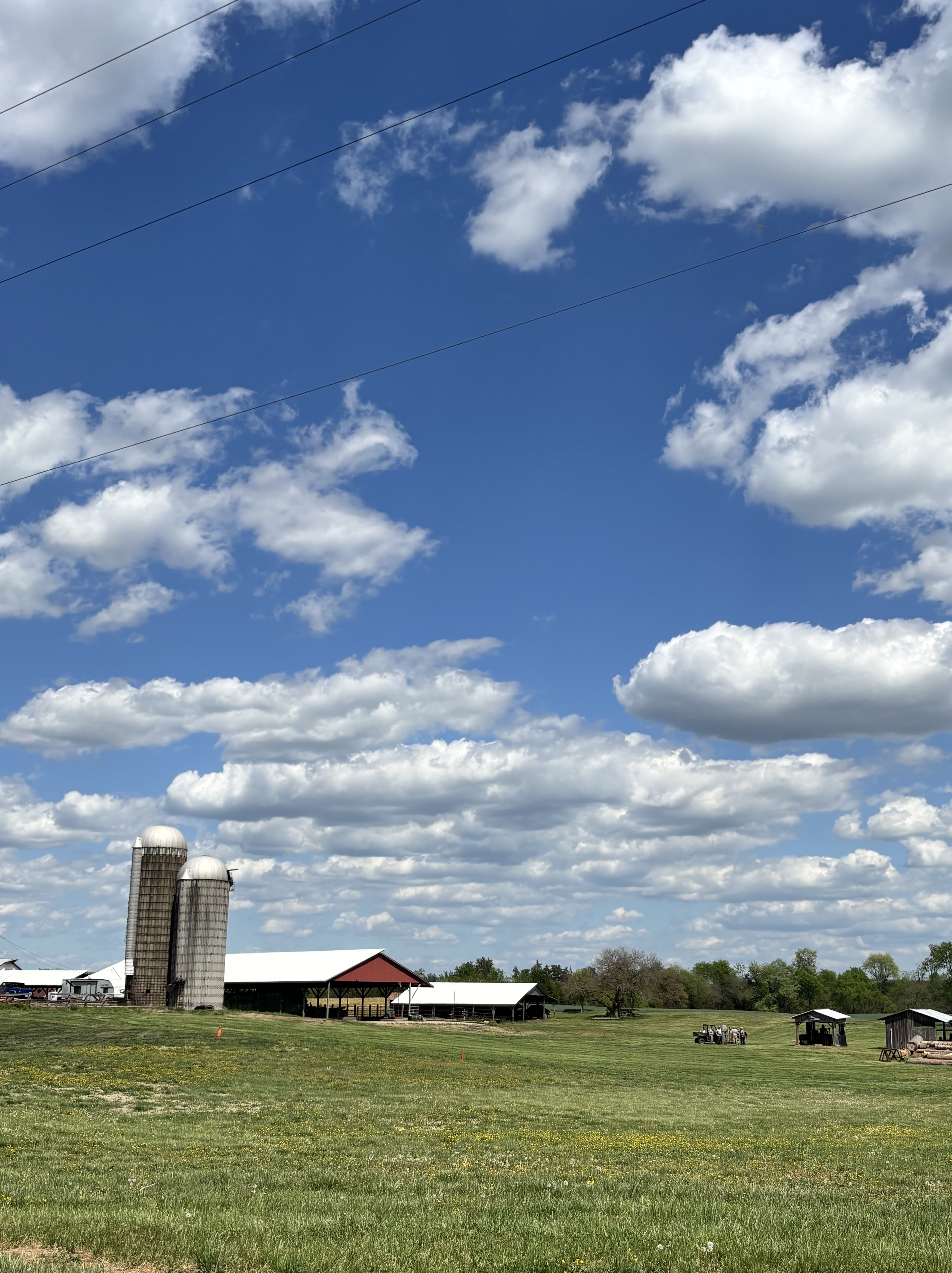
Now the cows are sounding off. I’m always surprised I can hear them from this far away. Their calls drift up the hill from Fairfield View Dairy Farm. Historical records suggest Orange County once had nearly 100 dairy farms in the 1960s. By 1992, that number had dropped to 33, part of a decline that likely began decades earlier as the industry shifted toward larger, more specialized operations. Today, only a handful of active dairy farms remain in Orange County.

So the sound feels fleeting somehow—cows calling to one another in the early dawn from down in Somerset along Route 231, near the Somerset Steam and Gas Engine Association. Occasionally we hear some of their antique equipment come to life as well.

Our next-nearest neighbor owns a small construction company. Early each morning we hear his employees arrive, bouncing up the gravel road we share, older pickup trucks growling and downshifting as they dip and then climb the rise past our house. Thirty minutes later they all leave together, a small parade of trucks and trailers heading off toward whatever job site awaits them that day.

My neighbor’s rooster has been going on all morning too. Yes, we hear you.

Then there is a brief pause.

For a little while the gravel road grows quiet before the garden café opens for lunch and traffic on the road picks back up again. The European Market and Café anchors a large nursery nearby. We’ve bought a few plants there over the years, but mostly we go for lunch on the patio, lingering over sandwiches and coffee while looking west toward the Blue Ridge Mountains.

Some mornings, before the day fully arrives, all of these sounds seem to overlap at once—the distant train horn, cows calling across the valley, gravel crunching under old trucks, a rooster insisting upon himself. None of it dramatic. None of it remarkable on its own. But together they form the soundtrack of this place, a kind of rural liturgy announcing that another day has begun

Let’s Make Ice Cream

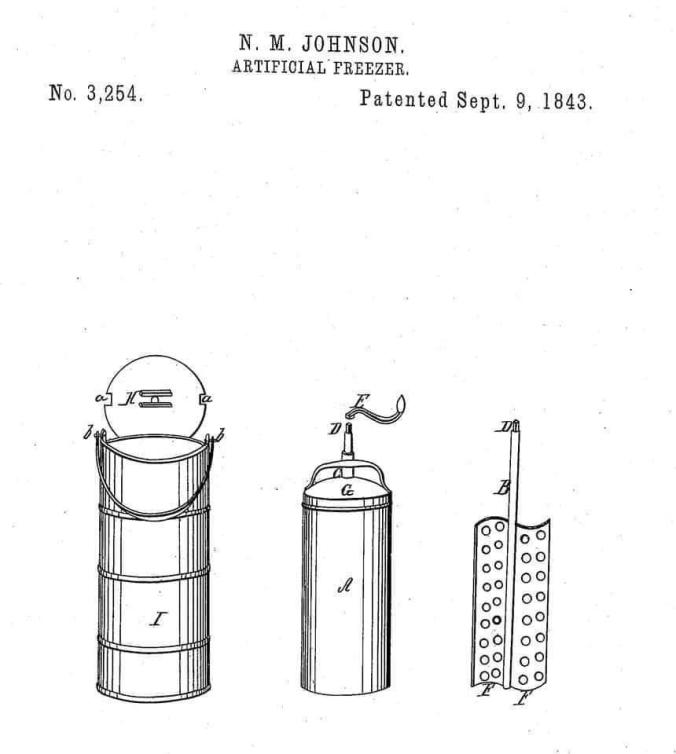
The hand-crank home ice cream maker was invented by Nancy M. Johnson. She filed the patent for her “Artificial Freezer”—the world’s first hand-cranked ice cream machine—on July 29, 1843, and was officially granted the patent on September 9, 1843.

Nancy Johnson’s patent (“Artificial Freezer,” U.S. Patent No. 3,254) was granted on September 9, 1843. Her design introduced the familiar hand crank and internal dasher that churned the cream mixture while surrounded by ice and salt — the basic principle still used in many traditional ice cream makers today.

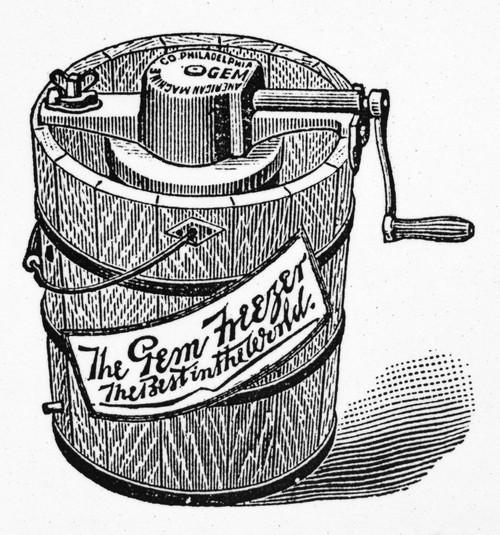
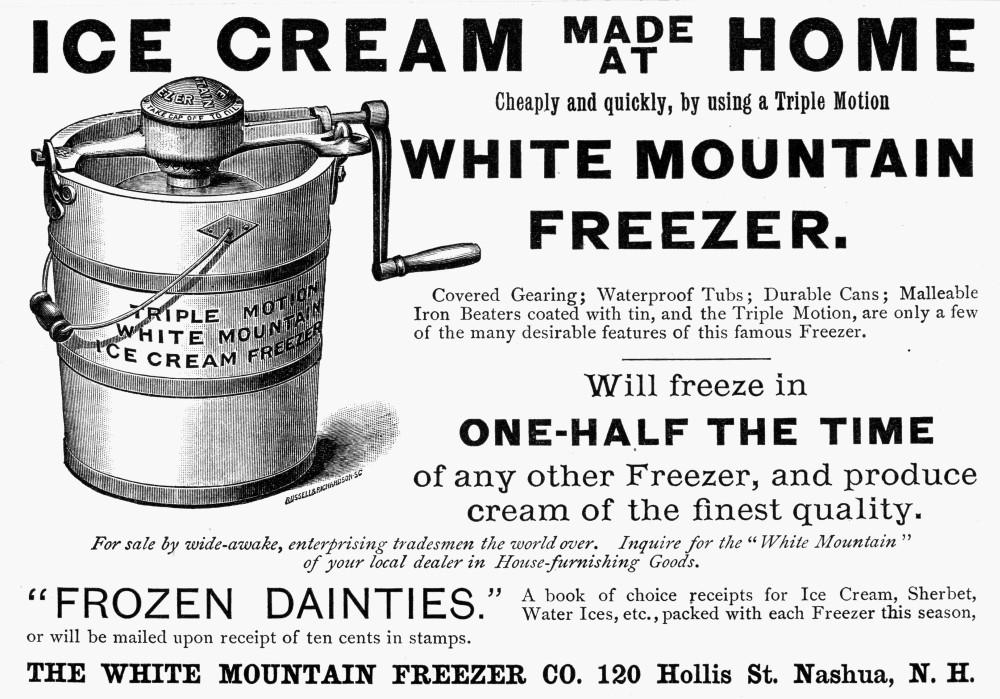
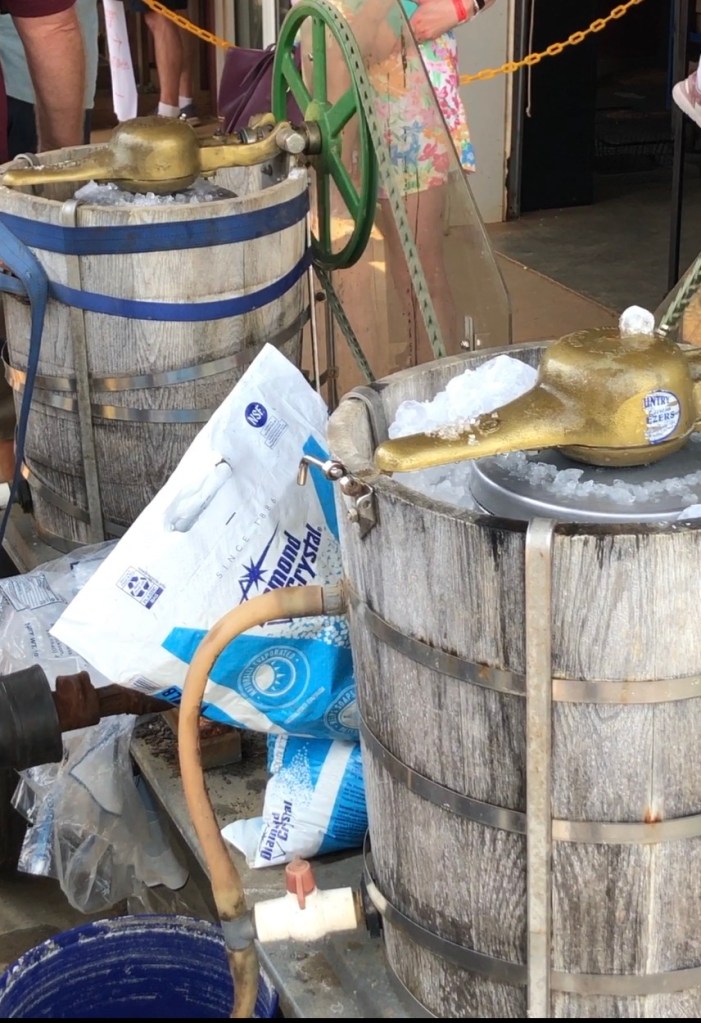
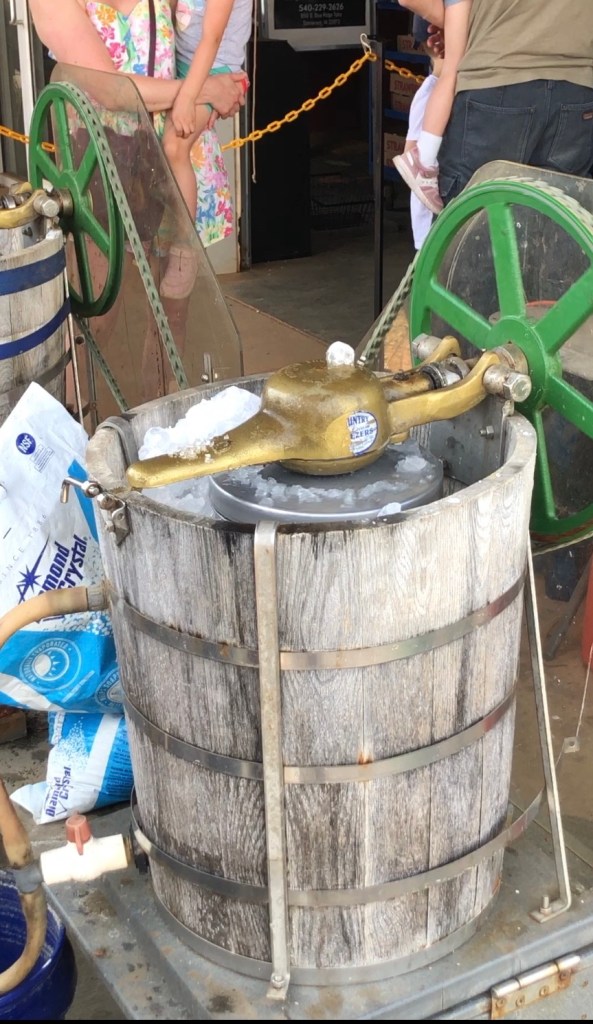
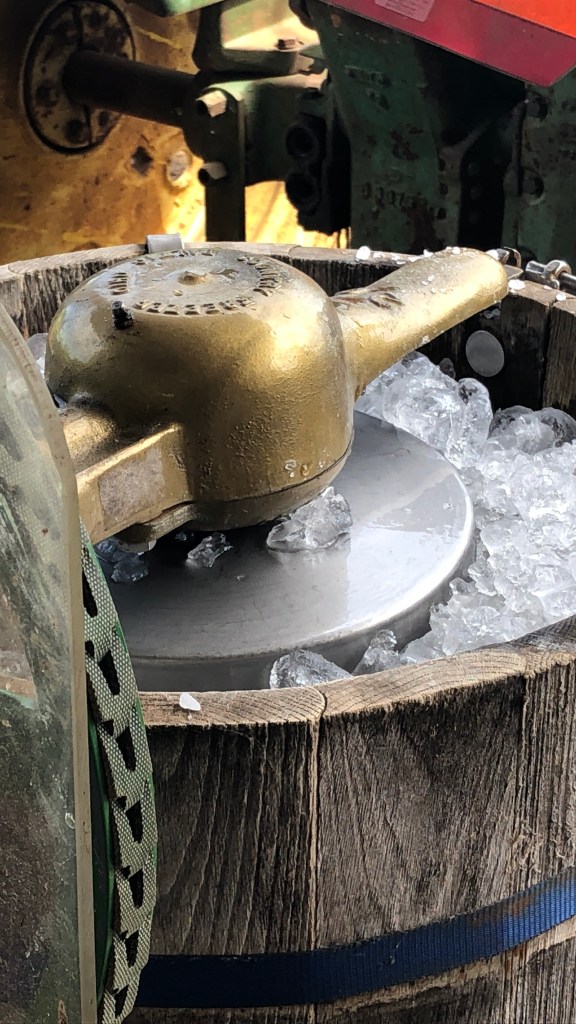
The oak bucket design became the standard because the wooden staves insulated the ice-and-salt mixture surrounding the metal canister. That basic arrangement — wooden bucket outside, metal cylinder inside, hand crank on top — remained essentially unchanged for generations. 

I asked Mom what she remembered about growing up—did her family ever make homemade ice cream? She grew up during the 1930s-40s in Southern California. 

“When I was a kid we had a 2 quart one I think…maybe only 1  1/2…not sure.  It was green, and rather large.  With 7 kids and Mother and Daddy, it took a lot, but we had cows so we had plenty of cream. Strawberries from the garden, or chocolate, usually. And we had an ice box that held 300 pounds of ice, if I remember correctly.  We only bought 100 at a time. It was a real chore, getting it just right at the end, then packing it to ‘ripen.’”

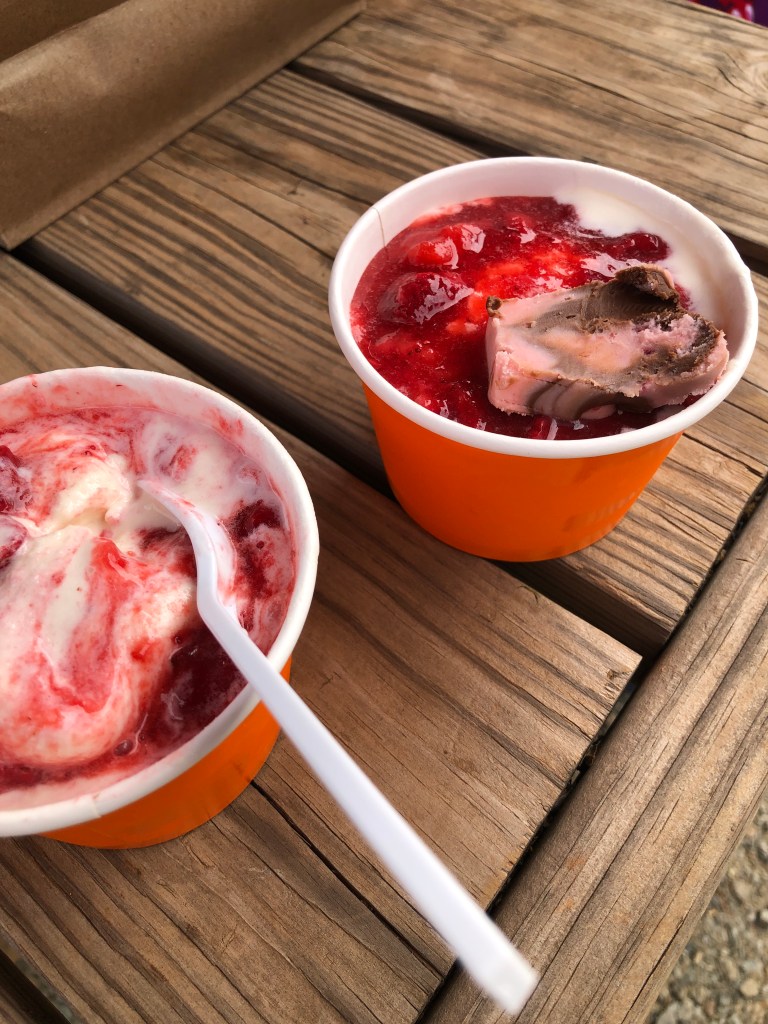
There were many years, looking back even before the 1990s, when our church would celebrate the Memorial Day weekend with a church-wide Strawberry Social. Church members would prepare flats of fresh-picked strawberries, ice cream makers would be brought out from home storage and dusted off, and the chocolate syrup bottles and shortcakes or bisquits would be layed out on tables in the Gym. In those days, the weather would always cooperate and we would all sit outdoors under the trees, picnic tables and folding chairs set up in the parking area, eating and talking and enjoying the promise of summer.

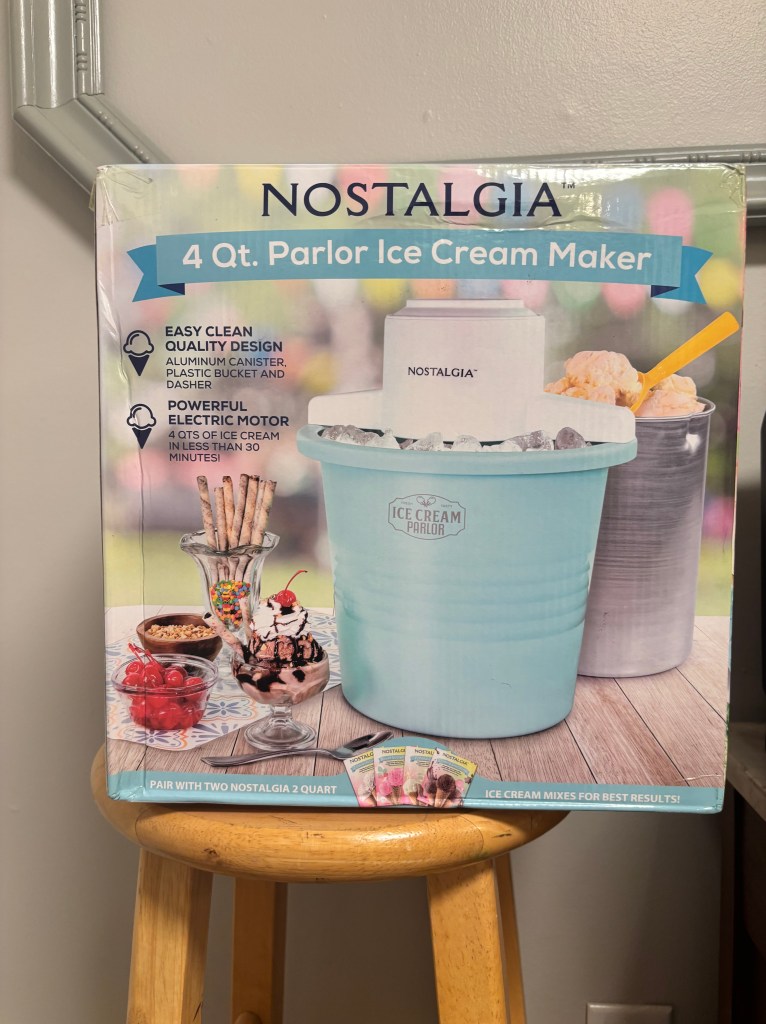
When I bought the electric one, one of my friends said that he had a similar one but that they seldom use it. Even with the ease of an electric ice cream maker, it’s definitely more convenient o buy a half gallon at the store and skip the effort. But you miss the excitement of watching the miracle happen!

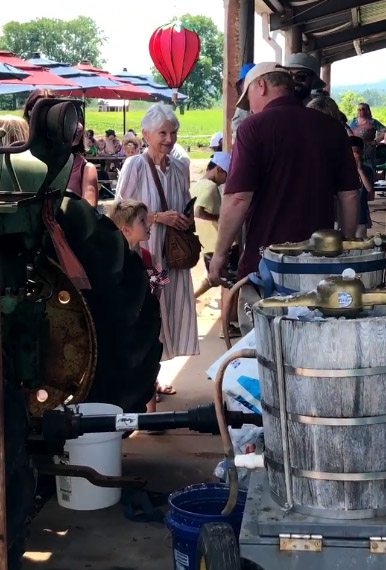
Our friends at Liberty Mills Farm in Somerset have a rather unique way of making their ice cream, hooking up a vintage John Deere tractor to power up a couple of units; so much fun to watch!

So, I guess the question isn’t “are you a Ben and Jerry’s fan or a Häagen-Dazs fan?” no, I think the real question is “hand crank or electric”? After all, anyone can buy ice cream. But dedicating the time to making it? Now that’s commitment! 

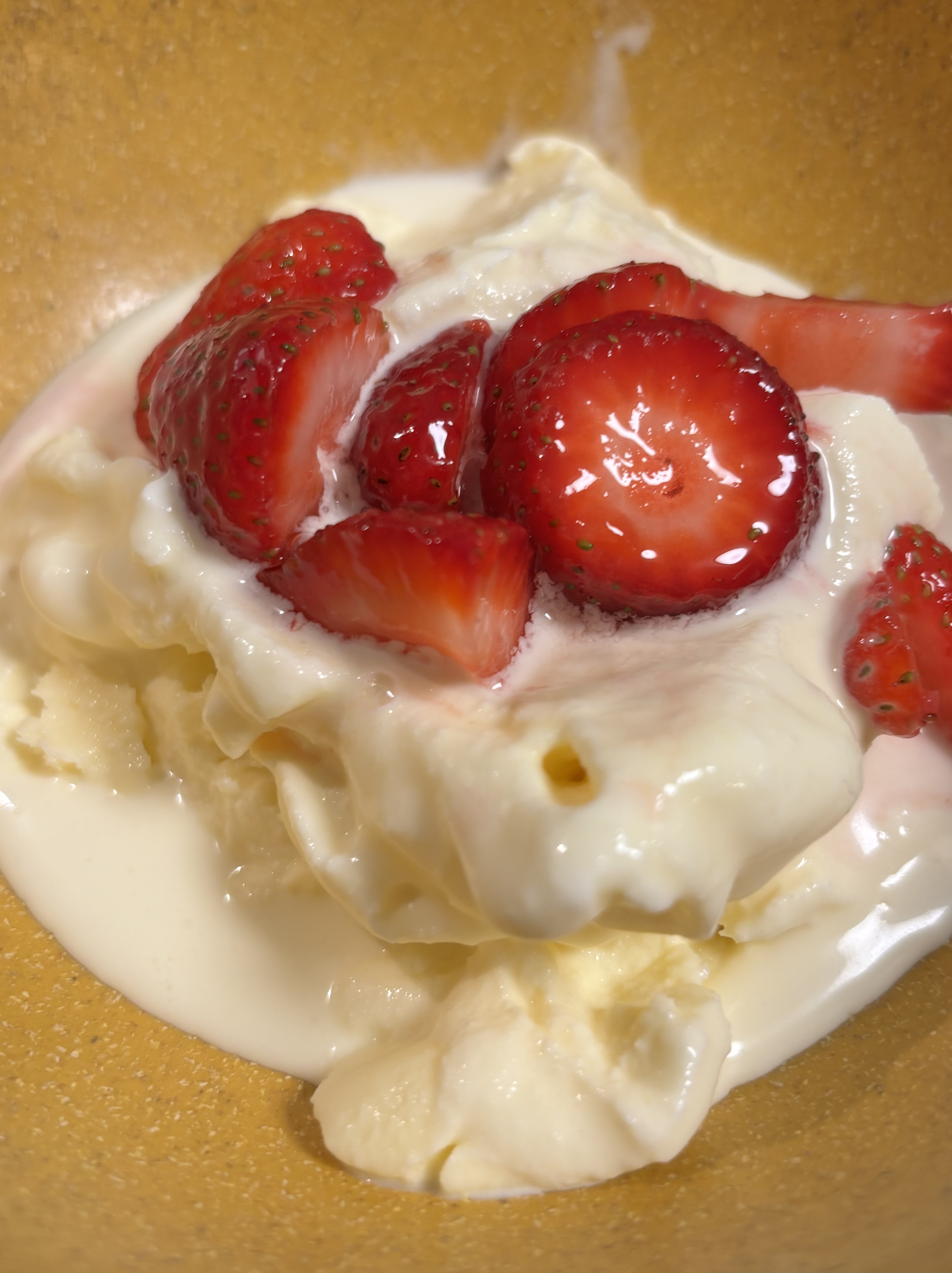
After trying the egg custard base, vanilla recipe, we are ready to venture out. I’m guessing the next culinary adventure will be double chocolate, and for the addition of small marshmallows and walnuts to make rocky road will be heaven. But I’m not opposed to trying out a good strawberry ice cream recipe. 


While there are millions of variations, most online recipes fall into a few primary methods:

Vanilla Ice Cream

  • French / Custard Style: Uses a base of egg yolks, sugar, milk, heavy cream, and real vanilla bean or extract, gently heated and then churned.
  • Philadelphia Style: No egg yolks used. The base is just heavy cream, whole milk, sugar, and vanilla extract.
  • No-Churn Style: Whipped to fluffy peaks with heavy cream and sweetened condensed milk, then frozen without a machine. 

Chocolate Ice Cream

  • Standard / Custard: Starts with a vanilla custard base, with unsweetened cocoa powder or melted chopped chocolate whisked directly into the hot milk and cream.
  • Two/Three Ingredient: The no-churn method, blending sweetened condensed milk, heavy cream, and cocoa powder.
  • Double / Dark: Typically adds both cocoa powder and melted bittersweet chocolate for a very rich, fudgy flavor. 

Recipe suggestions from Asktheicecreamqueen.com

Top Five most consumed ice cream brands in the US are (statista.com)

  • Ben & Jerry’s
  • Blue Bunny
  • Breyers
  • Dairy Queen
  • Blue Bell Creameries

That Didn’t Age Well


Fish, milk, fast fashion: some things just don’t age well. You can add to that list my somewhat junior prognostications regarding urban growth. 

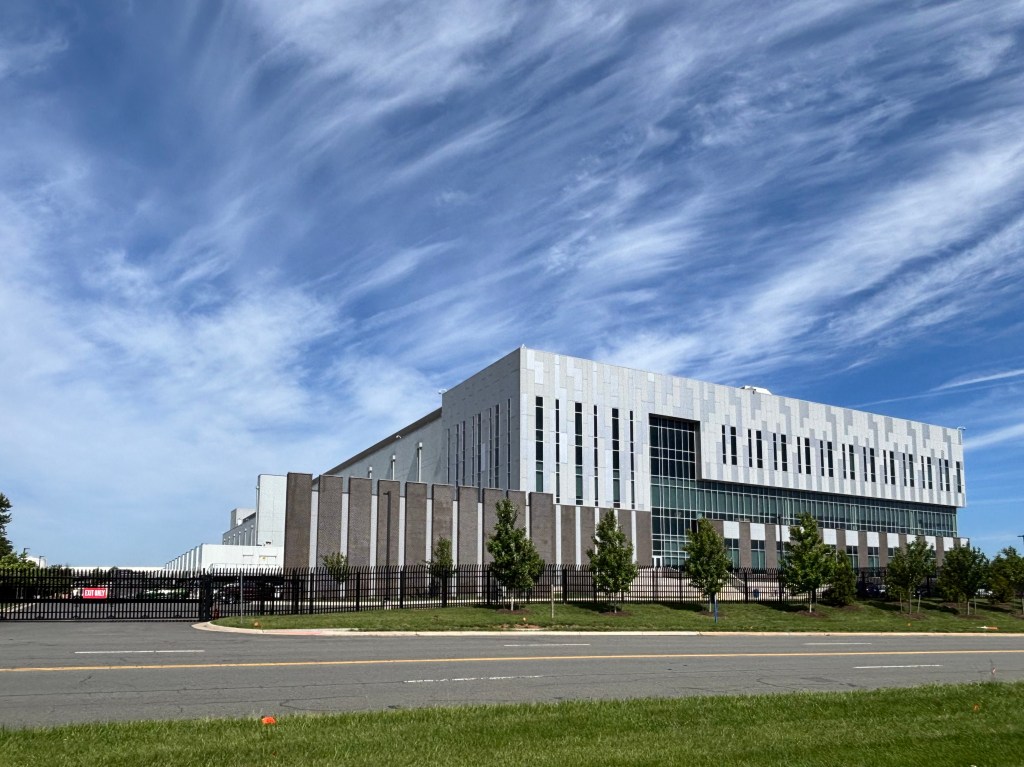
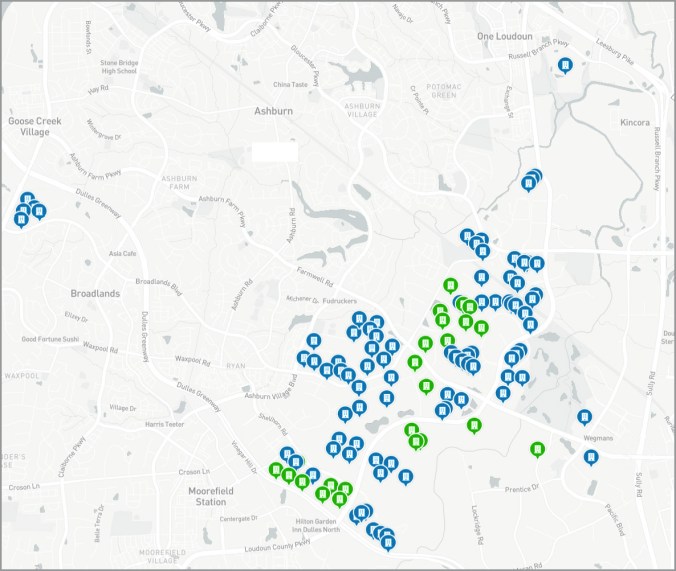
A bit more than five years ago, having just moved to and still getting to know our new community here in Ashburn, I wrote an article on my blog about data centers. You can read it here, Go Big. Big Brutalist Boxes, just crushing the once-rural landscape of the area and we’ve gradually come to accept their presence. Data centers seemed to be everywhere and yet—we couldn’t imagine what was to come. 

In my article I cited then-current stats indicating approximately 70 data centers in the Ashburn area with more on the horizon. Currently, Loudoun County handles more internet traffic than any other place on earth. And the number of under-construction and planned data centers seems hard to believe. I’ve put a map at the bottom of this article of the ones located here in Ashburn, along with a link to the data source. It’s quite…impressive. The Ashburn, Virginia area (the heart of “Data Center Alley”) now hosts between 133 and 199 operational data centers. The “Data Center Capital of the World,” routes an estimated 70% of the world’s daily internet traffic. 

But what happened to Ashburn in those five years? Well take a look.

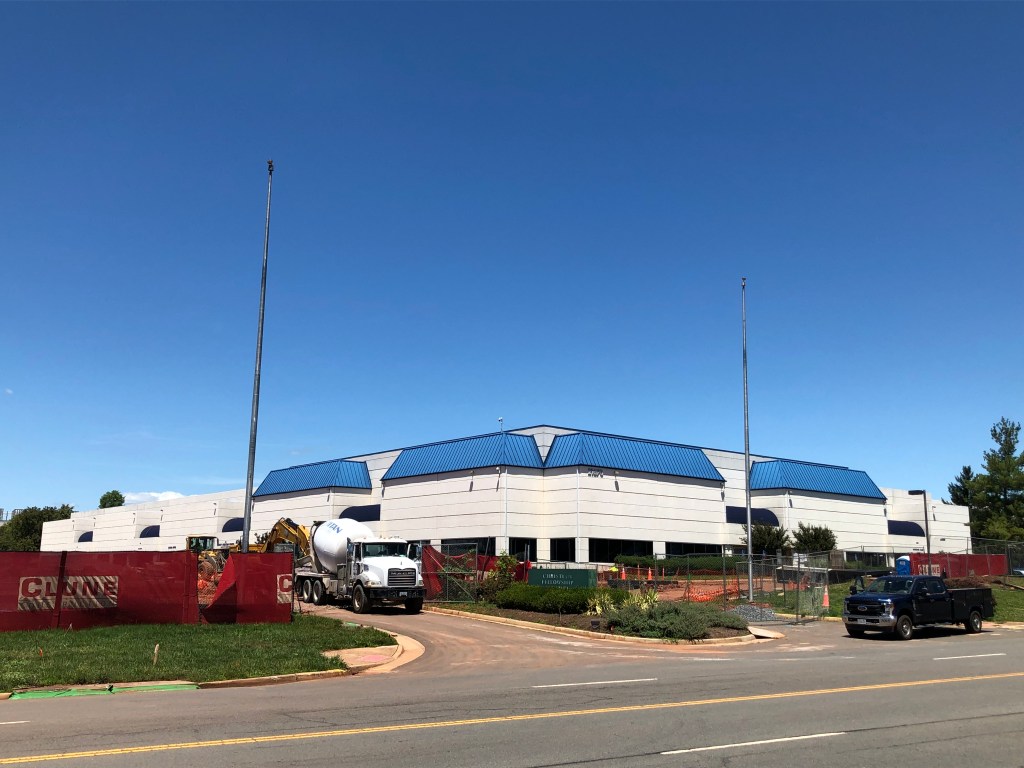
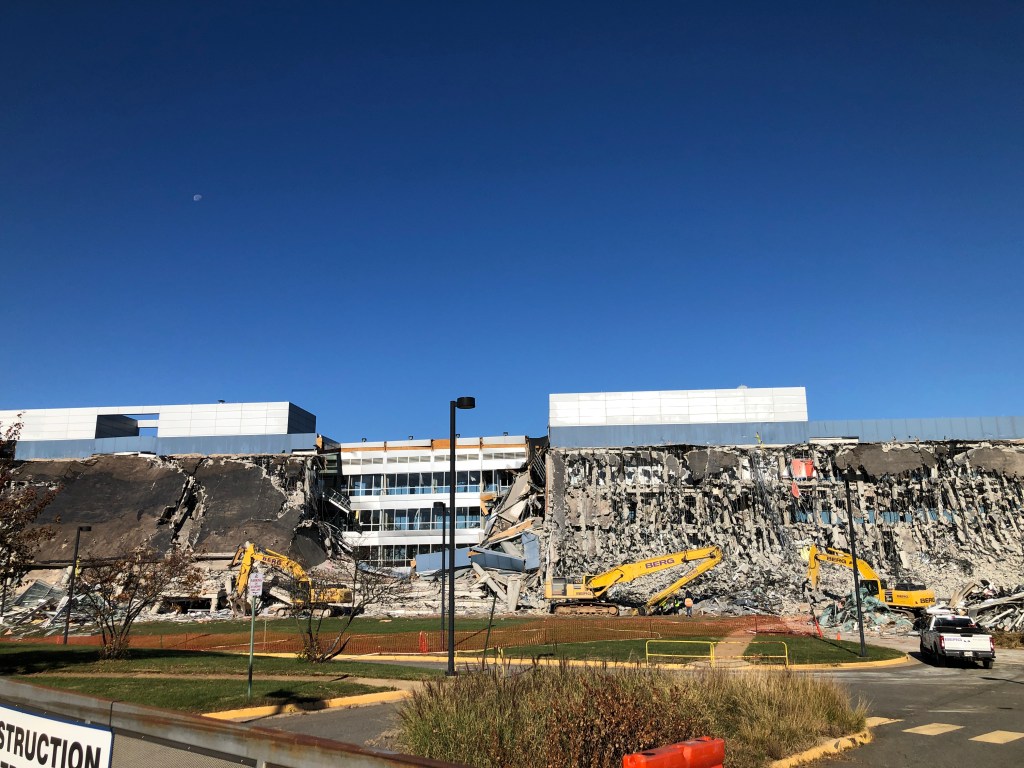
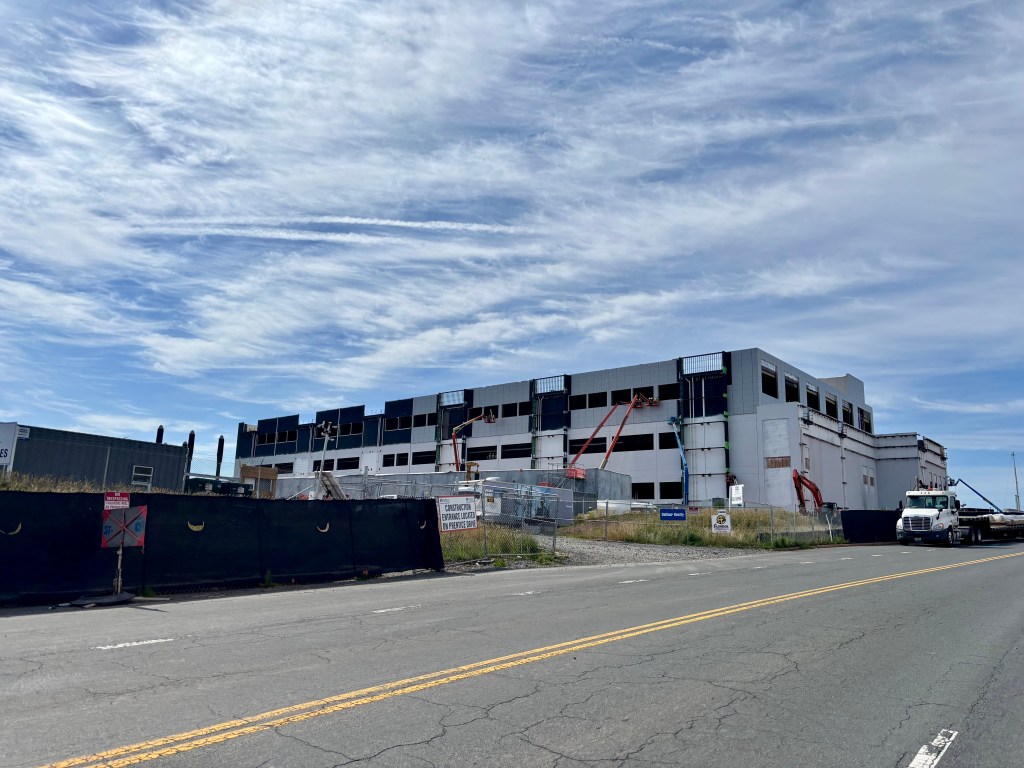
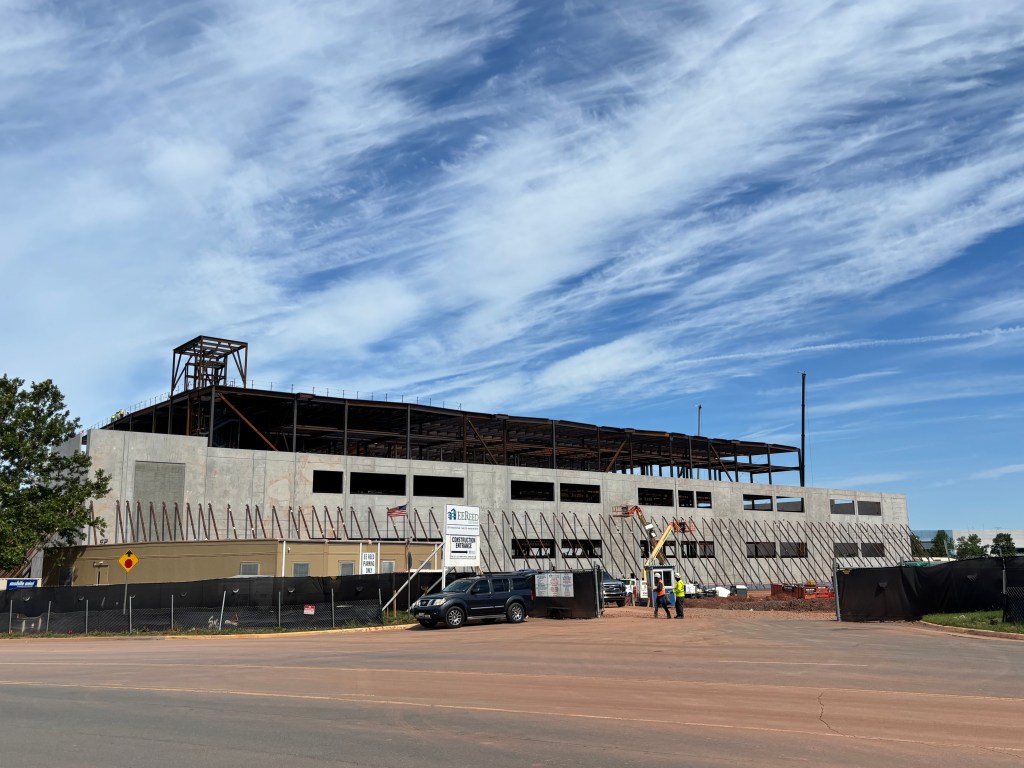
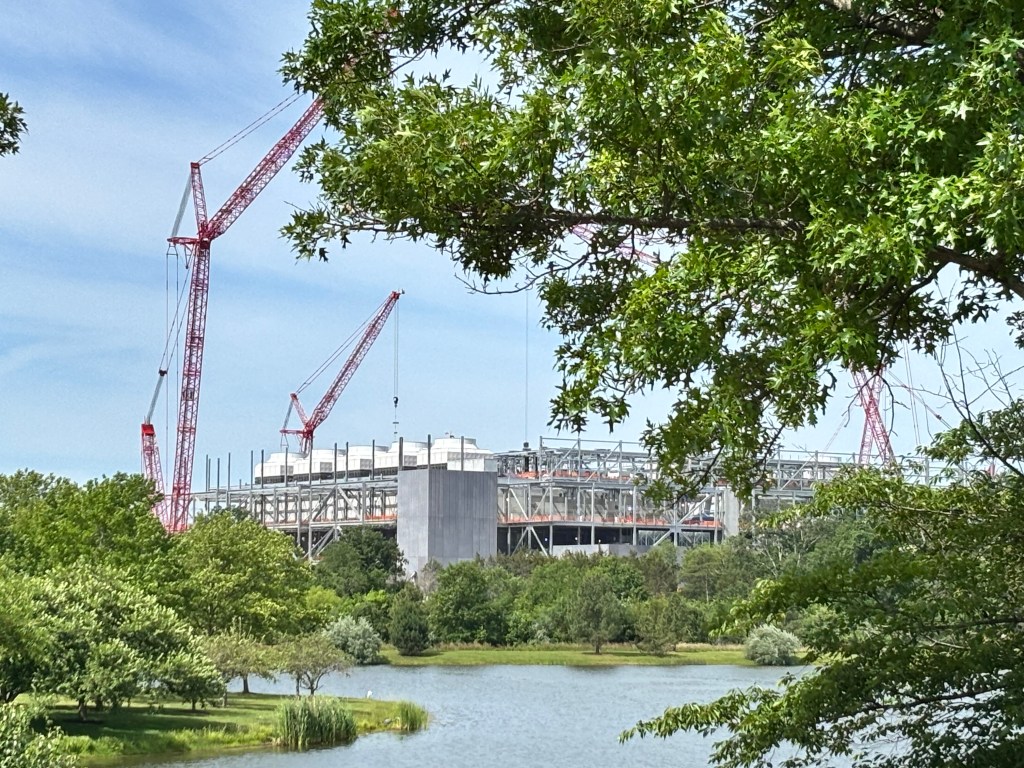
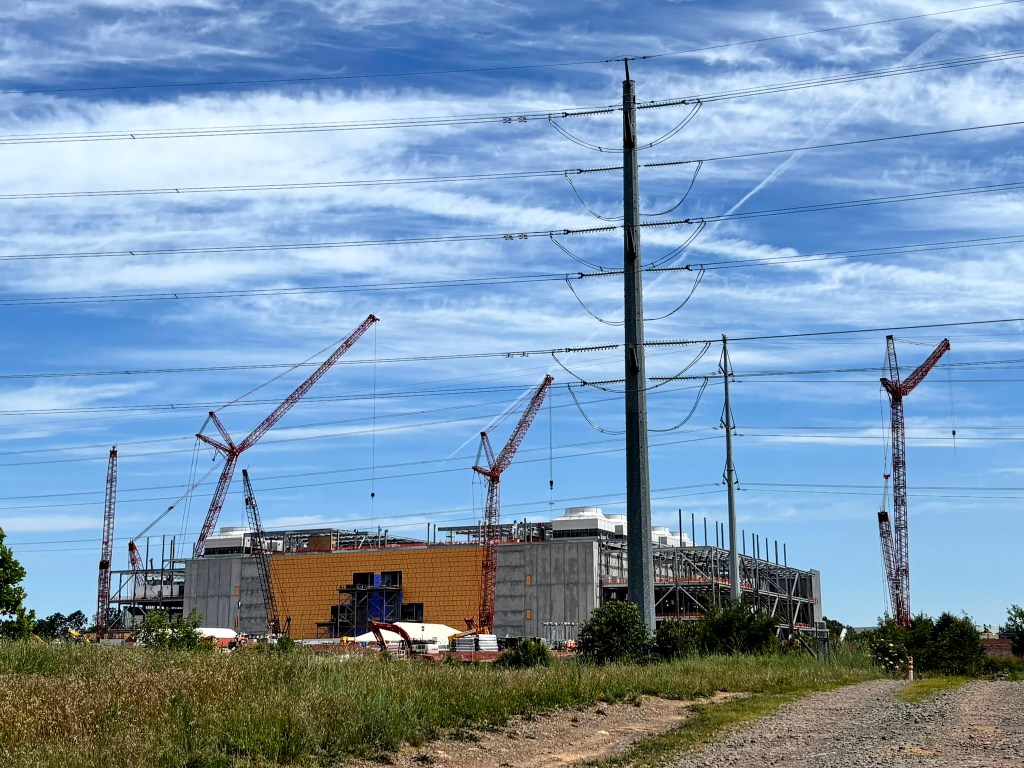
The building on the left is our church back in 2020. It was sold and the land later developed as a data center. At the time I thought it was large, but it is merely one of the new, even larger configurations going in here in Ashburn.

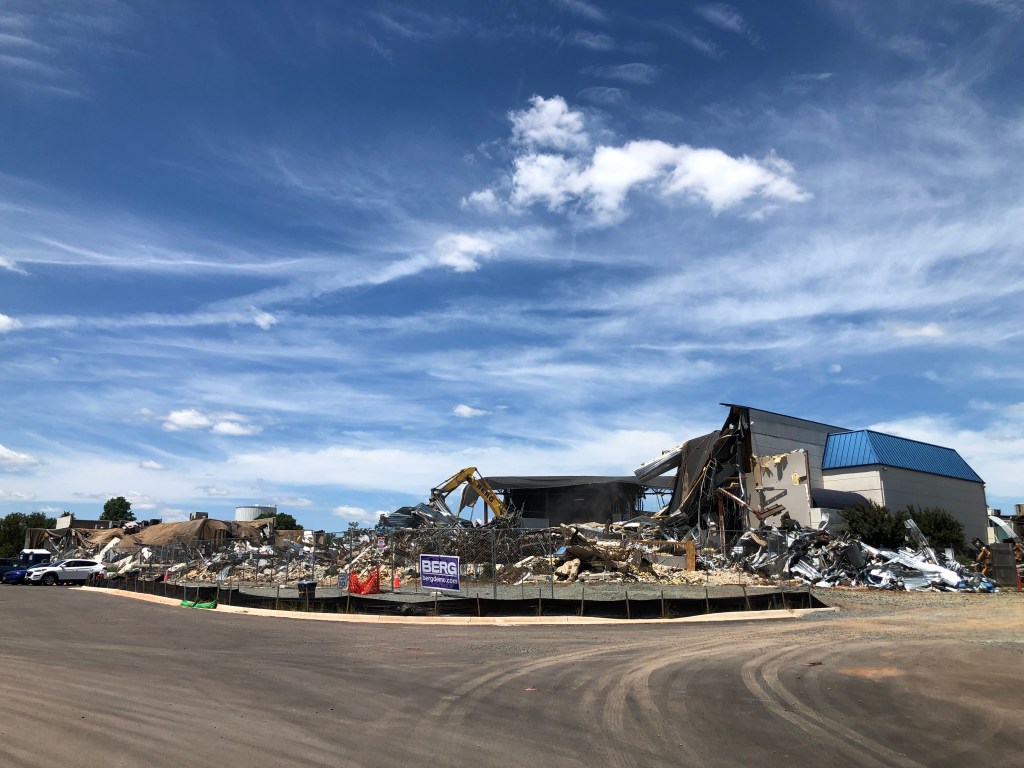
And in an almost funny cosmic twist of fate, call it irony, the AOL campus which seemingly introduced us all to the internet was itself sold, demolished, and is now undergoing it’s own transformation from managing internet traffic to, well, storing and managing the data of the internet.


There is growing sentiment in communities across the US to restrict or prohibit data centers from moving in, not accepting the current tax tradeoffs for the strain on electric grids and water resources that the centers produce. I’ve been discussing/arguing with friends online about where, exactly, we should be placing these behemoths. Their great need for resources, particularly water for cooling and electricity to run their operations, places some limits on where they can be feasibly located. My home state of Nevada seems like a great location. The Bureau of Land Management (under Department of the Interior) manages nearly 48 million acres of public land for multiple use in Nevada, which accounts for about 63 percent of the state’s land base. Surely they can host America’s growing number of centers? Not so fast! I’ve been told. And indeed, Reno City Council just voted on a 30-day moratorium as they wrestle with the concerns of citizens and the offers of developers. Across the US more than 60 local municipalities have enacted similar moratoriums. Good information can be found here at US Data Center Moratorium Tracker.

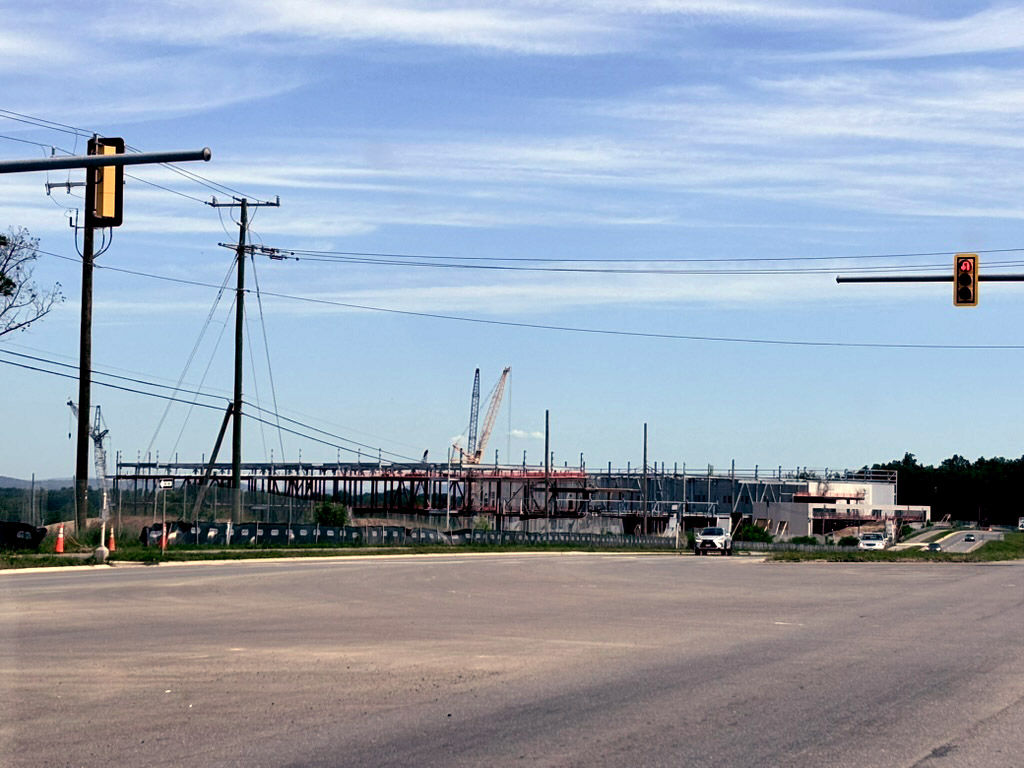
And it’s not just undeveloped land that beckons the centers: here in Ashburn a local neighborhood has been offered up to $4M an acre for their homes. MSN has an article on that proposal here, though no plans have been filed with the county as of yet. But this is what they would be looking at, several data centers I snapped this morning on my drive thru the area and along Belmont Ridge Road. It’s hard to believe there could be any undeveloped land left in our 20147 zip code but apparently there is.

My article back in 2020 has not aged well. I don’t think it’s as bad as day-old fish, but something does smell. Take a look at the map below to get an idea of what’s going on in our Ashburn neighborhoods. It’s something alright.

Screenshot of Data Centers in Ashburn (datacentermap.com)

A Garden Pond


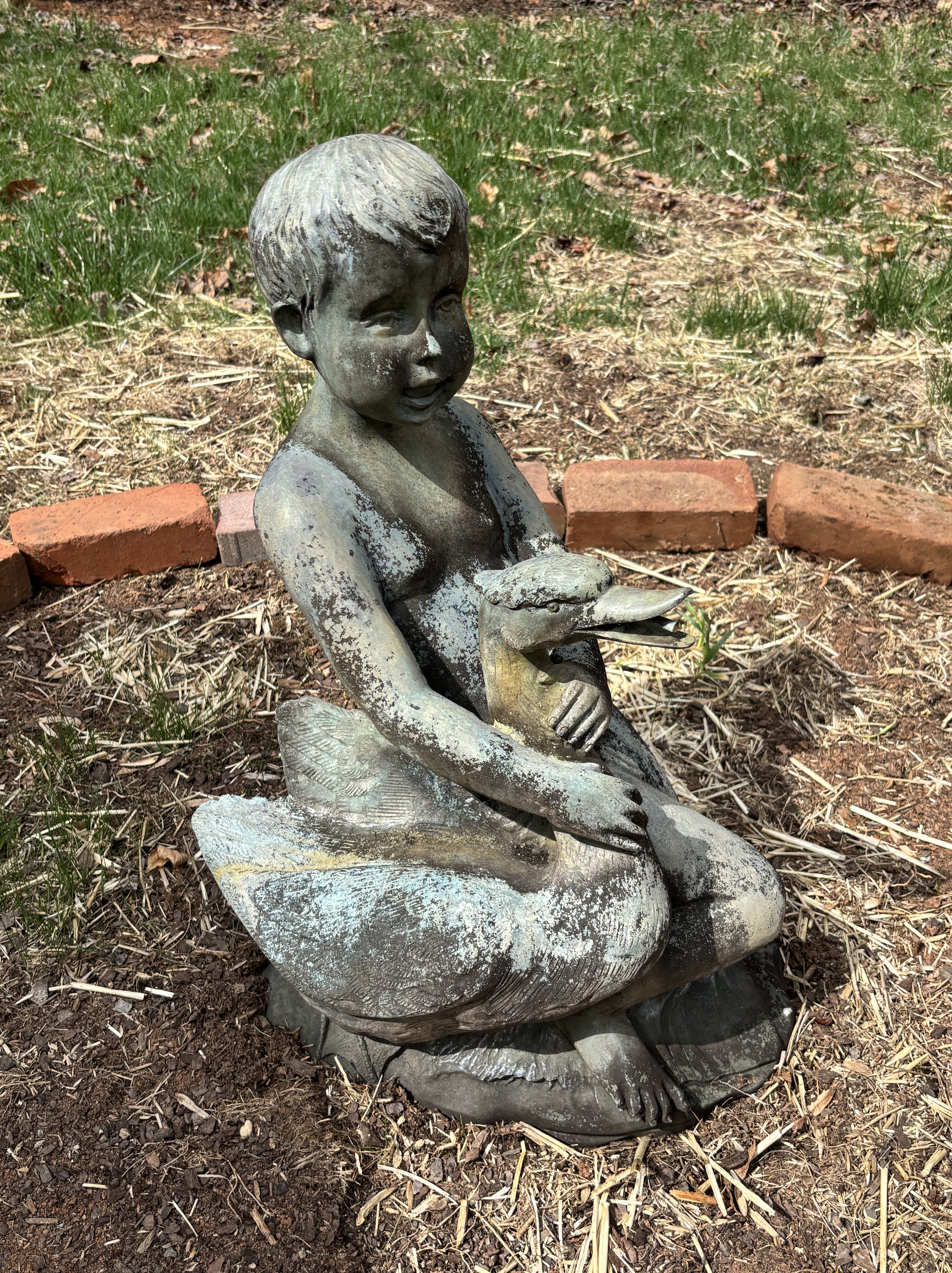
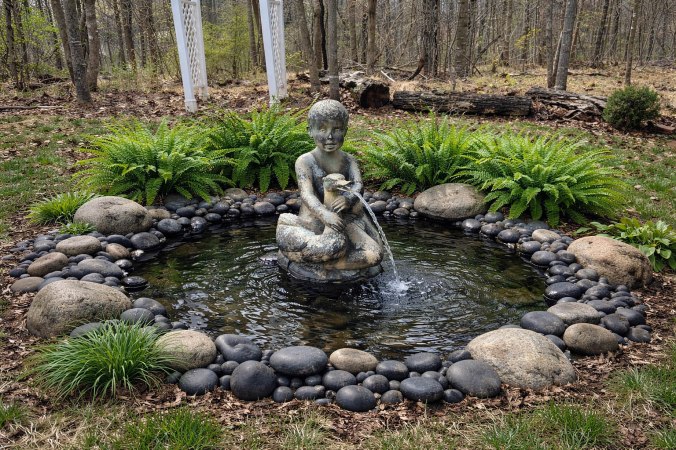
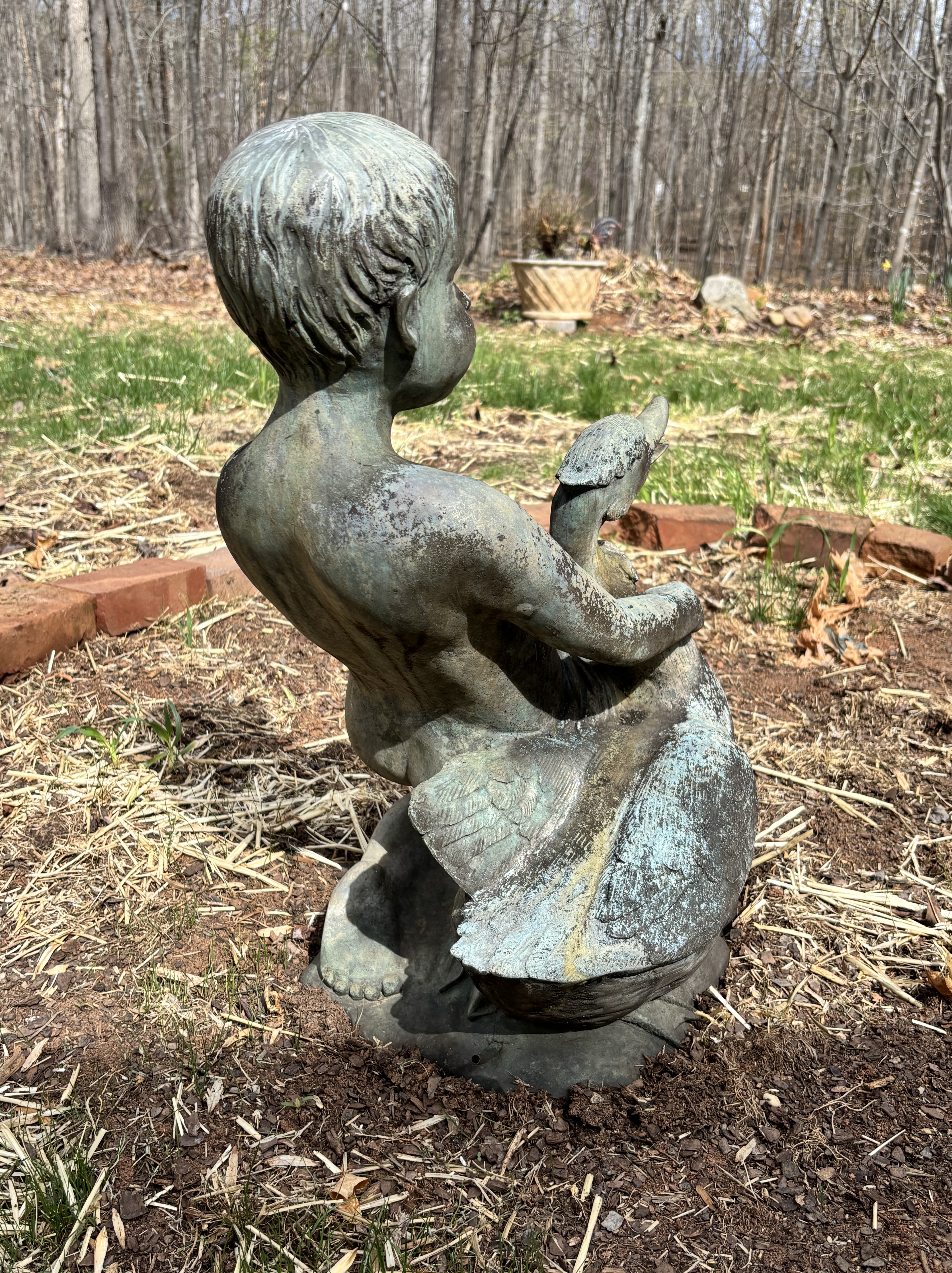
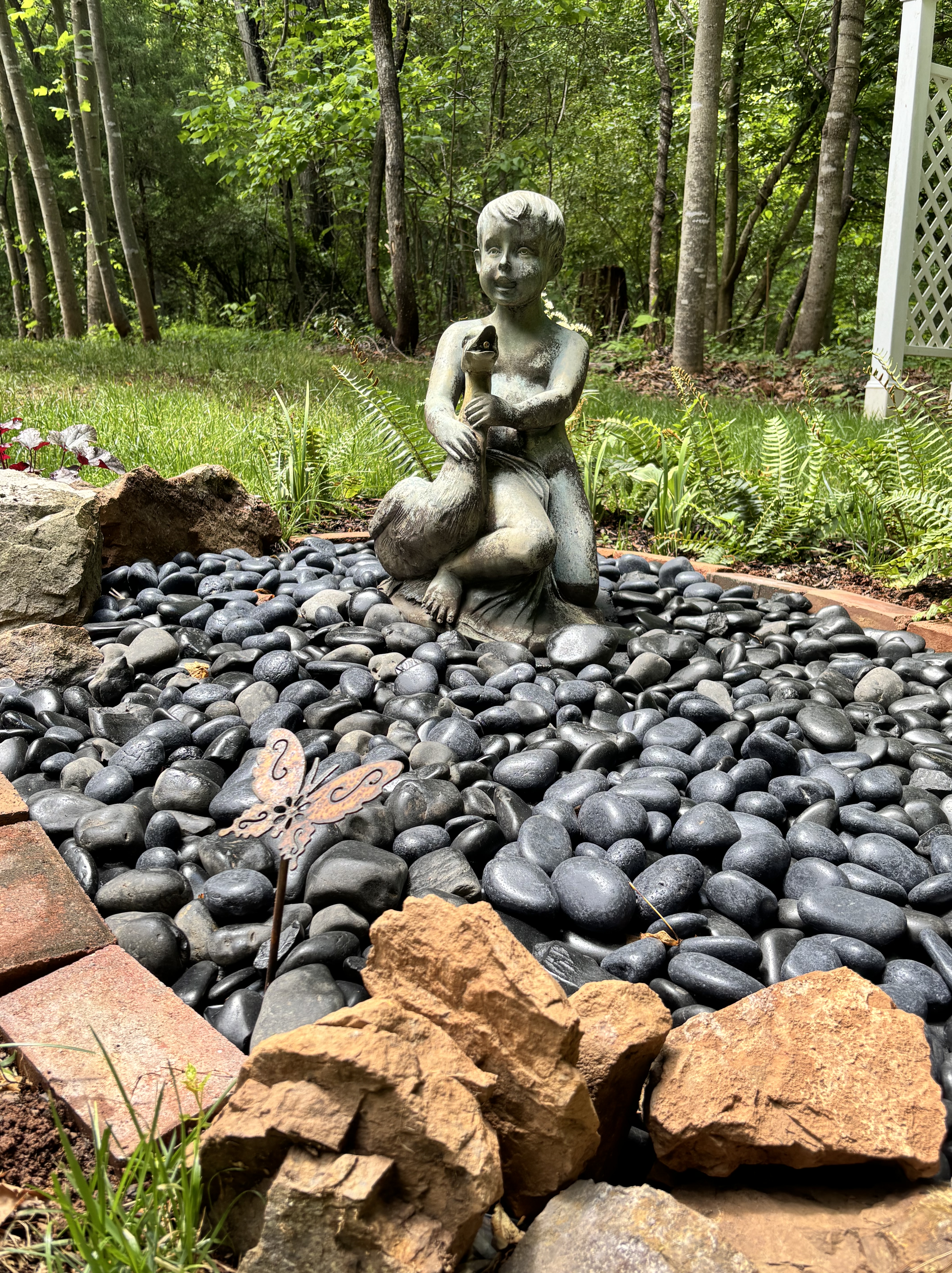
Boy with Goose Fountain

The original Boy and Goose sculpture is a 2nd-century CE Roman copy based on a Hellenistic Greek original (circa 2nd Century BCE) often attributed to Boethos of Chalcedon. It is a well-known motif depicting a seated boy with a goose or duck, with various versions housed in museums like the Louvre and Galleria Borghese. When this particular fountain sculpture came up for auction I knew it was going to fit in beautifully with the pond I envisioned for our backyard.

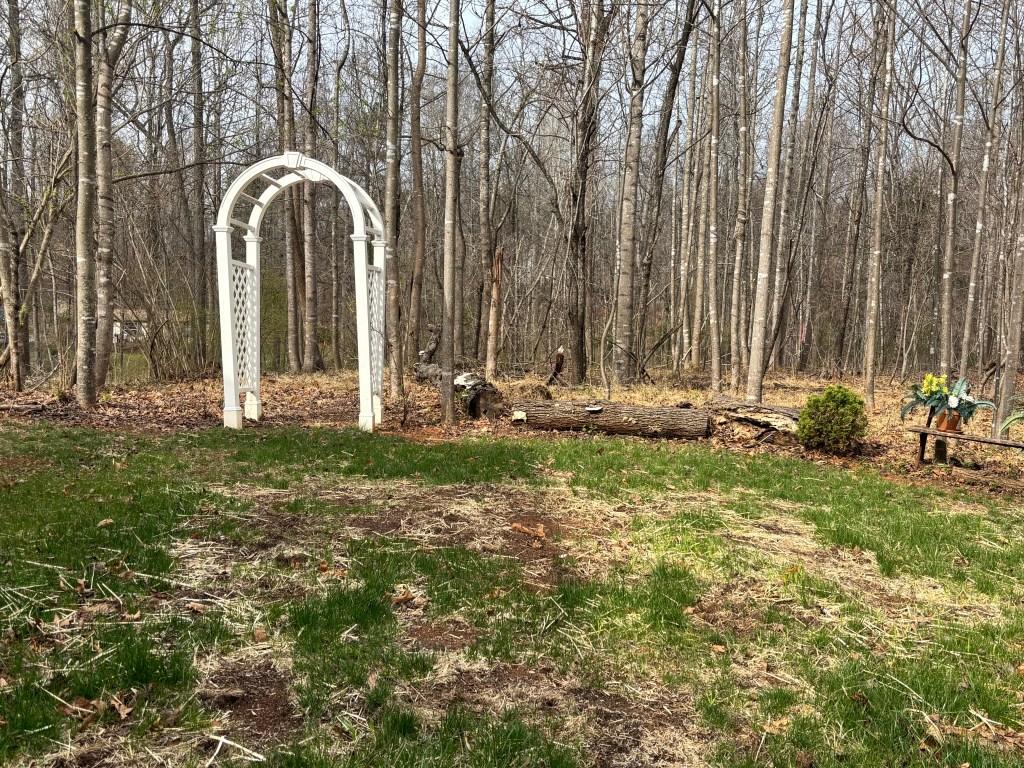
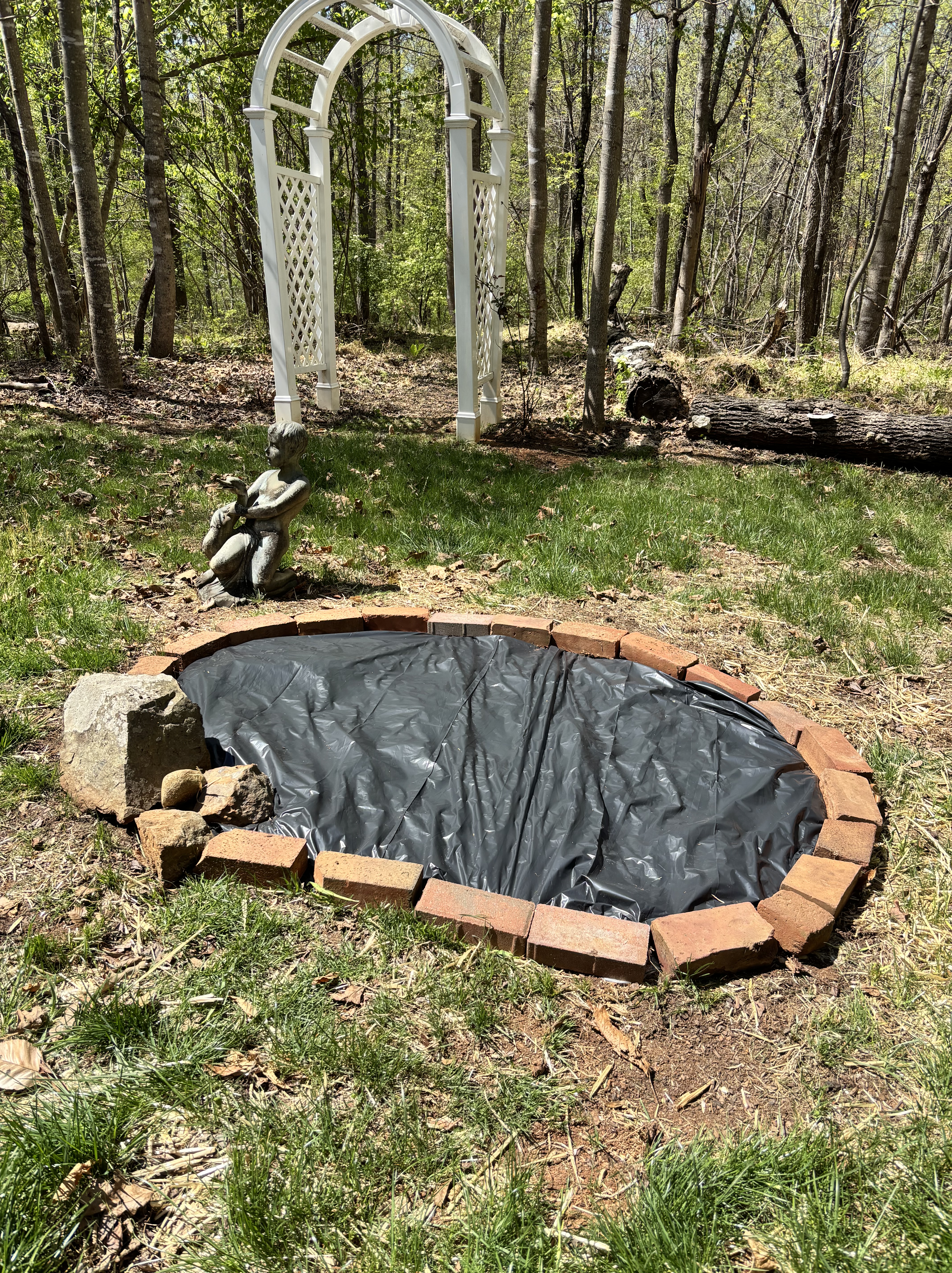
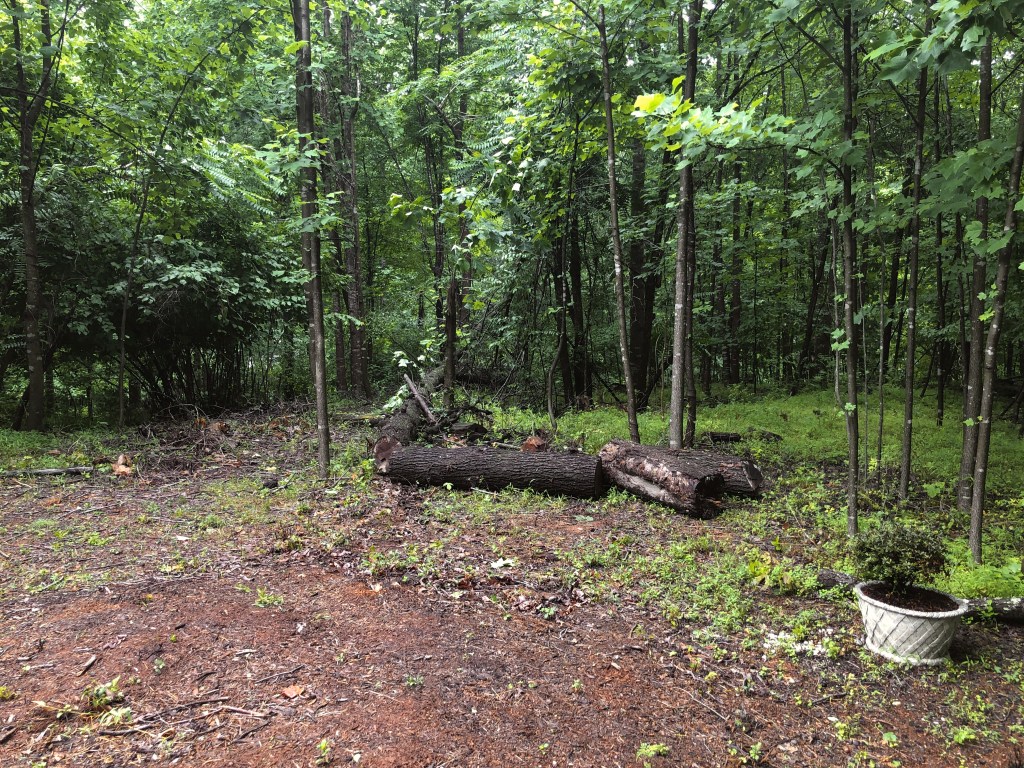
We have an area of the yard that can’t seem to grow grass: well, it can grow grass, it just has a hard time sustaining it. It could be grubs, it could be the poor condition of the soil, it could even be that it doesn’t really get enough hours of sunlight to grow a lush green carpet of grass. Whatever the reasons, I’ve become convinced that a rock garden or pond would look great in that area and certainly require less upkeep. When I’ve planted grass seed, the forces of nature are definitely working against me!
With the help of an online planner I decided to pivot from a field of grass to something smaller and more engaging. A wet or dry pond, each had certain advantages though different design requirements.

Here’s the full concept narrative:

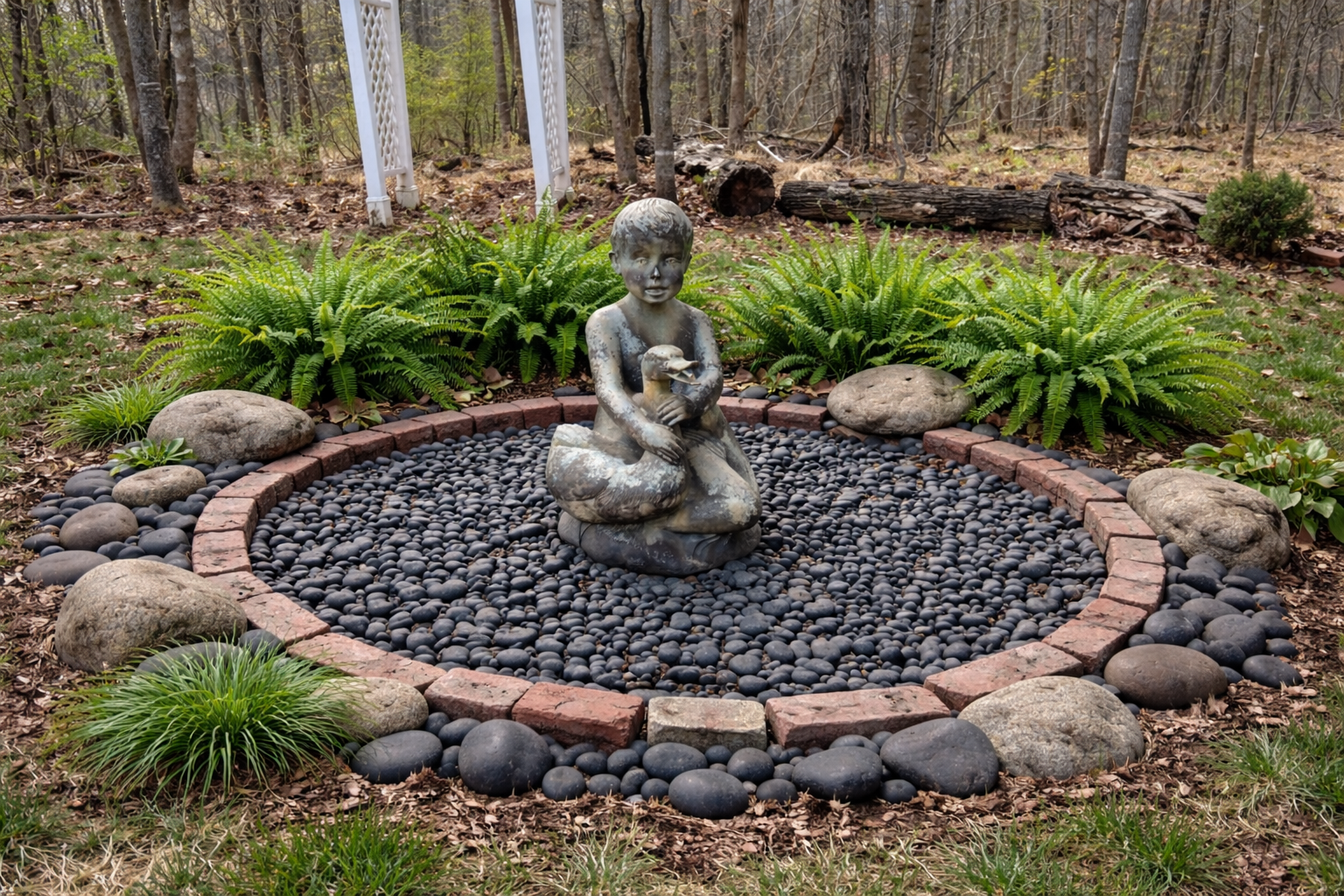
The idea — the island is read as a dry pond, roughly oval, about 2–3 metres across. The black river pebbles give it a still, reflective quality that plays beautifully against the weathered stone of your sculpture. The boy with the goose becomes the “source” — as if he’s sitting in the middle of a pond he’s claimed.

Sculpture placement — position the boy slightly north of centre so that when viewed from the house or a main seating area, he sits in the sweet spot of the composition. Raise him on a flat irregular stone or small concrete plinth so his base is just above the pebble line — this separates him from the ground and gives him presence.

The pebble bed — lay a weed-suppressing membrane first, then 5–8cm depth of black river pebbles. This depth keeps them from migrating and gives a solid, finished look. The contrast between the dark pebbles and the greenery around the edge is what makes the “pond” illusion work.

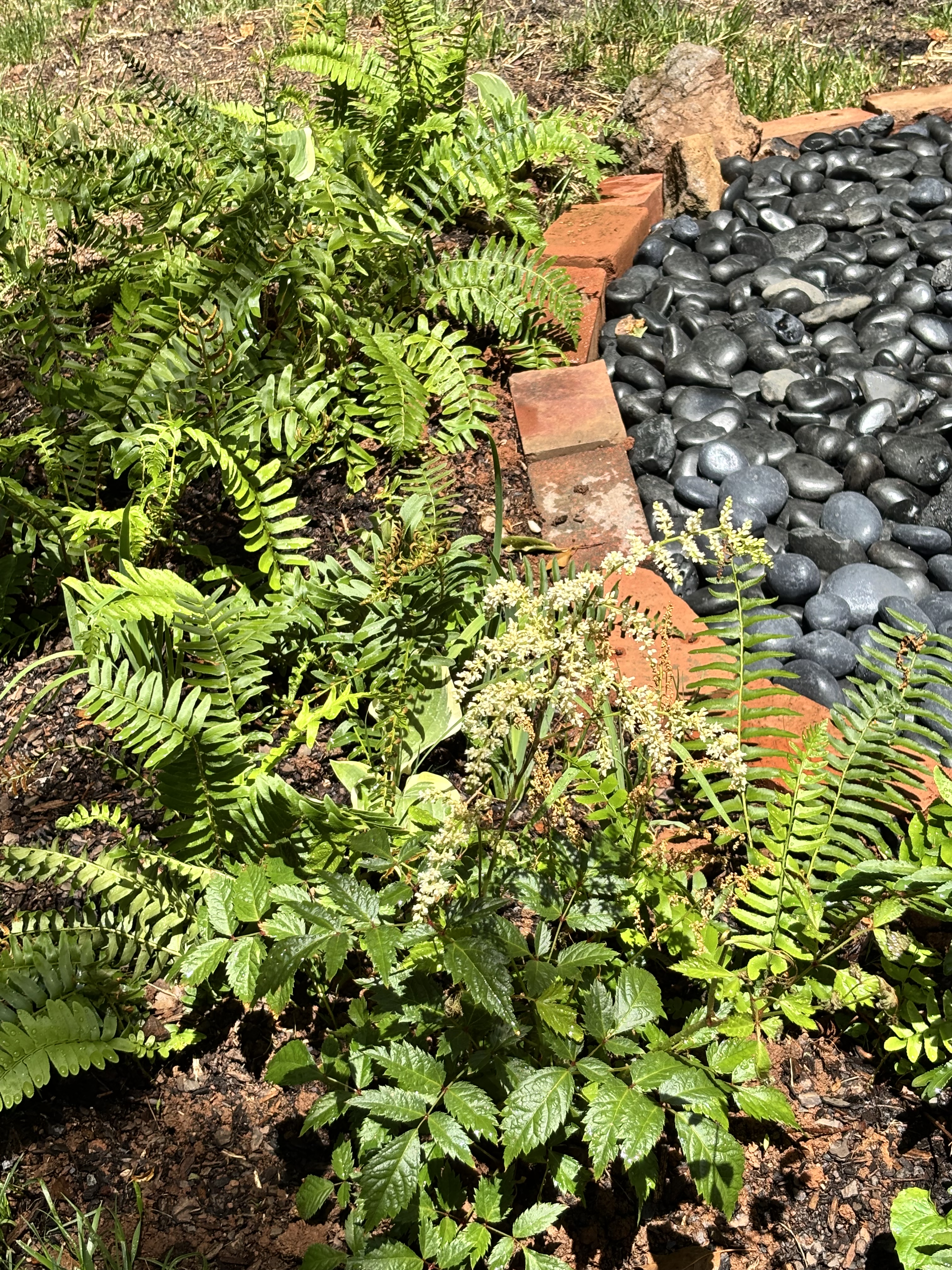
Ferns around the edge — use soft, arching varieties like Dryopteris erythrosora (with its warm coppery new fronds) or Polystichum setiferum for a lacy look. Plant them so they droop slightly over the pebble edge, softening the boundary between “water” and “land.”

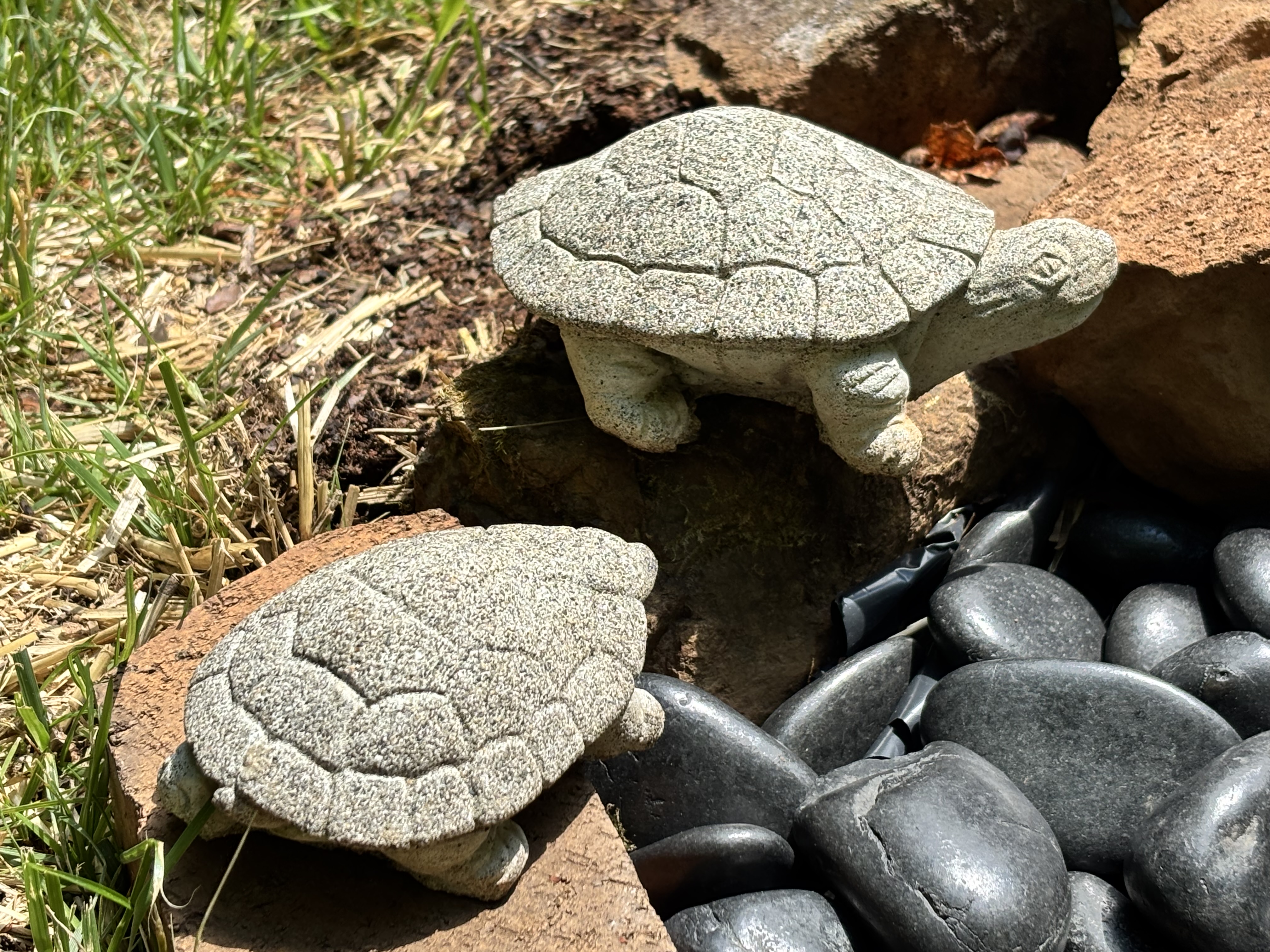
A finishing touch — consider one or two rounded mossy stones tucked among the ferns at the edge. At that point the whole garden reads less like a planted bed and more like a scene discovered in nature — exactly the mood your sculpture deserves.

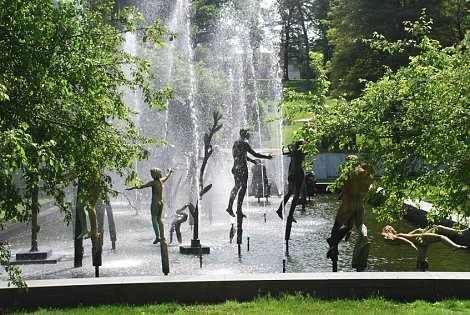
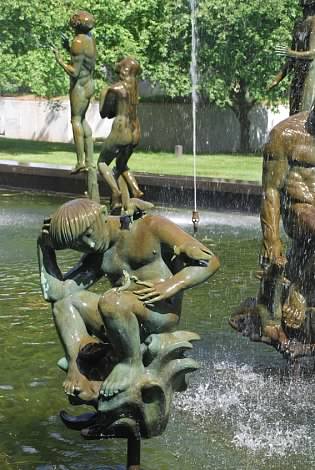
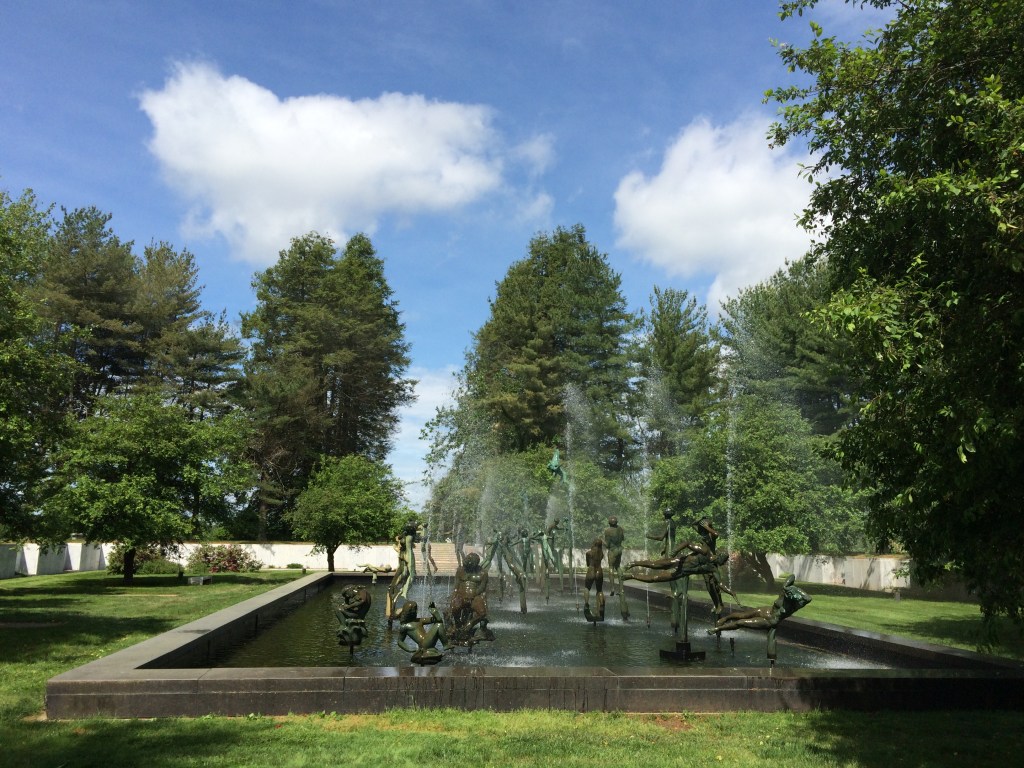
I might add that the garden water feature I had in mind is one that I had seen at the National Memorial Park in Fairfax VA. The Fountain of Faith, sited in the National Memorial Park in Fairfax VA was created by Swedish sculptor Carl Milles and dedicated in 1952 after having taken 12 years to complete. The fountain sits in a large courtyard and consists of 37 figures. The figure of a young boy with a bird on his shoulder and arm was especially moving for our family and we used the image in a poster at the memorial service of our nephew who is buried there. The sculptor was a prolific artist and taught at Cranbrook Academy of Art for twenty years here in the States, 1931-1951. You can read more about him and his art here.

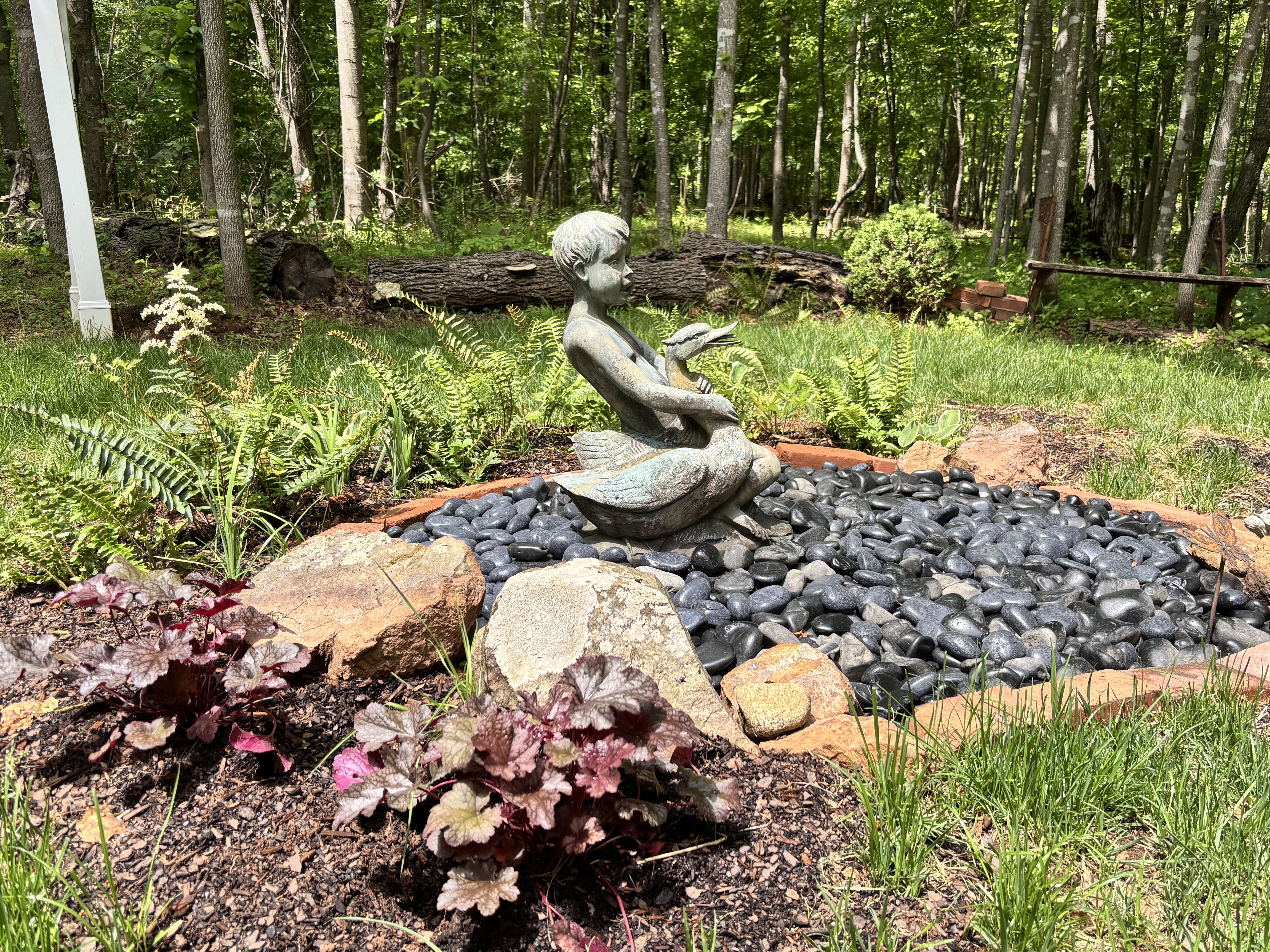
We’ve been working on our pond for the past several weekends. With a plan in mind, I’ve tried to source most of the accent pieces from our property. The border of the pond was created from odd-sized bricks we’ve found lying throughout the woods, discarded from the remnants of a brick pathway and possibly a patio in the former owner’s backyard. The rocks and ferns are from the woods that surround us. The initial design was created through AI; a version of a wet pond was gorgeous but truthfully would have required too much effort to create and maintain, hence the river-rocks version.

Hopefully the garden pond will help to create an area of quiet respite, maybe we’ll add a bench or seating area close by for reflection and comtemplation.

The finished pond looks very much like the AI-generated concept. Our plants have some growing to do before they start to fill in, but the ferns, astilbe, huchera, and Siberian irises that I’ve planted are really starting to look good. And there is less grass to mow! I love it.
Where the Apple Falls

I have always loved art. Art with a capital A, though I’ve generally favored painting over drawing or sculpture. Loved art and loved making art.
One of my earliest memories is of attending an outdoor art show and offering my unsolicited — and at that point hardly well-trained — critique of a painting. The artist took it in good humor, though having stood in that same spot years later, I can say it must have been a little unsettling. Everyone has opinions about Art, of course. But a youngster critiquing technique? That’s a different story.

In junior high school I was given the opportunity to practice what I had been preaching. I loved helping paint the backdrop flats for our school musicals — one each year from 7th through 9th grade: Ali Baba and the Forty Thieves, The Pirates of Penzance, were two that I remember having worked on.

Through high school and college I continued to paint, though I stayed away from the theater department. Perhaps I assumed large-format work would never be my strength, or that there couldn’t possibly be a future in scenic design. My loss.

Rehearsal on stage at Immanuel Bible Church (2008)

Then, in my late 40s, I picked it all up again when I volunteered to help with the sets for our church’s annual Easter pageant productions. These were full-scale presentations: scenery, actors, singing and dancing, orchestra, theatrical lighting — the works. With nine or more performances each spring, they aspired to a high level of theater quality using all volunteers. At the time, much like that young art critic years before, I thought they could probably use a little help with the painting. And so I volunteered, first as a background painter working on rocks, and later as scenic designer with a team of volunteers helping to bring to life the 1st century world of Jerusalem. 

Cleaning the stage before rehearsal

One of the great blessings of living where we do is easy access to world-class theater. We’ve taken the kids to see Wicked, Mary Poppins, The Lion King, and other productions at the John F. Kennedy Center for the Performing Arts. And of course, a train trip to New York City for a weekend Broadway show was something we could never resist.

This year my oldest granddaughter graduates from high school, and in the fall she’ll attend a local university majoring in theater set design. I couldn’t be more proud of all she has accomplished — from the ten productions she participated in during her school years to the way she has branched into hair and makeup, costume design, props, and stage management while also earning a certification in cosmetology, a skill I’m certain will serve her well wherever life leads.

On the set of Macbeth (Freedom High School Theater)

It’s far too early to know the trajectory of her career, or even whether she’ll remain in the theater world long term. But as the coming tsunami of AI reshapes so much of the workplace, careers rooted in craftsmanship, creativity, and personal expression may prove more enduring than many expect.

What a blessing. Congratulations, young lady. Keep shining and paint your world.